

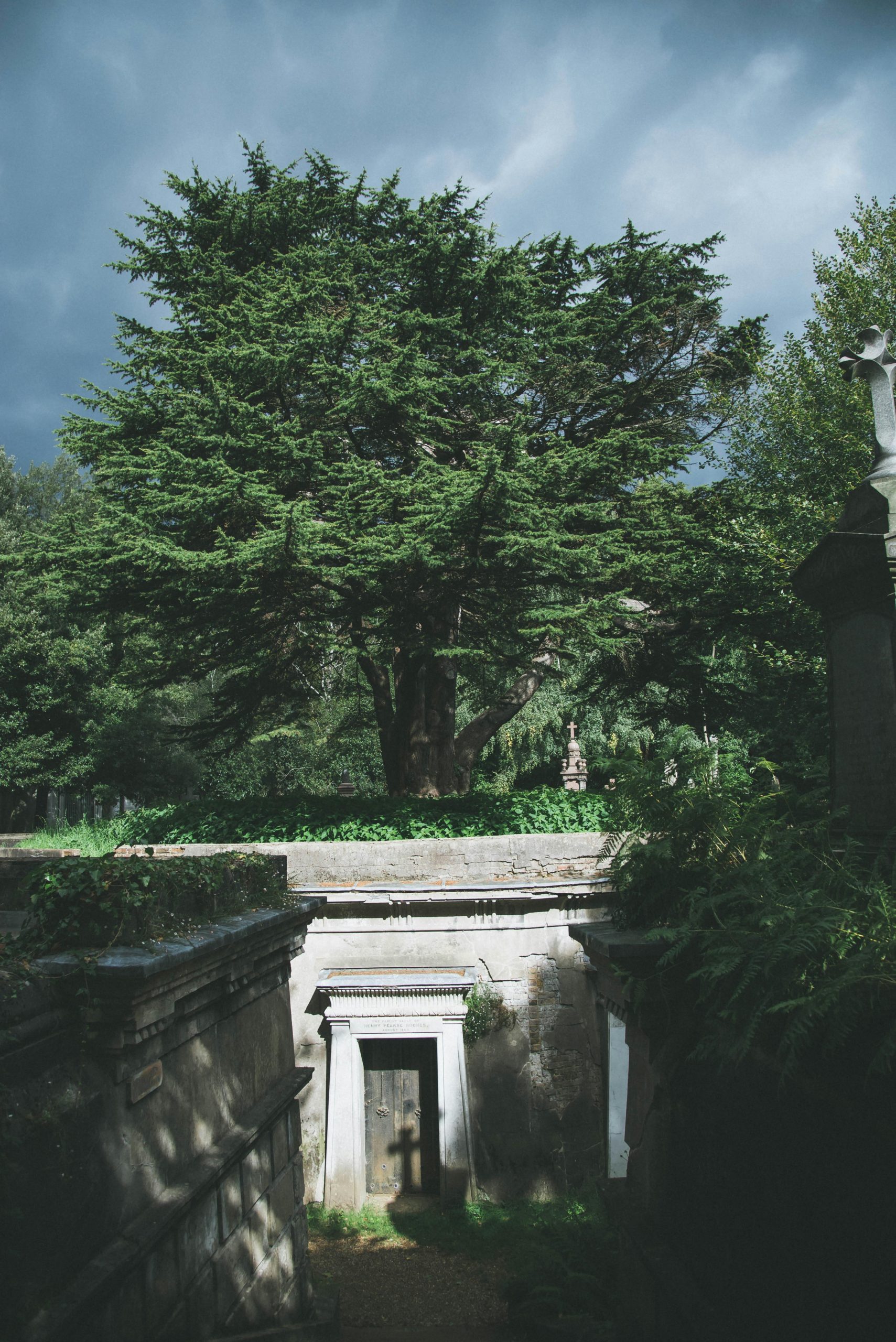
Discovering Highgate Cemetery: A Unique Encounter with Local Foxes
Highgate Cemetery, one of London’s most iconic burial grounds, is not only renowned for its stunning Victorian architecture and rich history but also for its fascinating wildlife. During a recent visit in April, I had the pleasure of encountering three foxes leisurely roaming the grounds, seemingly unfazed by the presence of visitors.
This unexpected sighting added a delightful twist to the tranquil atmosphere of the cemetery. The foxes, known for their adaptability in urban environments, blended seamlessly into the picturesque surroundings, reminding us of the harmonious coexistence of nature and history.
As I strolled along the winding paths lined with intricate tombstones and lush greenery, these curious creatures roamed nearby, providing a charming spectacle for all who were fortunate enough to witness it. Their presence serves as a reminder of the vibrant ecosystems that thrive even in the most unexpected places.
For those planning a visit, keep your eyes peeled; you may just be rewarded with an encounter with Highgate Cemetery’s charming inhabitants. Whether you’re drawn to its historical significance, architectural beauty, or the allure of its wildlife, Highgate Cemetery offers a unique experience that captivates visitors time and again.
London’s Urban Wildlife: A Hidden Gem at Highgate Cemetery
As a fellow Highgate resident, I truly appreciate this insightful post about the foxes in the cemetery. It’s a fantastic reminder of how London’s green spaces and historical sites serve as vital refuges for urban wildlife. These foxes are emblematic of our city’s ability to support diverse ecosystems amidst the hustle and bustle.
For those interested in observing local wildlife, here are a few tips to enhance your experience:
Highgate Cemetery’s embrace of both history and nature offers a unique perspective on coexistence right in the heart of London. It’s wonderful to see such vibrant wildlife thriving in these historic grounds. I hope more residents and visitors alike take the time to appreciate the natural side of our city’s heritage.
As a London resident with a deep appreciation for our city’s hidden natural gems, I found this post about Highgate Cemetery and its foxes particularly enlightening. It’s wonderful to see these creatures thriving amidst such historic surroundings, highlighting the remarkable urban adaptability of foxes here in London.
Indeed, our city is full of surprises where wildlife and history intersect seamlessly. Highgate Cemetery is a perfect example of how nature persists and even flourishes in unexpected locations, enriching our cultural landscapes. Many residents might not realize that places like Highgate serve as vital urban habitats, supporting species that have become emblematic of London’s ecological resilience.
It’s a reminder for all of us to appreciate and protect London’s ecological diversity, even in the most historic and seemingly unlikely places. Highgate’s foxes are a delightful symbol of London’s resilient and living ecosystem.