

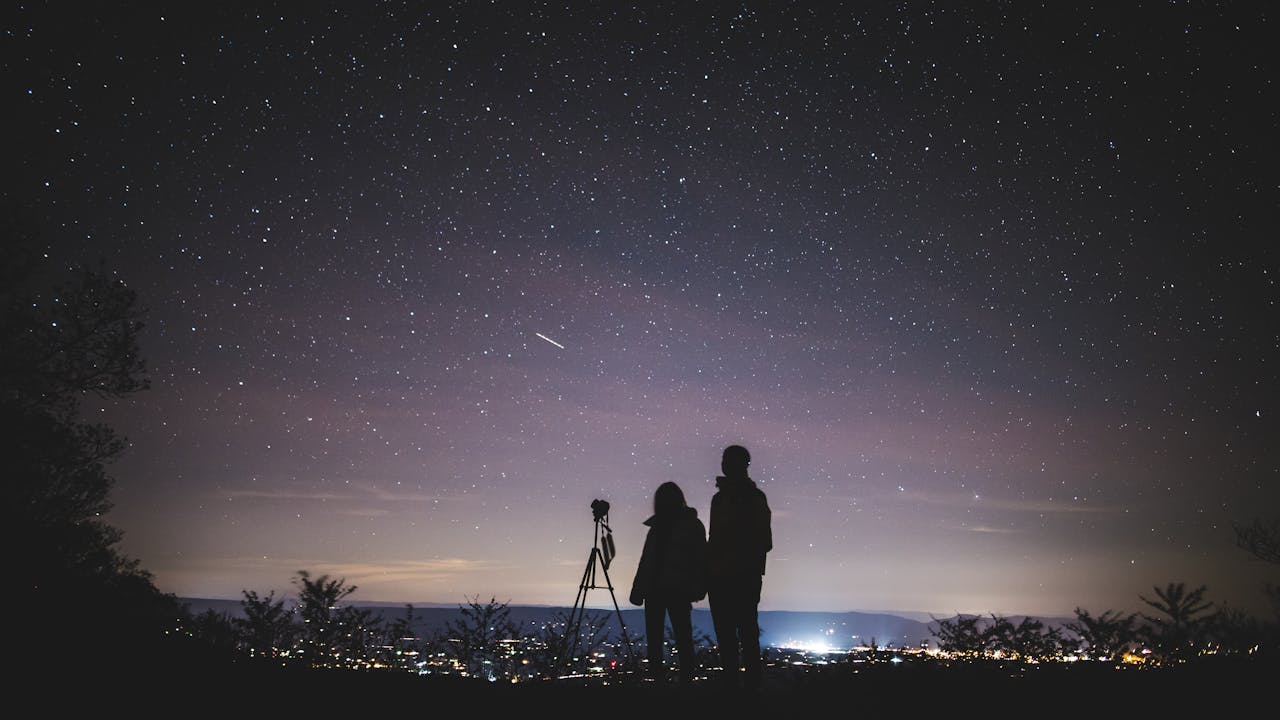
Discovering the Best Stargazing Spots in and Around London
Are you an aspiring astronomer eager to explore the cosmos? If you’re based in South East London and possess a car, you’re in luck! With the right telescope — like a tabletop Dobsonian — there are numerous fantastic locations where you can immerse yourself in stargazing. Stargazing in and around London requires a bit of strategy: inside the city, you are looking for elevation and shielded spots to block streetlights. Just outside the city, you can find officially designated Dark Sky Reserves.
Here are the best spots categorized by how far you want to travel.
1. Best Spots Within London (Zone 1-6)
Best for: Casual viewing, social atmosphere, and avoiding a long trip.
| Location | Why it’s great | Best Viewing Spot |
|---|---|---|
| Hampstead Heath (NW3) | One of the highest points in London. The Hampstead Scientific Society actually operates an observatory here (near the Whitestone Pond) with a 6-inch refractor telescope. | Parliament Hill: Excellent elevation. While the view of the city is bright, looking up from here puts you above the worst of the street-level haze. |
| Regent’s Park (NW1) | Surprisingly good for central London due to the lack of streetlights in the center of the park. Home to the Baker Street Irregular Astronomers, who host free public star parties. | The Hub: Located in the center of the park. The trees block the surrounding streetlights, creating a “dark pool” effect. |
| Morden Hall Park (SM4) | A National Trust site in South London that is known for being darker than its surroundings. | The Wetlands: The boardwalks here are far from the main road lights, offering decent views of the moon and major planets. |
| Ruislip Lido (HA4) | Located in West London on the edge of the Colne Valley. It is shielded by woods and the reservoir, making it one of the darker spots inside the M25. | The Beach Area: Facing the water (away from the visitor center lights) provides a surprisingly dark southern horizon. |
| Blackheath (SE3) | High elevation and very open. It suffers from light pollution from Canary Wharf, but the wide horizon makes it great for spotting moonrises or passing satellites. | The Common: Stay away from the main roads; the center of the heath is popular with local amateur astronomers. |
2. Best Dark Sky Spots Near London (Day Trip / Weekend)
Best for: Seeing the Milky Way, meteor showers, and deep-sky objects.
If you can travel 60-90 minutes, you can reach International Dark Sky Reserves.
The South Downs National Park (Sussex)
Status: International Dark Sky Reserve This is your best bet for true darkness near London.
- Devil’s Dyke: High elevation and incredible views.
- Getting there without a car: Take the train to Brighton, then catch the #77 “Breeze” bus which takes you directly to the top of the Dyke. It runs weekends year-round and daily in summer.
- Bignor Hill: Remote and extremely dark (Milky Way visible on clear nights).
- Note: Hard to reach without a car.
- Birling Gap: A coastal spot near the Seven Sisters cliffs. Great for shooting star photography over the ocean.
Cranborne Chase (Dorset/Wiltshire)
Status: International Dark Sky Reserve A bit further out (approx. 2 hours), but it offers some of the darkest skies in central southern England.
- Win Green: The highest point in the area.
- Getting there: Train to Tisbury or Salisbury, but you will likely need a taxi or car to reach the deep dark sky spots.
Toys Hill (Kent)
Status: Dark Sky Discovery Site Located near Sevenoaks. It sits on top of the Greensand Ridge and is designated as a “Dark Sky Discovery Site” because visibility is clear enough to see the Orion Nebula.
- Getting there: Approx. 45 mins drive from South London.
3. Stargazing Calendar & Tips
- When to go:
- The “New Moon” Phase: This is crucial. Even a great spot is ruined by a full moon. Check a lunar calendar before you go.
- Winter (Nov-Feb): The sky gets dark much earlier (around 5:00 PM), meaning you can stargaze and still be home for dinner. The air is also often crisper and clearer.
- What to bring:
- Red Light Torch: White light (like your phone flashlight) ruins your night vision for 20 minutes. Use a red bike light or an app that turns your screen red.
- Binoculars: You don’t need a telescope. A simple pair of 10×50 binoculars will reveal craters on the moon and Jupiter’s moons.
- Apps to download:
- Stellarium: Point your phone at the sky to identify stars/planets.
- Clear Outside: A weather app specifically for astronomers that tells you when cloud cover will clear.
Events to Watch For
- Baker Street Irregular Astronomers: Check their Facebook page; they often host free impromptu meetups in Regent’s Park when the sky is clear.
- Hampstead Scientific Society: The observatory at Hampstead is often open to the public on Friday and Saturday evenings during the winter months (weather permitting).
Perfect Stargazing Locations within London
Whether you’re a newbie or an enthusiastic hobbyist, finding the optimal spots for viewing the night sky is important. Here are some recommendations to get you started on your celestial adventure:
Blackheath Common
Located in South East London, Blackheath Common offers a spacious area away from the bright city lights. Its expansive views are perfect for setting up your telescope and enjoying the starry skies.Richmond Park
This royal park is a little further out and provides an excellent vantage point. With its rolling hills and minimal light pollution, it’s one of the best places near London for stargazing.Hampstead Heath
Another wonderful option within the city, Hampstead Heath features some elevated areas that allow you to escape the hustle and bustle of urban life. The higher vantage points improve visibility of celestial bodies.Epping Forest
A short drive from London, Epping Forest combines natural beauty and dark skies. This ancient woodland is relatively free from light pollution, making it a stellar choice for those looking to observe the night sky.Lee Valley Regional Park
This expansive park can provide various locations for stargazing. Explore the quieter areas to experience a tranquil atmosphere while you marvel at the stars.
Tips for Stargazing
Timing is Everything: For optimal visibility, aim for nights when the moon is less bright, like during the new moon phase. This enhances your chances of spotting faint constellations.
Know Your Stars: Familiarizing yourself with major constellations and celestial events can drastically enhance your experience. Consider using stargazing apps to help identify stars, planets, and other astronomical phenomena.
Plan Ahead: Check the weather forecast before your stargazing trip. Clear skies are essential for a great night under the stars.
Join Local Groups: Engaging with local astronomy clubs can provide you with invaluable insights and access to private stargazing events or workshops.
Whether you are observing the moon craters or exploring distant galaxies, the night sky holds endless wonders.
Fantastic Guide for London Stargazing Enthusiasts!
As a fellow London resident passionate about astronomy, I really appreciate these well-thought-out suggestions. One additional spot worth mentioning is The View Tube at Queen Elizabeth Olympic Park. While it’s closer to central London, its elevated position and relatively darker surroundings during certain evenings can offer decent views, especially when combined with local stargazing groups.
For those willing to travel slightly further out, I recommend also checking out Wells-Next-the-Sea if you’re up for a day trip. Its coastal location benefits from minimal light pollution and clear skies, making it ideal for dedicated astronomers.
Moreover, I’d suggest investing in a good star chart or astronomy app tailored for urban environments — they often highlight points of low light pollution which are perfect even in city fringe areas.
Lastly, considering the current challenges with light pollution and weather variability, joining a local astronomy club like London Astronomical Society can be invaluable. They often organize events and trips to sites with optimal viewing conditions, ensuring you get the most out of your stargazing adventures.
Happy stargazing! The cosmos is waiting to be explored, right here in London’s backyard.
Absolutely agree with the fantastic locations listed above!
As a fellow London resident and astronomy enthusiast, I’d like to add a few tips based on my experience. One key factor for successful stargazing is choosing the right time. The new moon phase, as mentioned, is ideal, but also consider the time of year; late autumn and winter often provide clearer skies, though dress warmly!
Additionally, bringing along some comfortable seating and red-tinted flashlights can significantly improve your experience without ruining your night vision. If you’re interested in astrophotography, Epping Forest and Hampstead Heath offer the darker skies needed for capturing the cosmos effectively.
Finally, joining local groups or clubs such as the London Astronomical Society can open doors to exclusive events at some of these locations, providing expert guidance and a community of like-minded stargazers to share the journey with. Happy star-hunting!