

Exploring the Hidden Layers of London’s Heritage: A Reflection on the British Empire and Its Global Influence
Over the past eight years, since relocating to London, I have been increasingly fascinated by the city’s rich history and its deep-rooted connections to India and the broader past of the British Empire. These discoveries have not only deepened my understanding of London’s architectural and cultural landscape but have also prompted reflections on contemporary global issues. As I prepare for 2025, I’d like to share some insights into how remnants of colonial history are woven into the fabric of London today, offering a nuanced perspective on the city’s diverse heritage.
Uncovering Architectural Echoes: Guildhall in The City
One of the most striking examples is Guildhall, situated at the heart of London’s financial district. Walking past this historic building, it’s impossible not to notice the Mughal-inspired arches that adorn its facade. Built in the 18th century by English architects captivated by Indian aesthetics, Guildhall embodies what was then termed “Hindoo Gothic” architecture. This style reflects a period when British fascination with Indian culture influenced design, even in the temple of capitalism itself. Such elements evoke broader reflections on history: banks once financing slave trade, the East India Company’s role in trade, conflict, and influence — all of which laid foundations for modern global capitalism. Recognizing these historical layers enhances our understanding of how past imperial pursuits continue to shape present realities.
A Global Conversation in Westminster: Parliament Square
Another compelling site is Parliament Square, where statues of figures like Mahatma Gandhi, Nelson Mandela, Winston Churchill, and Jan Smuts stand in dialogue amid the hustle of political life. The juxtaposition of these icons — representing resistance, leadership, and colonial ambition — prompts me to ponder what messages they might share if they could speak to each other today. It’s a vivid reminder of London’s role as a nexus of global history — a city where diverse narratives converge and where the legacy of empire continues to influence international relations and social discourse.
London’s Sacred Diversity: The Central Mosque
In August 2025, I had the opportunity to visit the London Central Mosque near Regent’s Park — a peaceful enclave funded by Winston Churchill himself. This space exemplifies London’s ongoing cultural and religious diversity, welcoming visitors of all backgrounds with warmth and openness. Despite the city’s complex history, including its colonial past and the challenges it has faced as a multicultural metropolis, the mosque’s presence highlights resilience and unity. Visiting this serene environment left me with a profound sense of hope and reflection on how London’s diverse communities continue to thrive amid adversity.
Reflections on Heritage and Modern Identity
Connecting these sites and stories underscores the importance of understanding London’s colonial past in shaping its current identity. For residents and visitors alike, contemplating these historical layers can spark meaningful conversations about remembrance, reconciliation, and progress. Whether during a morning commute or while exploring the city with friends, considering London’s complex history enriches our perspective and appreciation for its multicultural fabric.
I invite fellow Londoners, whether born here or new arrivals, to share their own reflections on these themes. How do you perceive London’s history influencing your experience today? What stories or sites have resonated with you? Together, we can continue to uncover and appreciate the multifaceted heritage that defines this remarkable city.
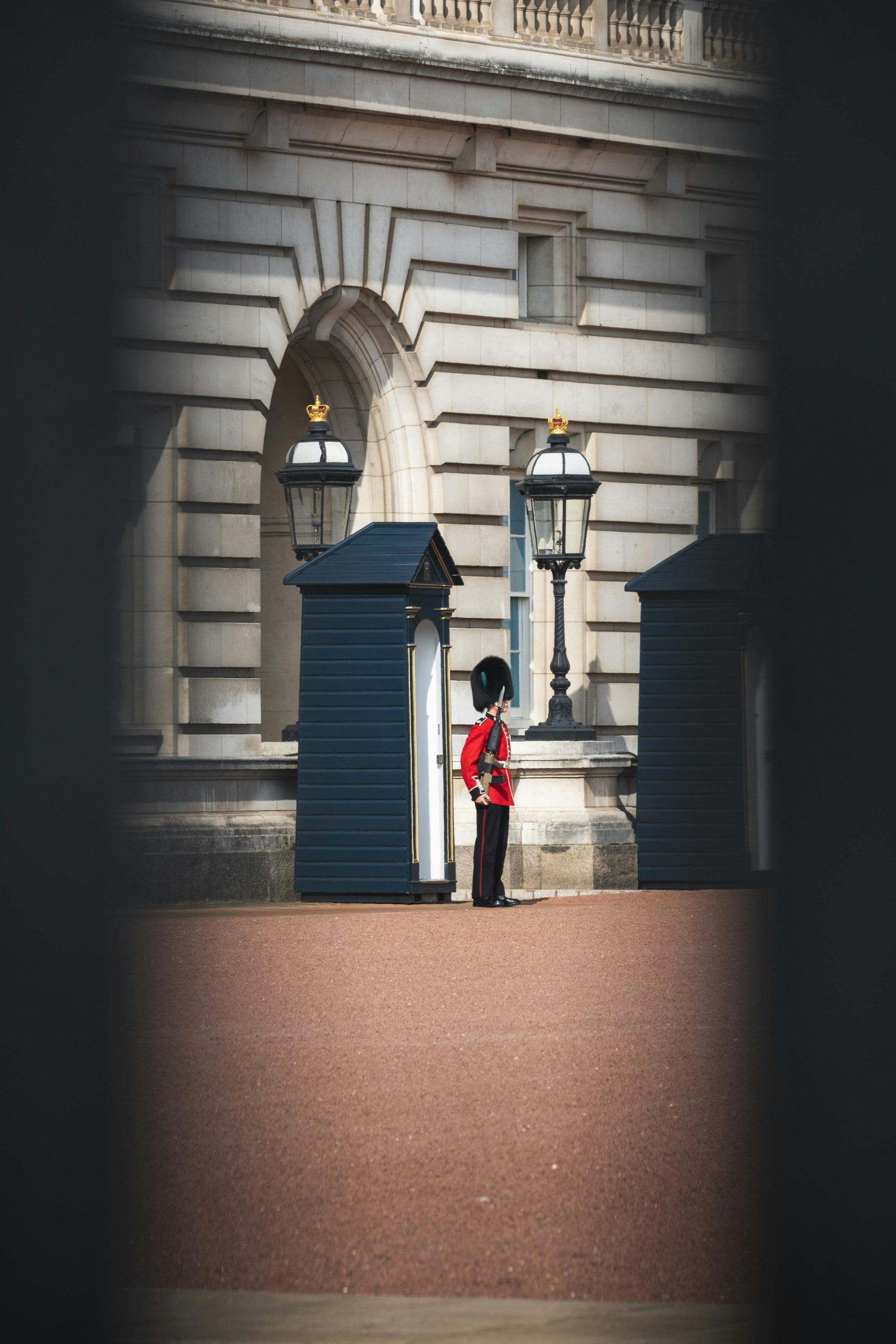
Photographs accompanying this article were captured during summer walks, each offering a glimpse into London’s evolving yet historically layered landscape.