

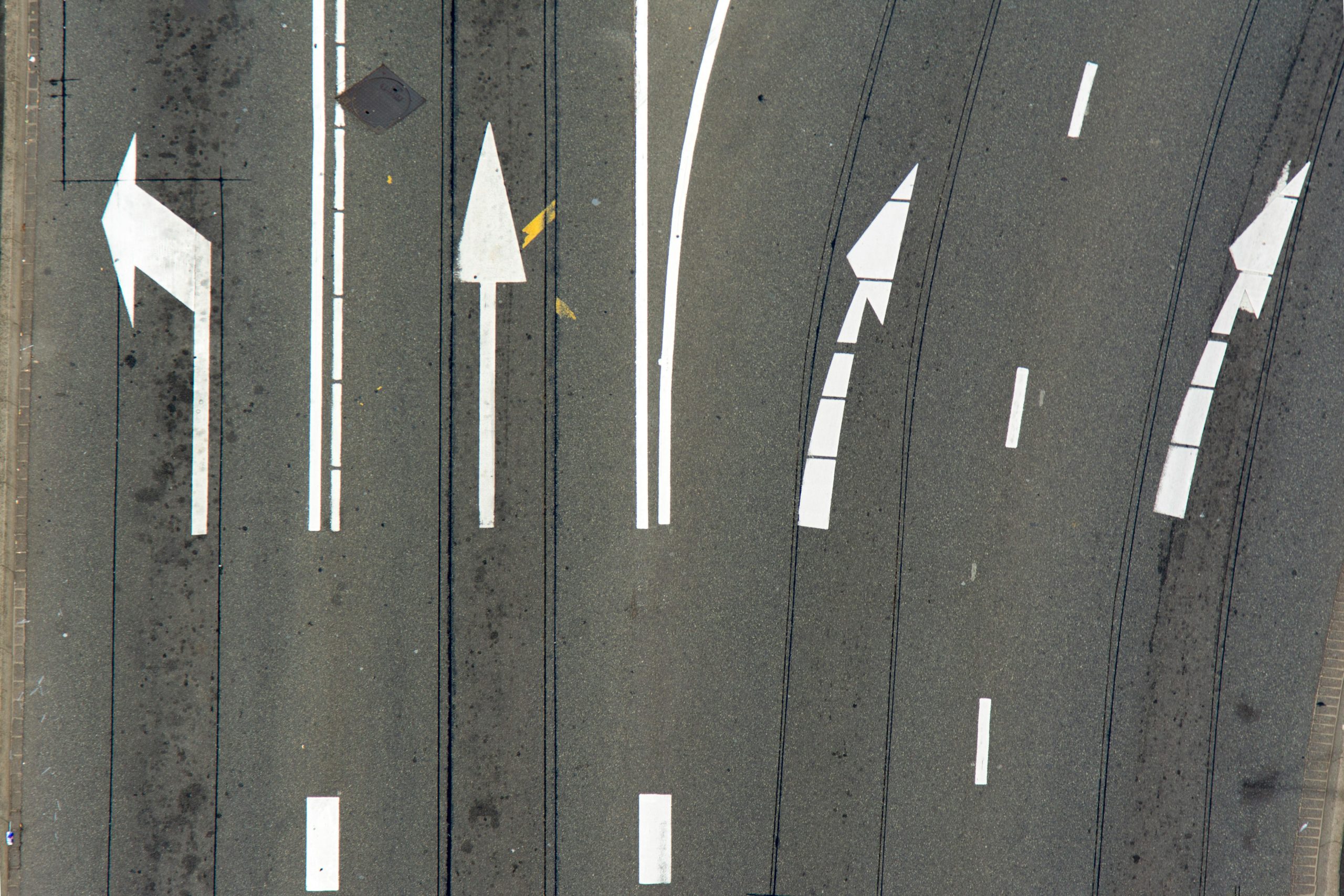
Increasing Incidents of Middle Lane Drivers Ignoring Turn Lanes: A Growing Traffic Concern
In recent months, motorists have observed a notable rise in the behavior of drivers who, instead of waiting in designated left or right turn-only lanes at traffic signals, opt to stay in the middle lane and make lane changes at the last moment. This trend appears to have become more prominent since the post-pandemic period, raising concerns among commuters and traffic management authorities alike.
The Issue: Lane-Cutting at Traffic Lights and Roundabouts
Traditionally, clear lane discipline helps ensure smooth and predictable traffic flow. However, an increasing number of drivers are bypassing proper turn lanes by staying in the middle lane and cutting across other vehicles just before making a turn. This practice not only disrupts the orderly movement of traffic but also causes frustration among drivers who diligently wait their turn in designated lanes.
This behavior isn’t confined solely to traffic lights. It is also observed at roundabouts, where drivers often switch lanes abruptly or attempt to cut in line, creating potential safety hazards and congestion.
Impact on Traffic Flow and Safety
Such lane changes hinder the efficiency of traffic flow, leading to longer wait times and increased congestion, especially during peak hours. Moreover, these sudden lane changes heighten the risk of collisions and create unpredictable driving environments, posing safety challenges for all road users.
Additionally, when middle lane drivers stop abruptly or block lanes, they can cause blockages that ripple through the traffic network, exacerbating congestion and increasing stress among commuters.
Regional Trends and Concerns
While this phenomenon appears widespread, some have noted it is particularly prevalent on routes such as the North Circular and Cambridge Road in North London. Local residents and commuters are increasingly vocal about their frustrations and are seeking clarification on whether existing or upcoming traffic enforcement measures will address these issues.
What Can Be Done?
Authorities and law enforcement agencies often monitor traffic patterns to develop strategies for improving road safety and efficiency. Initiatives may include increased signage emphasizing lane discipline, implementing stricter enforcement of traffic laws, or deploying traffic wardens during peak hours.
It remains to be seen whether local authorities have specific plans to counteract this growing issue. Community feedback and ongoing observations are vital in advocating for measures that promote better driving habits and safer roads for everyone.
Final Thoughts
The trend of drivers bypassing proper turn lanes by maneuvering through the middle lane is an emerging challenge for traffic management. It underscores the importance of adhering to lane discipline and respecting traffic regulations to ensure safety and efficiency on our roads. As this issue continues to gain attention, engagement from local communities and proactive measures by authorities will be crucial in fostering safer driving environments.