

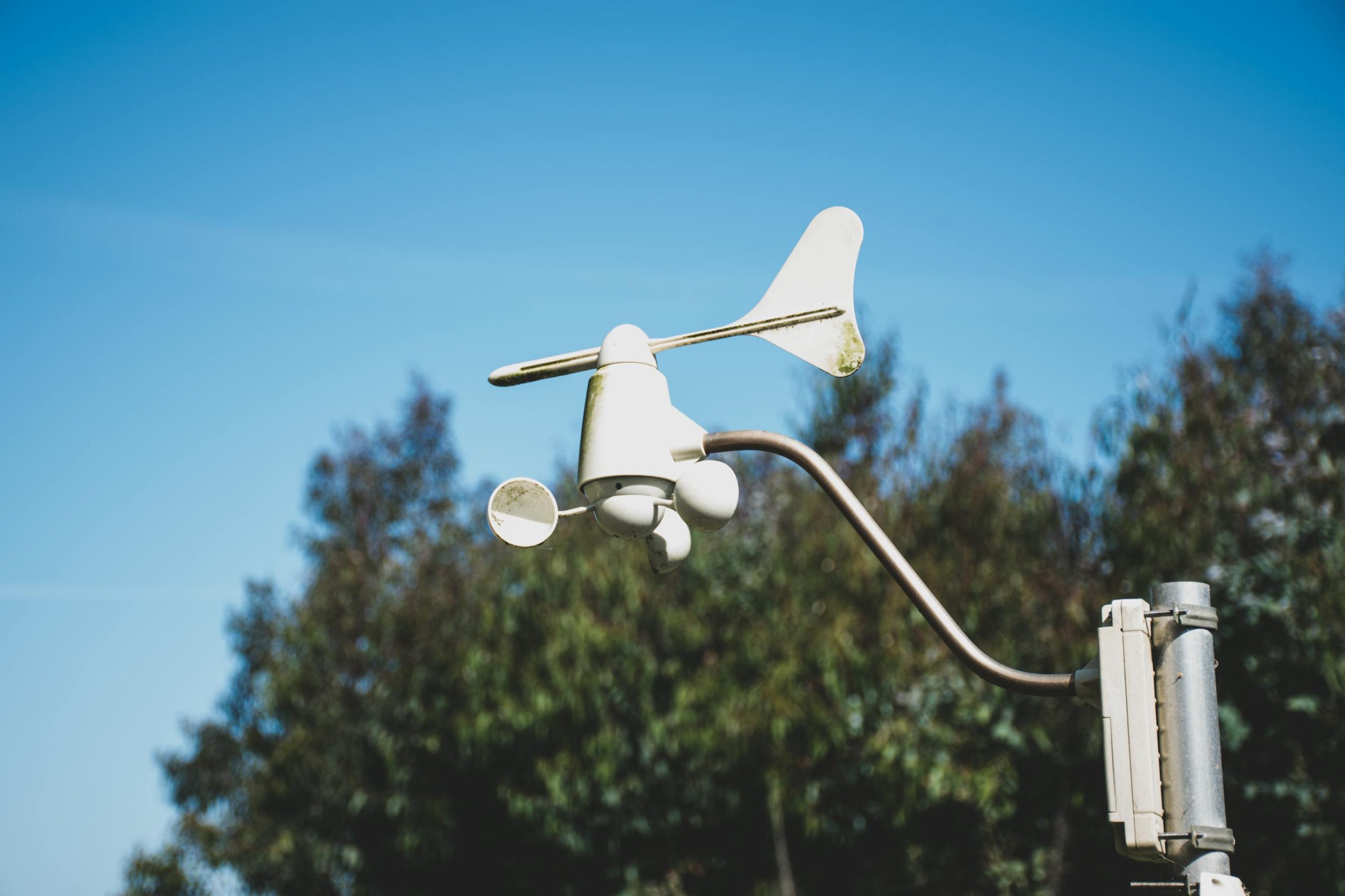
Historic Anemometer from 1694 Continues to Provide Wind Insight at Kensington Palace
In the realm of historical meteorological instruments, few are as intriguing and enduring as the anemometer installed at Kensington Palace in London. Originating in 1694, this pioneering device—a “wind-dial” connected to a tall vane on the roof—has remained operational for over three centuries, offering real-time insights into wind direction from within the palace.
A Maritime Tool for Navigational Forecasting
Designed during a period of intense naval activity, the anemometer served a strategic purpose: aiding the British Navy in predicting favorable winds for sailing during the wars with France. Its purpose was practical and critical, helping mariners determine the best times for embarking on voyages across the treacherous seas surrounding England.
Design and Functionality
The device features a vane mounted atop the roof, which responds to wind direction. Its mechanical linkage to a dial positioned indoors translates the external wind movement into an easily interpretable display. The system includes named markers representing key maritime locations such as ‘Groine’ (modern-day La Coruna) and ‘Silly’ (the Scilly Isles), providing sailors and navigators with contextual cues about regional wind patterns.
Historical Significance and Preservation
Attributing the invention to Robert Morden (circa 1650–1703), a notable cartographer and surveyor, the anemometer exemplifies early scientific ingenuity. Crafted under the commission of King William III, the device not only served a functional purpose but also reflects the era’s burgeoning interest in meteorological science and maritime navigation.
Remarkably, this historic wind instrument remains in its original condition at Kensington Palace, a testament to its enduring design and the value placed on preserving maritime and scientific heritage. It continues to function and stands as a tangible link to late 17th-century technological advances and England’s naval history.
Conclusion
The surviving 1694 anemometer at Kensington Palace offers a captivating glimpse into the early evolution of meteorological instrumentation. Its continued operation underscores its significance as both a scientific artifact and a historical landmark, highlighting England’s long-standing relationship with navigation, exploration, and technological innovation.
References
- Heritage of British maritime science and technology
- Historical records of Kensington Palace installations
- Biographical information on Robert Morden