

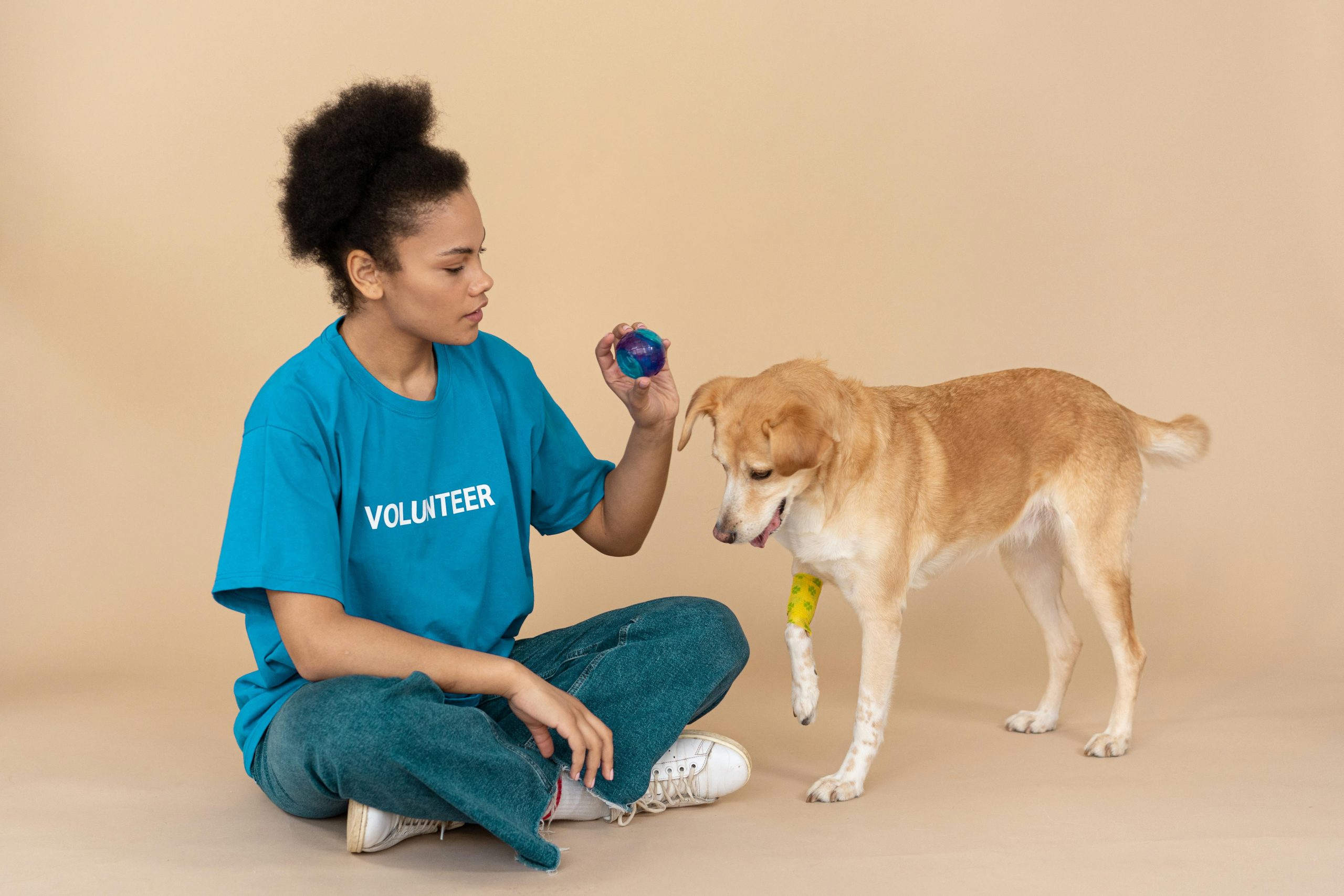
Seeking Volunteer Opportunities at Animal Rescues in London: A Guide for Aspiring Veterinarians
Embarking on a career in veterinary medicine often requires practical experience to complement academic knowledge. For those based in London and eager to gain relevant hands-on experience, volunteering at animal rescue organizations, farms, zoos, or veterinary clinics can be an invaluable step forward.
Understanding the Importance of Volunteering
Volunteer work not only enriches your understanding of animal care and welfare but also demonstrates commitment and passion to future employers and academic programs. Many programs recommend or require a specific number of practical hours, making early engagement crucial.
Approach to Gaining Experience
Aspiring veterinary students often aim for a balanced range of experiences. For example, setting a goal of approximately 140 hours across various settings can provide a well-rounded view of animal management. This might include:
- Shelter, farm, or zoo volunteering: approximately 70 hours
- Veterinary clinic experience: approximately 70 hours
Flexibility and dedication are key. Volunteering opportunities can often be scheduled during evenings and weekends, allowing for intensive periods of work—such as completing 70 hours in just a couple of weeks.
Finding Suitable Opportunities
London boasts numerous animal rescue charities, veterinary clinics, zoos, and farms that welcome volunteers. To identify suitable opportunities:
- Reach out directly to organizations like Battersea Dogs & Cats Home, RSPCA London, or other local rescue centers.
- Explore volunteering platforms dedicated to animal welfare.
- Consider internships or short-term placements that align with your schedule.
- Leverage university networks or online communities for recommendations and advice.
Tips for Getting Started
- Research Organizations: Visit websites and contact organizations directly to inquire about volunteer roles and requirements.
- Prepare Your Application: Highlight your academic background in zoology and your enthusiasm for hands-on animal care.
- Be Flexible: Demonstrate willingness to work on various days and times, including evenings and weekends.
- Start Early: Volunteer opportunities can be competitive; early application increases your chances.
- Gain Diverse Experience: Engage in different types of animal care settings to develop a broad skill set.
Conclusion
Gaining practical experience through volunteering is a vital step toward a career in veterinary medicine. If you’re in London and interested in animal rescue work, actively seeking opportunities and engaging with organizations can set you on the right path. Your dedication not only benefits the animals you care for but also helps you develop the skills necessary for your future studies and career.
For more guidance or to share your experiences, consider connecting with local animal welfare communities and professional networks. Together, we can support aspiring veterinarians in achieving their goals while making a difference in the lives of animals.
Note: Always verify the current volunteering requirements and opportunities directly with organizations, as programs and availability may change.