

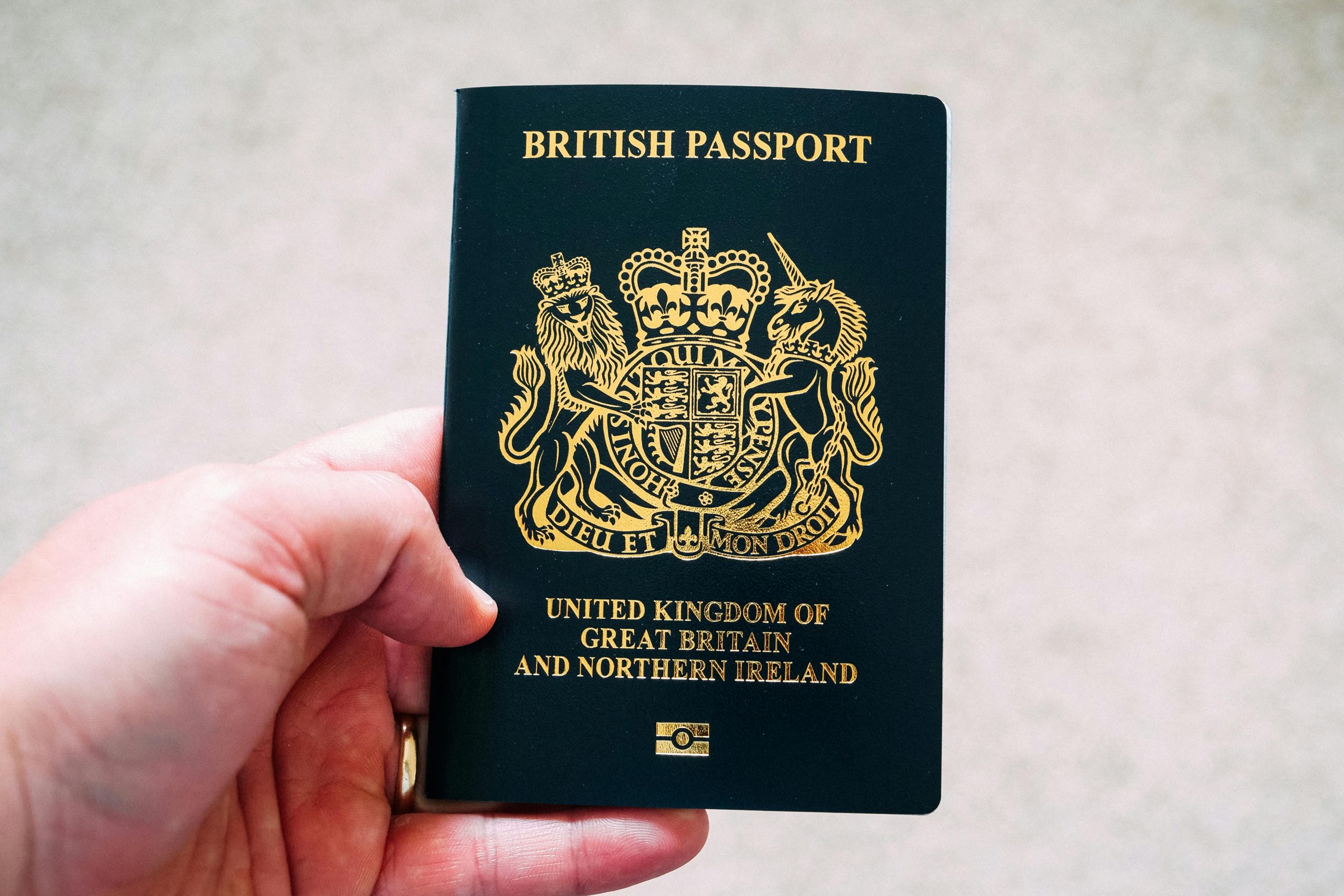
Understanding the Impact of Brexit on UK Passports and International Mobility
Since the United Kingdom’s departure from the European Union, there has been considerable discussion about the practical implications for UK citizens when it comes to travel and residency rights. One area of particular debate is the perceived value and functionality of the UK passport post-Brexit.
Historically, UK passports have been valued for their design and privileges, including visa-free or visa-on-arrival access to numerous countries. However, recent changes have led many to question the passport’s utility beyond domestic borders. While the passport retains its characteristic blue cover and official status, its effectiveness in facilitating seamless travel within the EU has been significantly diminished.
Unlike the UK passport, the Republic of Ireland’s passport continues to offer broader accessibility within the European Union. Irish passport holders benefit from the freedom of movement and work rights across EU member states, reflecting Ireland’s continued membership in the EU and the associated agreements.
For many UK citizens, the post-Brexit landscape has introduced increased bureaucratic hurdles for international travel and work opportunities within the European Union. Previously, UK passport holders could travel, work, and reside within EU countries with relative ease. Now, they often face extended visa procedures, additional documentation, and administrative delays, which can alter the European travel experience from one of ease to one of obligation and complexity.
This shift has prompted some to reflect critically on the initial motivations behind Brexit and its tangible consequences on everyday life. While the UK passport remains a symbol of national identity, its practical value in facilitating international mobility has been somewhat curtailed in the post-Brexit era.
In conclusion, understanding the evolving role of UK passports is crucial for current and prospective travelers and residents. While the physical design may remain recognizable, the practical benefits are now subject to the changing political and legal landscape, emphasizing the importance of staying informed and prepared for international travel and opportunities outside the UK.