

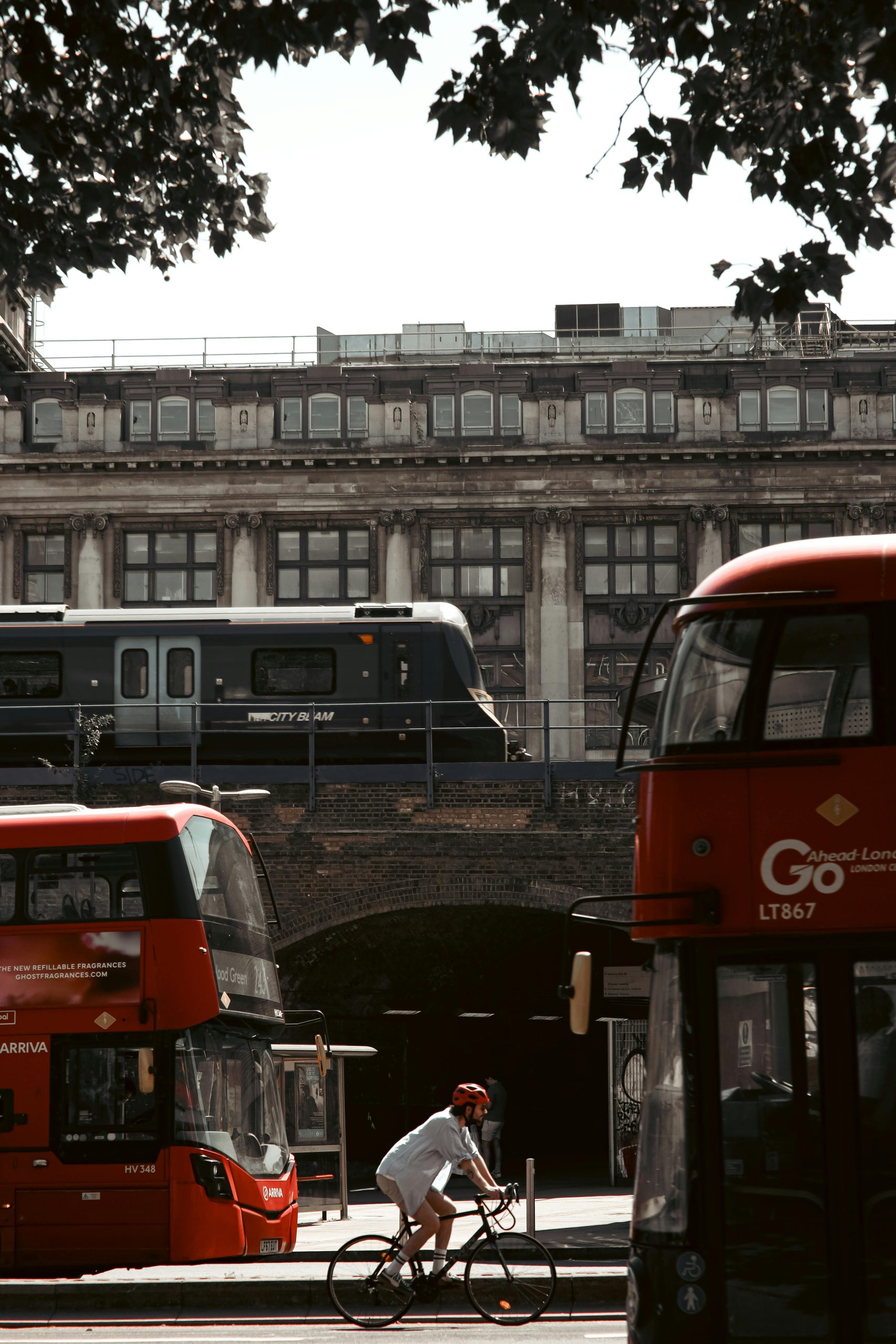
Understanding Commuter Behavior in London’s Public Transport: A Closer Look
London’s public transportation system is renowned worldwide for its extensive reach and convenience. However, a recurring phenomenon among commuters raises questions about rider behavior and decision-making during peak and off-peak hours. Many travelers find themselves caught in situations where a bus or train, despite nearing capacity, is met with eager boarding attempts, often leading to overcrowded rides and discomfort.
The Phenomenon Explained
Consider a typical scenario: a bus arrives with approximately two-thirds of its capacity filled, while the bus stop itself is packed with waiting passengers. Despite knowing that the vehicle is already quite full, a significant number of commuters opt to board immediately, leading to the bus becoming fully occupied—and then some. The cycle continues with the subsequent bus arriving in mere minutes, yet many insist on boarding the current vehicle rather than waiting a short while for the next.
This behavior isn’t limited to buses; it extends to London’s underground trains during rush hours and other busy periods. While it’s understandable to want to minimize waiting times during peak mornings or evening commutes, the oddity emerges during mid-afternoon or less busy times—say around 3:45 PM—when the perceived cost of waiting just a few minutes outweighs the discomfort of a cramped ride.
Why Do Commuters Board Despite Overcrowding?
This pattern prompts us to question the psychological or cultural factors influencing such decisions. Is there a sense of urgency, impatience, or social pressure that persuades passengers to join overcrowded vehicles? Could it be a misconception that waiting even a few minutes is wasteful, or perhaps a habit born of daily routines?
In hot weather or during summer months, cramped conditions can become especially uncomfortable, further exacerbating the issue. Yet, many are still willing to endure these conditions rather than wait for the next service.
A Personal Perspective
From a practical standpoint, waiting a few minutes for a less crowded bus or train is a minor inconvenience compared to the discomfort of being crammed into a packed vehicle. Taking that moment to ensure a more comfortable and safer commute can significantly improve overall travel experience. Interestingly, such patience is often underappreciated; what seems trivial to some may be a meaningful choice to others seeking more comfortable travel.
A Call for Reflection and Change
While this behavior might seem perplexing, understanding the motivations behind it can help inform transport policies or passenger education. Encouraging a culture of patience and awareness might alleviate some of the overcrowding issues and contribute to more pleasant journeys for all.
In conclusion, next time you’re tempted to squeeze onto that nearly full bus just to avoid waiting a few minutes, consider the alternative. Waiting may lead to a more comfortable, safer, and even shorter overall journey. Sometimes, the best choice isn’t the quickest but the most considerate.
Thank you for taking the time to reflect on this aspect of London’s public transport experience.