

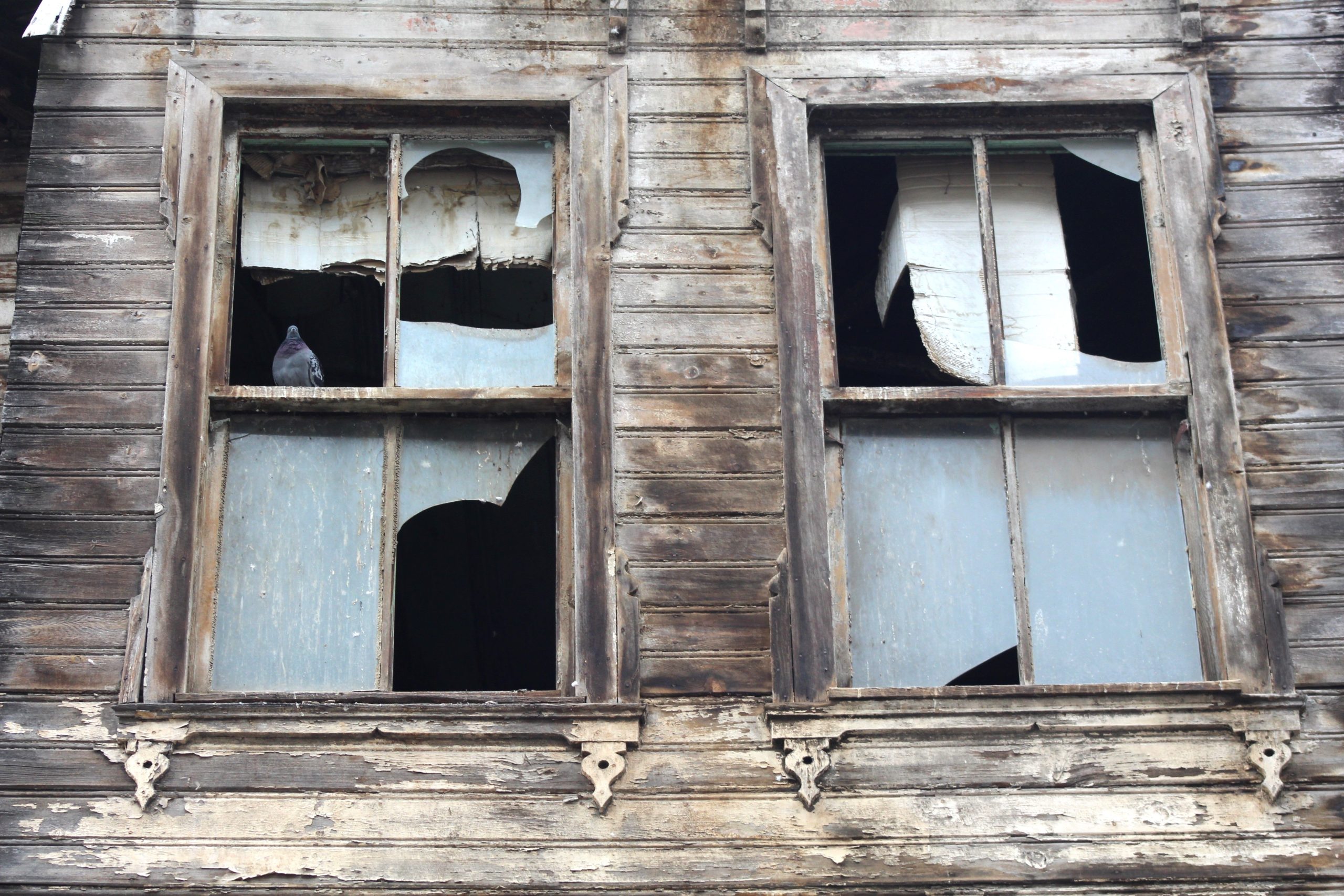
Exploring Indoor Pigeon Habitats in London: A Guide for Filmmakers and Enthusiasts
London, a city renowned for its vibrant street life and iconic landmarks, is also home to countless urban wildlife species. Among these, the ubiquitous city pigeon holds a special place, often seen fluttering across squares, perched on historic monuments, and scavenging in bustling markets. For filmmakers and documentarians aiming to capture authentic scenes involving pigeons, especially in controlled indoor environments, finding suitable locations can be challenging. This article explores potential indoor habitats for pigeons within London, providing valuable insights for your creative projects.
Understanding Urban Pigeon Behavior
Contrary to popular belief, pigeons primarily prefer outdoor settings, especially those featuring architectural nooks, ledges, and open spaces where they can forage and roost comfortably. However, they do occasionally inhabit indoor spaces that mimic their natural environments or provide shelter and food sources. Recognizing these habitats can be instrumental in planning your shoots.
Indoor Locations in London with Known Pigeon Presence
- Historic Train Stations and Metro Halls
Many of London’s historic train stations and underground stations serve as de facto indoor habitats for pigeons. Examples include:
-
London Underground Stations: Pigeons often venture underground, especially in unstaffed sections where they can roost undisturbed. Notable stations like Waterloo or King’s Cross St Pancras sometimes host flocks, particularly in unused or less-frequented areas.
-
Historic Railway Terminals: Grand stations with extensive architecture, such as Victoria Station or Liverpool Street, occasionally have pigeons nesting or roosting in their vaulted ceilings, arches, or disused platforms.
Caution: Accessing certain areas may require permissions or may not be feasible due to safety and security regulations.
- Warehouses and Storage Facilities
Large, abandoned, or partially used warehouses can serve as ideal indoor pigeon habitats. These spaces often provide ample ledges, rafters, and open floors that attract pigeons seeking shelter or nesting sites. Some of these warehouses in East London or the Docklands area may be suitable, particularly if they are accessible for filming.
- Indoor Markets and Food Halls
Markets such as Borough Market or Billingsgate Fish Market—known for their bustling activity—may host pigeons indoors, especially in the early morning hours before closing. Their architectural features and availability of food scraps make them attractive for pigeons seeking sustenance.
- Unoccupied or Disused Buildings
Abandoned churches, chapels, or community halls can harbor pigeon populations. These sites often feature high ceilings and ledges conducive for roosting. Securing permission for filming in such locations is essential.
Practical Tips for Filmmakers
-
Research and Permissions: Many indoor sites are private or protected. Establish contact with property owners or managers early in your planning process.
-
Timing Is Key: Pigeons are most active during dawn and dusk. Visiting early in the morning or late in the evening can improve your chances of observing and filming them.
-
Safety and Respect: Always prioritize safety and respect for property. Avoid disturbing nesting sites or causing damage.
Alternative Solutions
If locating raw indoor pigeon habitats proves difficult, consider creating controlled environments or using digital effects to simulate indoor settings involving pigeons. Combining outdoor footage with visual effects can also achieve your desired scenes effectively.
Conclusion
While London offers numerous outdoor locations to observe and film pigeons, indoor habitats are less obvious but still present in specific settings such as historic stations, warehouses, markets, and disused buildings. Effective planning, research, and securing necessary permissions can help you access these environments. Whether capturing authentic scenes or creating a stylized depiction, understanding the potential indoor pigeon habitats in London can enhance the quality and authenticity of your documentary.
For further insights or location-specific advice, consider reaching out to local wildlife groups, historical site managers, or film location services familiar with London’s unique urban landscape.