

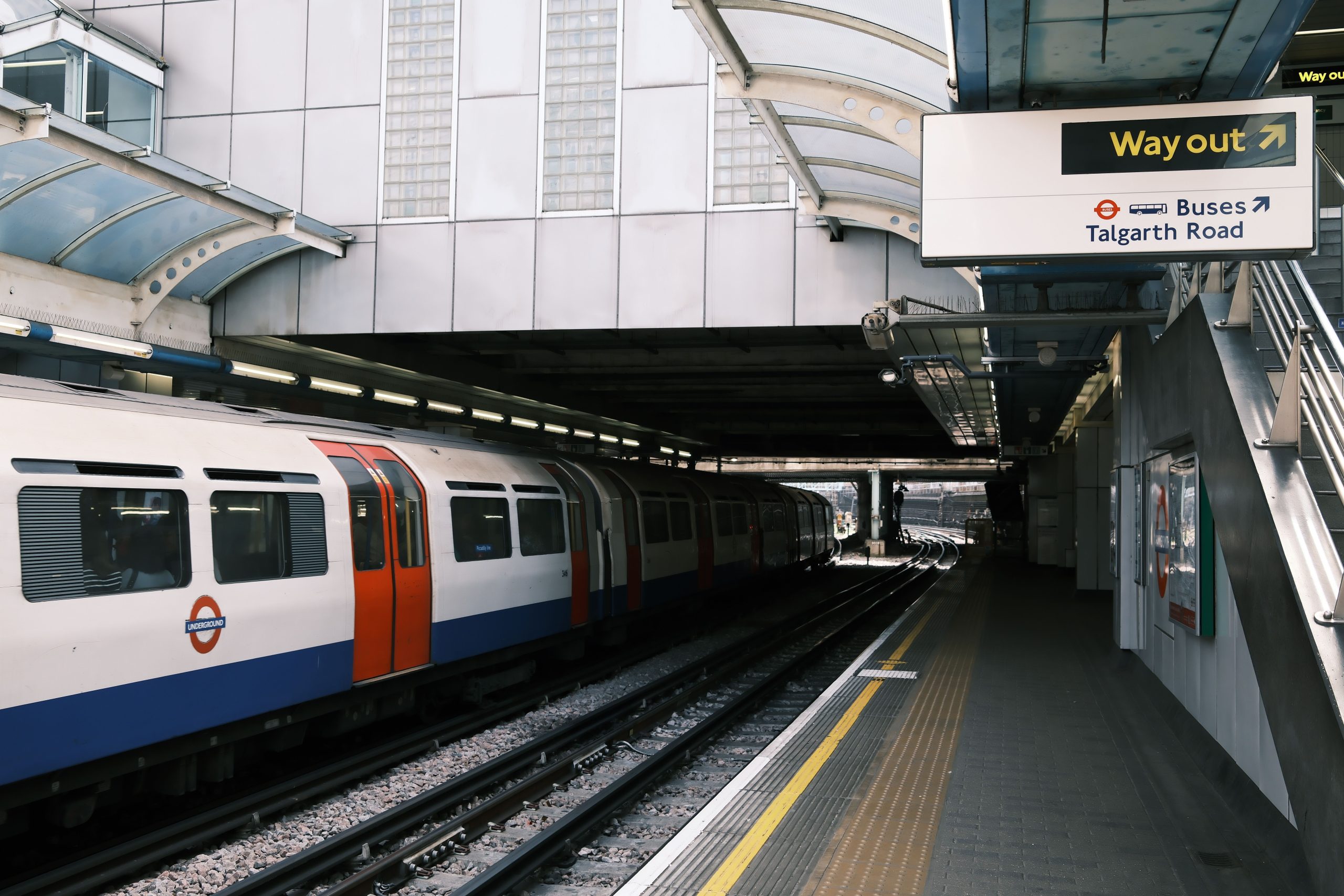
Assessing the Current State of London’s Central Line: Challenges and Concerns
The London Underground’s Central Line, historically one of the busiest and most vital components of the city’s transit network, appears to be experiencing significant operational difficulties. Commuters have recently reported persistent issues that are affecting the reliability and safety of service, raising questions about the line’s maintenance and investment strategies.
Frequent Signal Delays and Increased Wait Times
Many passengers have observed a rise in signal delays along the Central Line, leading to longer waiting periods and unpredictable train arrivals. These disruptions not only inconvenience daily commuters but also impact the overall efficiency of travel across central and east London, where the line predominantly operates.
Recurring Train Breakdowns and Service Interruptions
In addition to signaling problems, there have been reports of trains breaking down at least once a week, predominantly on the westbound stretches of the line. These incidents often result in service cancellations or the need for passengers to switch trains—most notably at Leytonstone—causing delays and overcrowding issues. Such frequent breakdowns are concerning for a line that is considered one of the younger parts of the London Underground network.
Questions Over Investment and Maintenance
The Central Line has been subject to refurbishment projects over the years, with aims to modernize and improve service quality. However, ongoing issues suggest that these initiatives may have faced delays or are not effectively addressing the underlying problems. It’s worth questioning whether current investment levels and maintenance efforts are sufficient to meet the demands of such a heavily-used line.
Concerns Over Allocation of Resources
The ongoing challenges have led many to wonder: where are the funds allocated for the maintenance and upgrading of the Central Line actually going? As Londoners depend on this vital transportation artery, transparency and accountability become crucial in ensuring that taxpayer money is effectively utilized to restore and enhance service reliability.
Moving Forward: The Need for Action
Addressing these issues requires a comprehensive approach involving increased investment, rigorous maintenance schedules, and transparent communication with the public. As London continues to grow, ensuring the robustness of its transport infrastructure—particularly the iconic and heavily trafficked lines like the Central—is essential for the city’s ongoing development and the well-being of its residents.
Conclusion
While the London Underground remains a symbol of the city’s connectivity, recent reports highlight the urgent need for sustained improvements on the Central Line. Commuters deserve a reliable, safe, and efficient service—one that accurately reflects the investment and importance of this key transit route. Stakeholders must prioritize transparency and action to reaffirm confidence in one of London’s most vital transport assets.