

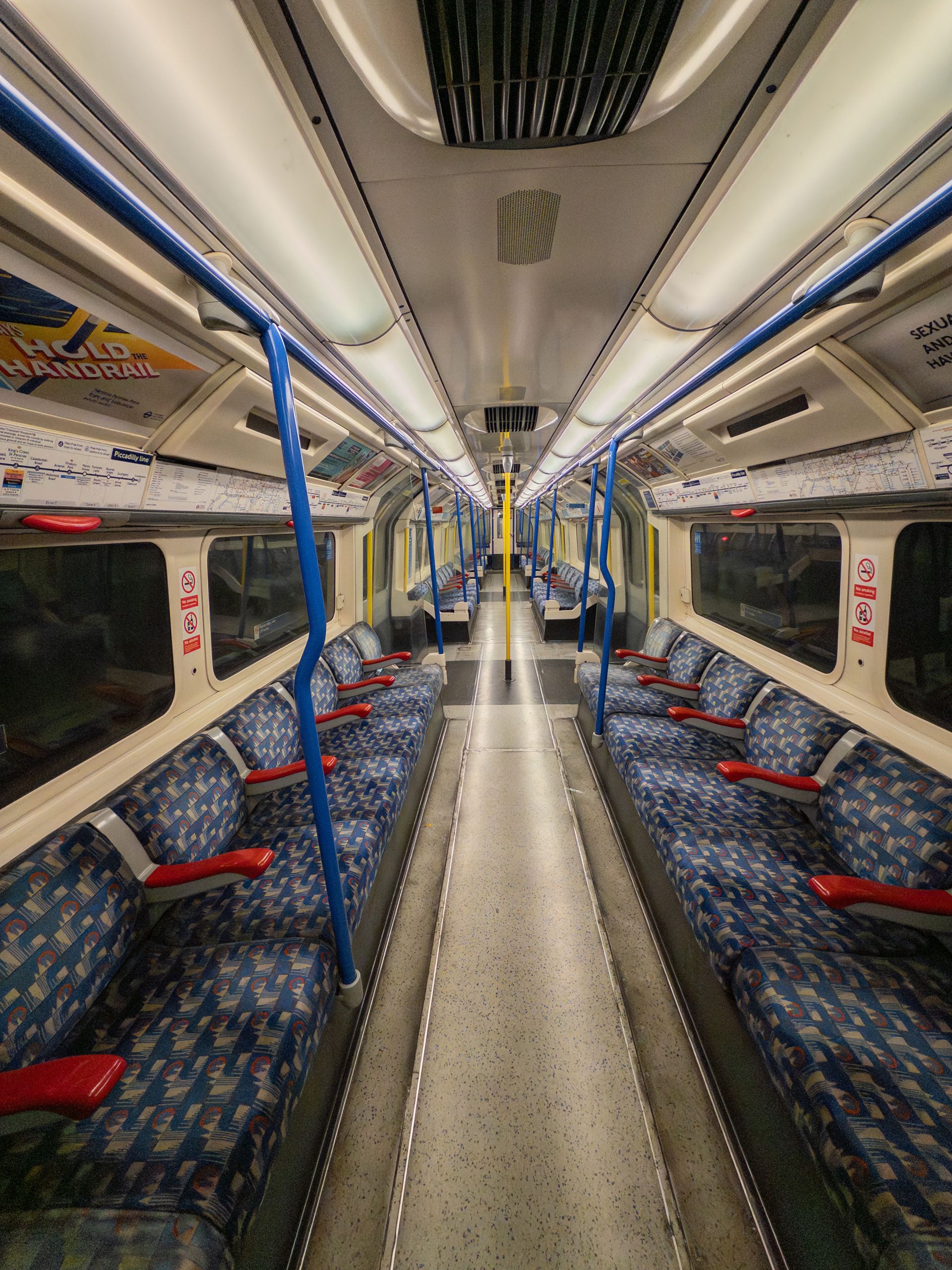
Understanding the Choice of Fabric Seats on the London Underground: A Closer Look
Public transportation systems around the world utilize a variety of seat materials, each selected based on factors like comfort, durability, maintenance, safety, and passenger experience. One common observation, particularly in the London Underground, is the prevalence of fabric-covered seats rather than metal or other materials. This leads to the question: why are the seats on the Tube primarily fabric rather than metal?
Historical Context and Design Considerations
Historically, subway systems have prioritized passenger comfort alongside operational practicality. Fabric seats have been favored for their softer, more comfortable feel, providing a more inviting environment for commuters. This comfort factor is especially significant considering the relatively long average durations passengers spend on trains.
Comfort and Safety
Fabric seats tend to be more comfortable than metal for passengers, offering a degree of cushioning that can make journeys more pleasant. Moreover, modern fabrics used in transit seating are designed with safety in mind—they are typically flame-retardant, resistant to staining, and easy to clean. In contrast, metal seats, while durable, can be cold and uncomfortable, potentially leading to a less welcoming commuter environment.
Maintenance and Durability
While it might seem that metal seats could be easier to maintain—being resistant to staining and easier to clean thoroughly—the reality is nuanced. Fabric seats can be designed with high-quality, stain-resistant materials that withstand regular cleaning. Additionally, fabric surfaces can be more forgiving in hiding minor scratches or marks, maintaining a neater appearance over time. Regular cleaning procedures, including vacuuming and disinfecting, effectively keep fabric seats hygienic and in good condition.
Operational and Cost Considerations
The choice of seating material also involves economic factors. The installation and repair costs for fabric seats can vary, but fabric-covered seats are often easier and less expensive to replace or refurbish compared to metal seats, which might require more extensive repairs if damaged. Furthermore, fabric seats can be manufactured in a variety of colors and patterns, aiding in visual branding and aesthetic uniformity across a transit system.
Comparative Insights: Hong Kong Metro and Other Systems
Looking at other metro systems, such as Hong Kong’s MTR, which features similarly upholstered seats, reinforces the idea that comfort and passenger experience are significant factors in seat material selection. The positive feedback on these systems suggests that fabric seating strikes a good balance between comfort, safety, and operational efficiency.
Conclusion
The decision to utilize fabric seats on the London Underground is rooted in a multifaceted approach to passenger comfort, safety, maintenance, and operational efficiency. While metal seats might seem more straightforward from a cleaning perspective, modern fabric materials and maintenance protocols effectively address hygiene concerns while offering a more pleasant travel experience. Ultimately, the choice reflects a broader commitment to providing a comfortable and user-friendly transit environment for millions of daily commuters.