

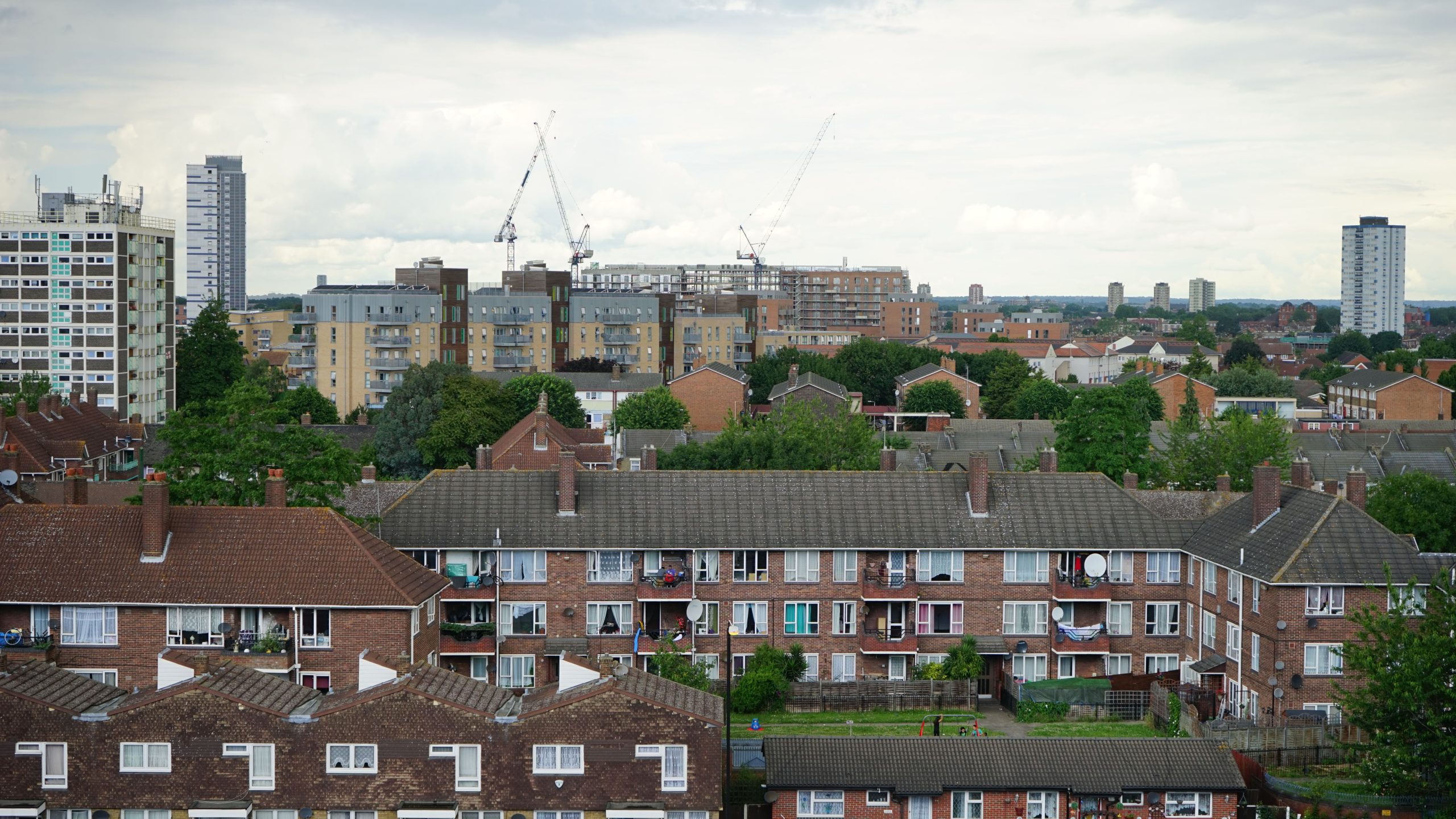
Navigating London’s Cost of Living: Challenges and Perspectives for Working-Class Residents
London, often regarded as the heart of the UK’s economic and cultural landscape, presents both opportunities and significant financial challenges—especially for its working-class residents. As housing prices skyrocket and affordability becomes increasingly elusive, many locals are questioning how they can sustainably live and thrive in the capital.
A Personal Reflection on Housing and Wealth Accumulation
Growing up in a working-class family in West London, I experienced firsthand how different the landscape was in the early 1990s. Back then, it was possible for a single income to secure a property in a desirable area, particularly if a family was fortunate enough to purchase property with support from council schemes. My father bought our family home in Zone 2 on his salary, an achievement that seems almost unimaginable today.
However, the landscape has shifted dramatically. With no inheritance to rely on—sharing the family home with siblings and lacking external financial support—the prospect of owning property or simply maintaining a stable lifestyle in London feels increasingly distant. I’ve been in and out of various jobs, from professional roles to minimum wage work such as bar or delivery jobs, yet the financial barriers persist.
The Reality for Many Working-Class Londoners
The experiences of my peers mirror the broader struggles faced by many working-class Londoners. Those who managed to achieve homeownership often did so through professional careers or some form of side income—sometimes questionable in nature—raising questions about affordability and economic necessity.
For those currently feeling left behind, the options seem limited. Some consider relocating outside the city in search of more affordable housing and a better quality of life. Others ponder whether there are steps to stay in London and still maintain a footing, such as pursuing new skills, entering shared ownership schemes, or seeking community support programs.
What Are Your Options? Practical Steps and Considerations
While there is no one-size-fits-all answer, here are some practical considerations for working-class Londoners navigating high costs:
-
Explore Shared Ownership or Help-to-Buy Schemes: These programs can provide pathways into homeownership with lower initial financial thresholds, though eligibility and availability vary.
-
Enhance Skills and Qualifications: Investing in education or training can open doors to higher-paying roles within the city, potentially easing financial pressures.
-
Community and Local Support: Engage with community organizations or housing associations that may offer support, advice, or alternative housing options.
-
Relocation as a Last Resort: Sometimes, relocating to more affordable regions—whether within Greater London or further afield—can provide a better quality of life and greater financial stability.
Conclusion
The question many working-class Londoners are asking themselves today is profound: How can they continue to live, work, and thrive in the capital without sacrificing stability or future security? While the challenges are substantial, exploring available pathways and community support can help individuals make informed decisions about their housing and financial future.
Ultimately, ongoing dialogue and policy interventions are necessary to address these affordable housing crises and ensure London remains accessible to all its residents, regardless of socioeconomic background.