

Experiencing Quieter Fridays on the London Tube: A Reflection on Changing Commuting Patterns
In recent weeks, many London commuters have noticed an intriguing shift: the London Underground appears significantly calmer on Fridays compared to previous years. While some attribute this change to the ongoing prevalence of remote work, it prompts a broader discussion about evolving transportation habits and societal routines.
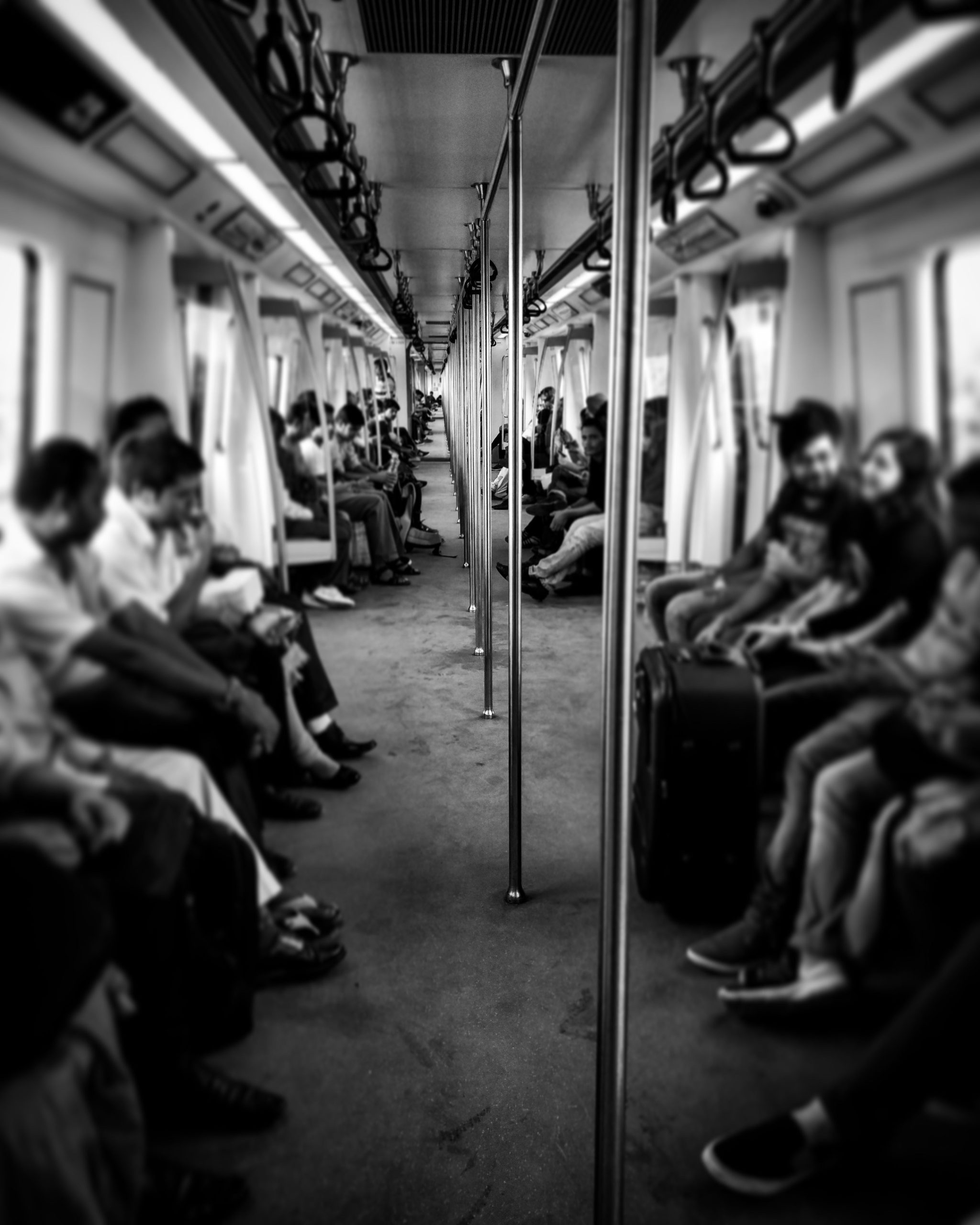
Traditionally, Friday evenings are characterized by bustling crowds, lingering after-work social plans, and a palpable sense of anticipation for the weekend. However, reports from late evenings suggest a different scene—trains are considerably less crowded, with some journeys feeling almost deserted by usual standards. For example, recent observations during mid-evening trips showed tube carriages at approximately 80% emptiness, a stark contrast to past patterns when stations and trains would typically be more congested as people headed out for social engagements or weekend activities.
It’s worth noting that London’s West End remains relatively lively, potentially due to ongoing entertainment and dining options, but even in these areas, the general flow of traffic has noticeably declined. One commuter recounts experiencing a sequence of trains immediately after one another, which further emphasizes the reduced passenger numbers during these times.
This phenomenon raises questions about the broader impact of remote working arrangements, flexible schedules, and changing societal behaviors. As workplaces continue to adapt to new models, the traditional Friday evening rush may be transforming into a more subdued affair, at least in terms of public transportation usage.
While some may find this quietness a relief—enabling a more relaxed commute—others might miss the vibrant hustle and bustle that once marked the end of the workweek. Whether this is a temporary trend or a lasting change remains to be seen, but it certainly reflects the shifting landscape of urban commuting and social routines.
As London continues to evolve, paying attention to these subtle changes can offer valuable insights into how our city adapts to the new normal. For regular commuters and casual observers alike, it’s an interesting development worth considering as we move forward into a more flexible and possibly quieter future.