

Ensuring Public Facility Standards: A Case Study of the London Aquatics Centre
The London Aquatics Centre in Stratford, originally constructed for the 2012 Olympic Games and now managed by Everyone Active, is a prominent sports and leisure destination. However, recent experiences have highlighted significant maintenance and accessibility concerns that merit attention.
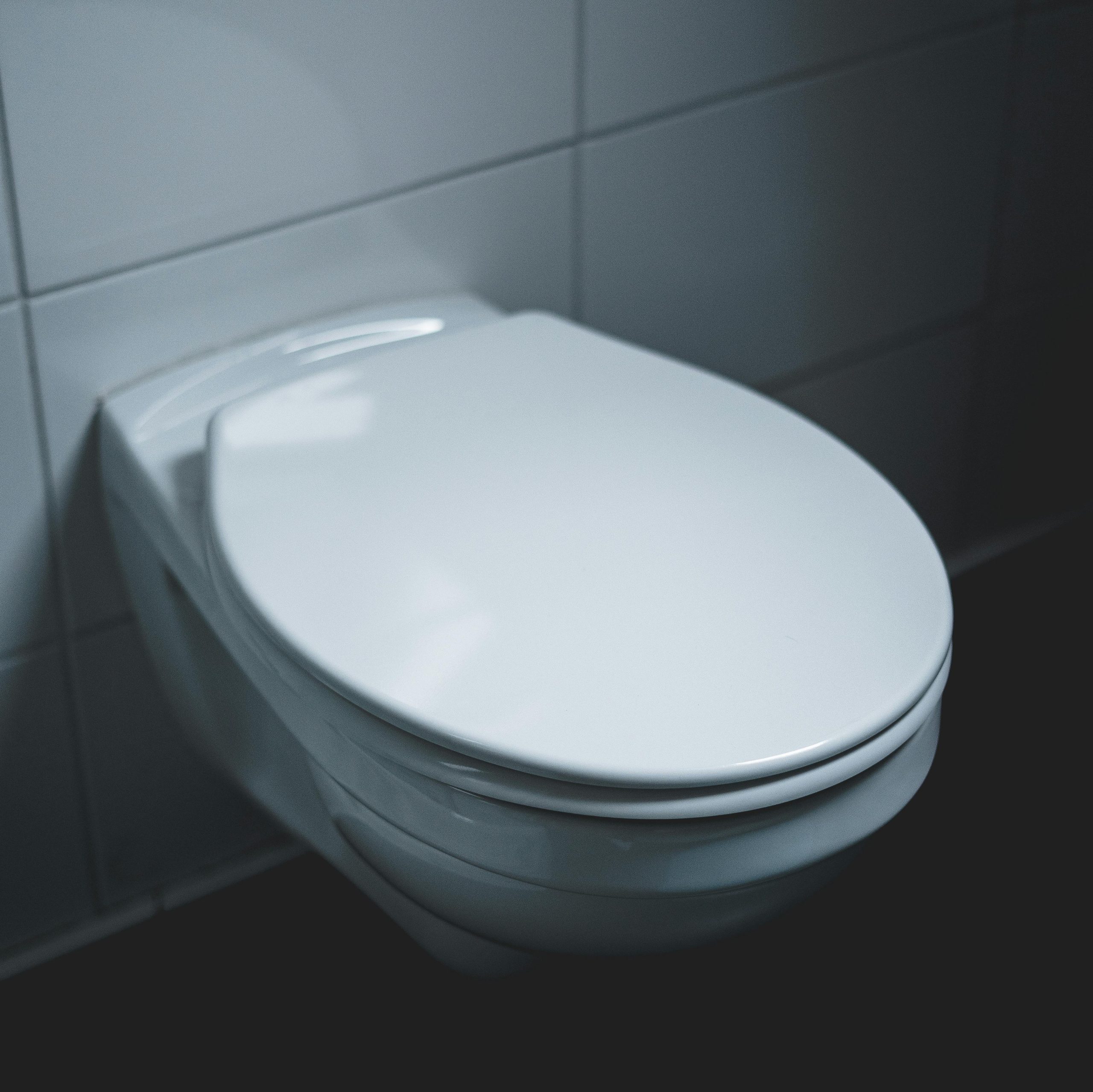
One persistent issue involves the male changing room toilets, which have been without toilet seats for approximately twelve months. This critical sanitary fixture has remained unfixed despite ongoing complaints. Additionally, other facility components—such as spin dryers that operate only partially, non-functional showers in the training pool area, and a disabled access barrier at the main entrance that has been out of service—compound the challenges faced by users.
Of particular concern is the accessibility situation. Disabled visitors have been instructed to use the exit gates to enter the premises for over six months. Verbal confirmation from management has referred to this as a “valid workaround,” despite photographic evidence showing the accessible entry gate blocked by promotional signage and the exit gates marked with “No Entry” signs. Such conditions hinder equitable access and undermine the venue’s commitment to inclusive service.
Efforts to resolve these issues have included formal complaints directed to various entities:
– Centre management under Everyone Active—no satisfactory response, with management reportedly dismissing concerns.
– The General Manager of Everyone Active, Oliver Britten, responsible for Quality, Health, Safety, and Environment (QHSE), with a pending reply.
– The London Legacy Development Corporation (LLDC), the organization that owns the venue, with a reference number (01997499) logged but no action taken.
– Local Members of Parliament (MPs) and London Assembly Members—no resolution has emerged.
Additional outreach has included media contacts such as Channel 4 News and Dispatches, as well as engagements with the LLDC safeguarding team. Preparations are also underway to lodge formal complaints with the Equality and Human Rights Commission (EHRC) and the Health and Safety Executive (HSE).
Public feedback reflects widespread dissatisfaction, with numerous online reviews citing the same persistent issues. These combined experiences underscore the importance of maintaining hygiene standards, functional facilities, and accessible entry points to uphold safety and inclusivity.
This case highlights the critical need for ongoing maintenance, proactive management, and transparent communication within publicly accessed facilities. Stakeholders—ranging from management and authority bodies to service users—must work collaboratively to address such concerns earnestly and promptly, ensuring that essential amenities meet the standards expected by the community.
If you have encountered similar issues at public venues or have insights into effective escalation strategies, sharing your experiences can contribute to broader efforts to improve standards across recreational and community facilities.