

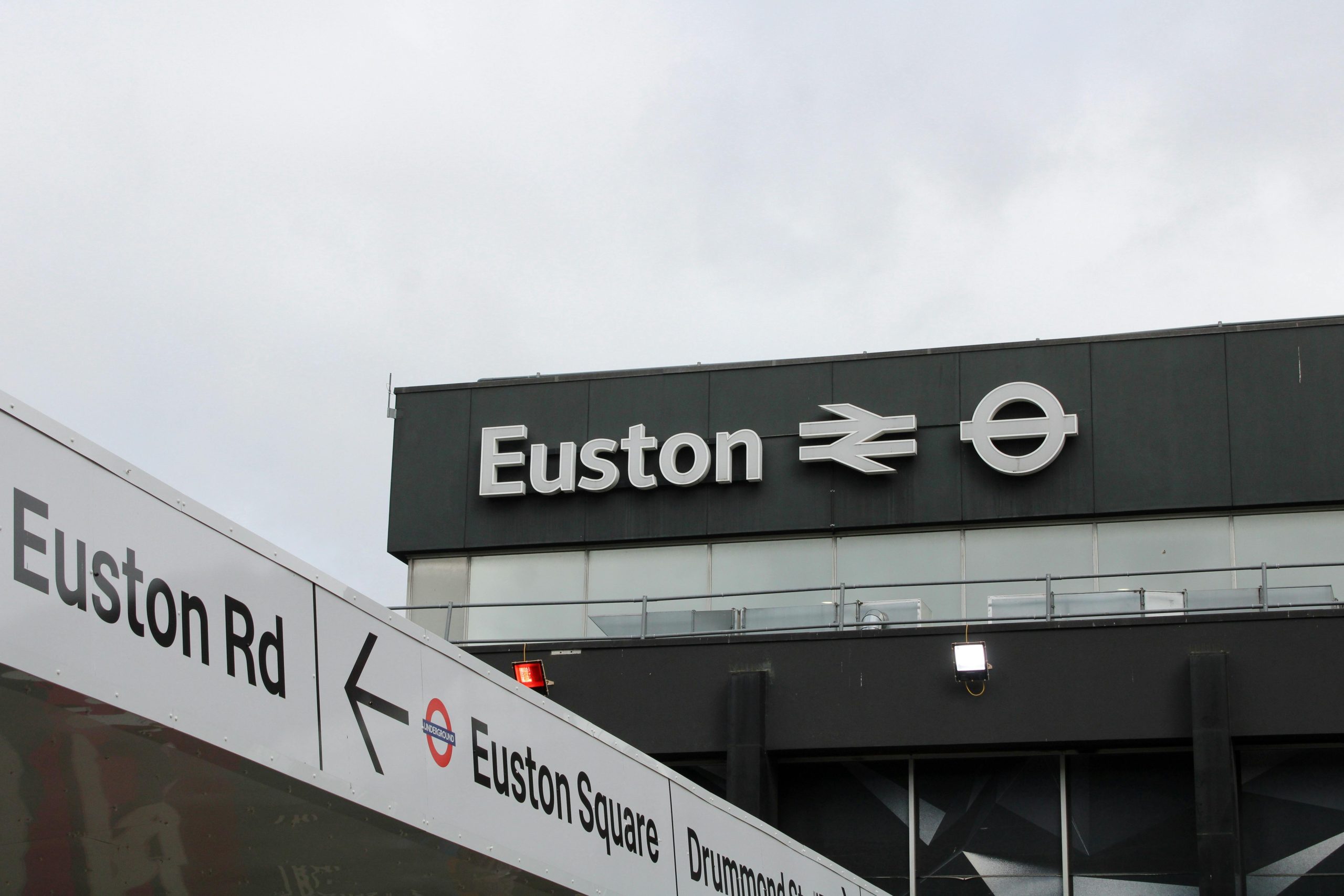
Understanding the Euston Rush: Unraveling the Phenomenon of Crowd Behavior at London’s Main Stations
As a visitor from outside London, experiencing the bustling transport hubs of the capital can often be a culture shock—particularly when witnessing the frenetic rush that seems to characterize certain moments in these crowded environments. Recently, I experienced such a moment firsthand at Euston Station, and it prompted me to reflect on the curious behavior observed among travelers during peak times.
On a recent evening, after attending an event in London, I was preparing to catch a train back to Birmingham. Standing in the large waiting area, I patiently waited for the announcement of my platform. Once the platform number was announced, I began to walk toward the correct platform in a leisurely manner. However, my calm approach was abruptly disrupted as I was suddenly pushed and jostled by what appeared to be hundreds of travelers eager to reach the train.
What struck me as both amusing and perplexing was the sheer intensity of the rush. Despite the train being large—more than capable of accommodating all waiting passengers—people sprinted down the platform, old ladies attempted to push past others, and families hurried as if they were fleeing danger. I found myself fighting the urge to laugh at the surreal scene unfolding before me, especially since the final carriages remained mostly empty, both at that moment and for the duration of the journey.
This raises several questions: Is this type of behavior typical at London’s train stations? Did I happen to arrive at an unusual time, or is this rush a regular occurrence? Most notably, why do passengers exhibit such haste over a train with ample space for everyone?
While there is no single explanation, this phenomenon can often be attributed to a few factors:
-
Cultural Norms and Perceptions of Time Efficiency: London is often viewed as a city that values punctuality and speed, leading commuters to prioritize quick boarding, sometimes at the expense of civility.
-
Perceived Competition: Even with plenty of space, the perception that space is limited or that missing the train could cause delays can trigger a scramble.
-
Habit and Urban Environment: The high-paced environment of city life fosters a mindset of urgency that can spill over into crowded transit behavior.
-
Operational Factors: Sometimes, train schedules, platform announcements, or other operational pressures can create a sense of urgency among travelers.
Contrasting this with experiences in the Midlands and other parts of the country, where travelers tend to approach platforms more casually and orderly, highlights regional differences in passenger behavior.
In conclusion, while the rush at Euston can seem startling—especially to visitors used to more relaxed boarding routines—it reflects broader cultural and operational dynamics within London’s busy transport system. Recognizing these patterns can help new visitors understand and perhaps anticipate the energetic scenes that often characterize London’s train stations.
Keywords: London Transport, Euston Station, crowd behavior, commuter rush, train station etiquette, UK travel tips