

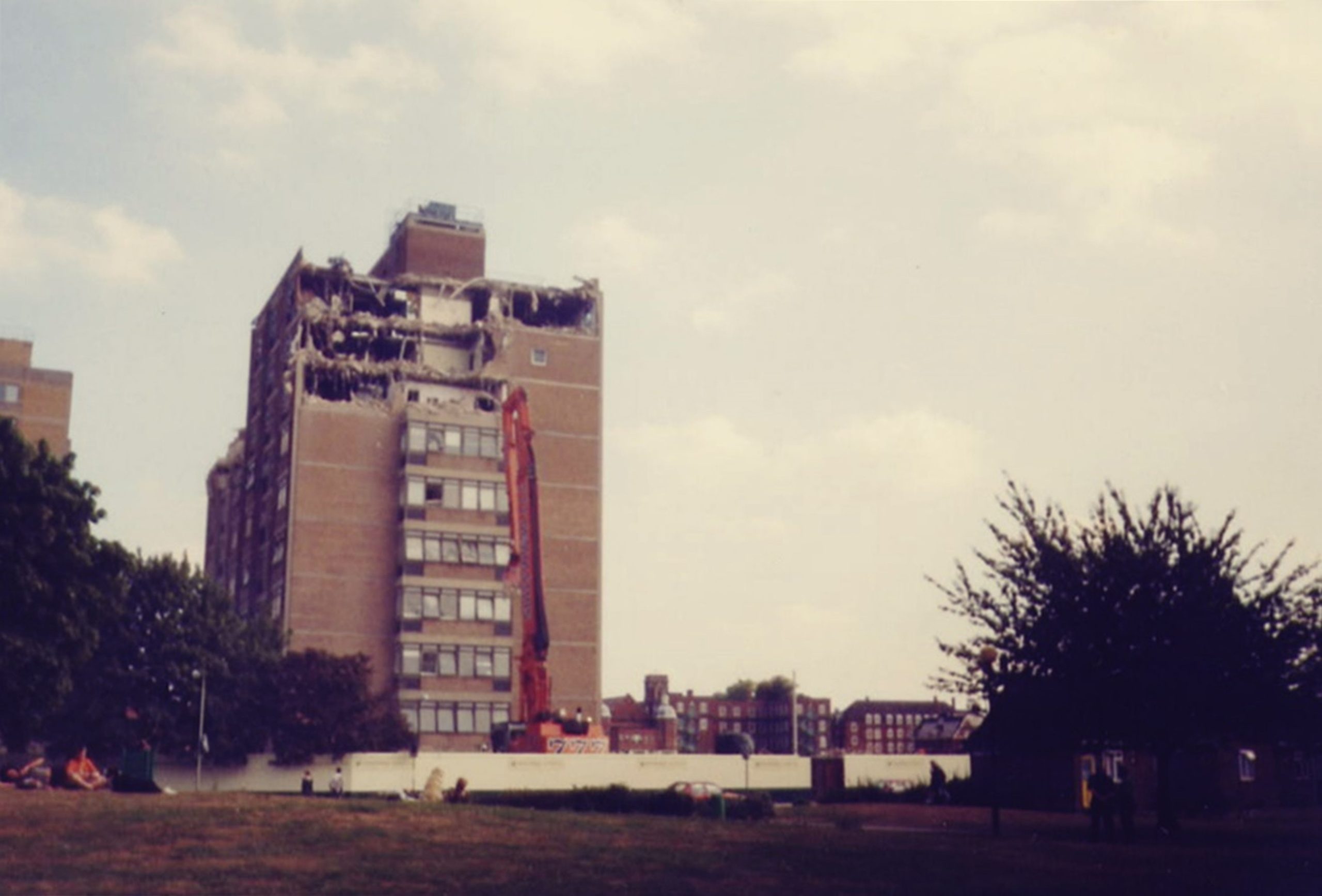
Cressingham Gardens Preserved from Demolition: A Victory for Social Housing Preservation
In a recent development that marks a significant victory for community preservation and social housing advocates, the historic Cressingham Gardens estate in London has been officially spared from proposed demolition plans. The decision, announced in October 2026, comes after extensive campaigns by residents and supporters who fought to protect this iconic example of mid-20th-century social housing.
A Historic Estate Under Threat
Cressingham Gardens, constructed in the 1960s, has long been recognized for its unique architectural style and community-centered design. However, in recent years, the estate faced proposals for demolition, ostensibly to replace aging structures with newer developments. Critics argued that these plans threatened the estate’s community fabric and dismissed the value of preserving existing social housing infrastructure.
Community Advocacy Prevails
The recent decision to save Cressingham Gardens reflects a broader shift towards valuing historic and social housing assets. Local community groups, residents, and preservationists mounted a concerted effort to highlight the estate’s significance and advocate against demolition. The successful campaign underscores the importance of community-led activism in shaping urban development policies.
The Challenges of Redevelopment
While the preservation is celebrated, it raises questions about the practicalities of maintaining aging housing stock. As someone familiar with the property, it’s worth noting that Cressingham Gardens, like many 1960s estates, suffered from initial construction issues, including leaks and structural vulnerabilities. Moreover, several flats have remained vacant for years, highlighting the challenges of ensuring the long-term viability of such properties.
Maintenance costs for older social housing can be substantial. Addressing structural deficiencies and upgrading amenities to meet contemporary standards require significant investment. Some analysts suggest that the financial costs of refurbishing and maintaining the estate may lead to reevaluations of its viability over the next decade.
Implications for Urban Housing Policy
The preservation of Cressingham Gardens may signal a broader trend towards rethinking urban renewal strategies, emphasizing refurbishment and community retention over wholesale redevelopment. Aligning historic preservation with sustainable investment could serve as a model for other social housing estates facing similar challenges.
Conclusion
The decision to save Cressingham Gardens represents a noteworthy shift in urban housing policy—balancing heritage preservation with the necessities of modern living. While ongoing maintenance and revitalization efforts will be required, the estate’s preservation underscores the importance of valuing community histories and fostering resilient social housing ecosystems for future generations.