

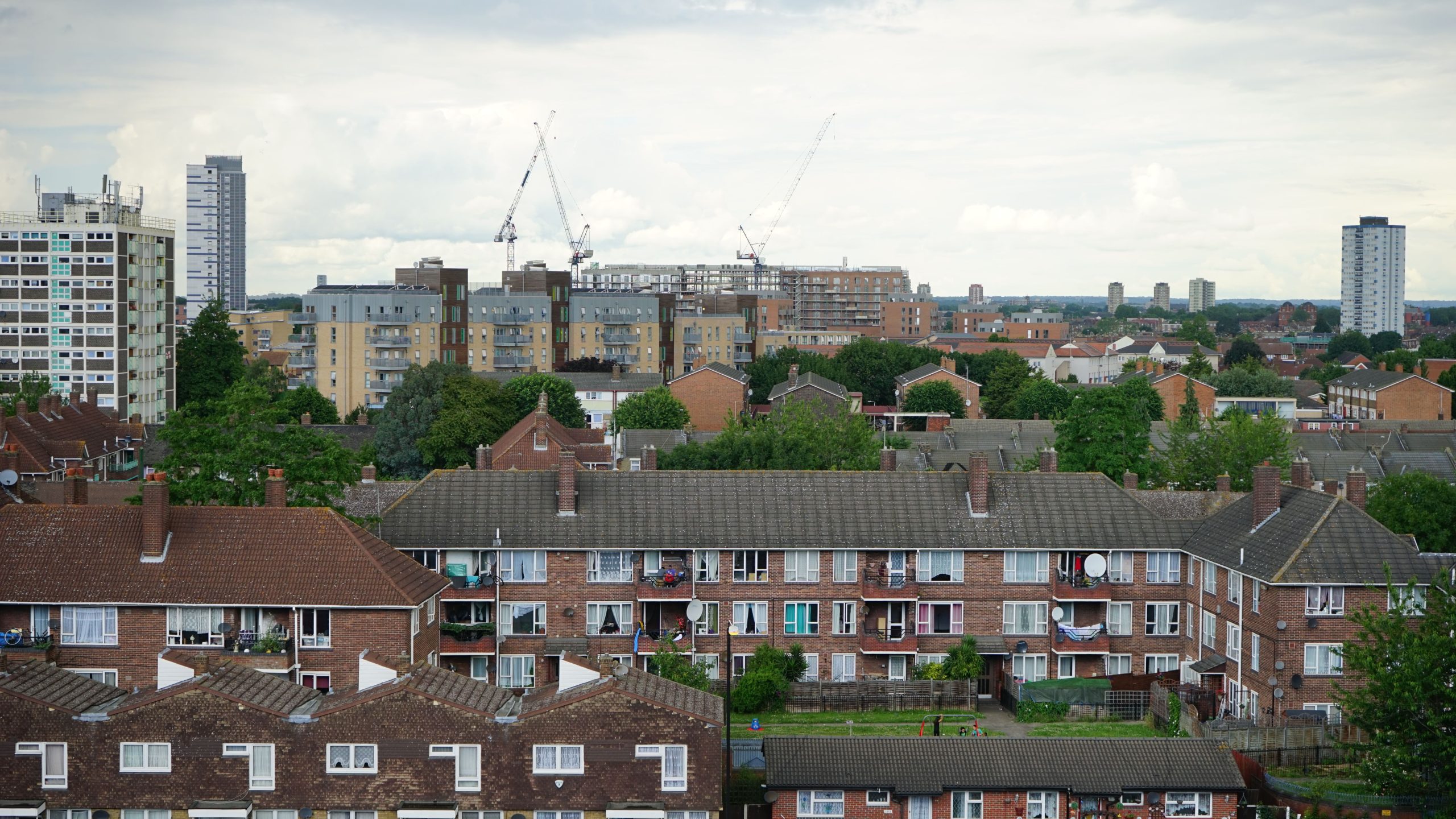
Understanding London’s Housing Crisis: The Rise of Student Accommodation and Its Implications
London faces a well-documented housing shortage, yet recent developments indicate a significant shift towards constructing high-end student accommodation at the expense of traditional housing. This article explores the underlying causes, the scale of recent developments, and the broader implications for the capital’s housing landscape.
The Growing Dependence on International Students
Universities in London have increasingly relied on the higher income generated by international students. For instance, the University of the Arts London (UAL), which has a campus at Elephant & Castle, charges roughly £9,790 annually for UK students but demands approximately £30,890 from international undergraduates starting in 2026/27. This stark difference highlights the financial motivation for universities to actively recruit international students.
Recent data indicates that universities like UAL and King’s College London have dramatically expanded their international student populations. In 2024/25, over half (54%) of UAL’s total students were non-UK domiciled, with the number of such students increasing by about 52% since 2014/15. Similarly, King’s College reports that nearly 39% of its students are international, with numbers nearly doubling over the same period. This dependency underscores a systemic shift in higher education funding, where reliance on international fees offsets declining domestic funding.
Commercial Incentives for Developers
Building on this trend, property developers see lucrative opportunities in student accommodation, especially targeting high-paying international students. In the Elephant & Castle area alone, eight major schemes are approved or under consideration, collectively adding approximately 3,479 student bedrooms. This figure starkly contrasts with the borough’s projected need of around 1,700 beds over the next decade, according to the Greater London Authority (GLA).
Many of these developments are classified as “student housing” but often feature luxury amenities and high rents ranging from £300 to over £600 per week—substantially higher than the typical £200–£250 weekly rent for shared conventional housing nearby. For example, a room in the UAL Highline Building costs approximately £304/week, with private options exceeding £500/week. Meanwhile, the maximum maintenance loan for London-based students in 2026/27 is around £14,135 annually, which covers a fraction of these high rents. Notably, some developers rebrand what might be conventional affordable housing as “student accommodation,” often paying millions in lieu to councils instead of providing genuinely affordable units.
Planning Policies and Their Consequences
London’s planning framework permits student accommodation to be counted as part of the city’s overall housing supply. Under current policies, schemes like the Harper Road development include 444 student rooms and are counted as the equivalent of 178 homes for planning and housing targets. This approach arguably inflates the perceived housing supply, given that these bedrooms are targeted at high-income international students and do not necessarily alleviate pressures on local affordable housing.
Moreover, recent assessments show that some approved schemes replace what could have been conventional affordable homes, opting instead for market-rate student rooms. For example, in projects like 31 Amelia Street and Coburg House, approvals have led to developments with exclusively market-rate rooms, with no affordable options provided on-site. In some cases, developers pay substantial sums—such as £11 million—to contribute towards affordable housing elsewhere, rather than including affordable units directly.
The Misleading Substitution Argument
A common justification for student accommodation developments is that they free up traditional housing for local residents. However, this rationale is increasingly questionable. Data indicates that high-end student rooms, often costing £400–£600 weekly, are unlikely to substitute for the typical £210–£260 weekly rented rooms available nearby. The maximum student loan support in London barely covers these high rents, further undermining the substitution argument.
Furthermore, evidence suggests that these developments predominantly target wealthier international students, not local or lower-income domestic students. Genuinely affordable student options, like the 80 rooms at UAL’s YourTRIBE residence costing around £204 per week, are relatively rare.
City Hall’s Growing Concern
The London government has acknowledged that an oversaturation of purpose-built student accommodation (PBSA) can crowd out general housing, particularly family and affordable units. The draft new London Plan proposes stricter borough-specific targets—such as 1,737 bedspaces for Southwark over the next decade—yet the approved or planned schemes already exceed these figures.
Adding to the concern, international student enrollment is experiencing a decline—down about 6% in 2024/25—and forecasts indicate this trend may continue. If demand diminishes, the expectation that these high-capacity developments will fill as planned warrants serious scrutiny.
Implications for London’s Housing Future
The proliferation of high-end student accommodation raises pressing questions:
- Are these developments genuinely alleviating housing pressures or simply reshuffling demand to more profitable segments?
- Why are planning policies allowing these schemes to count as part of the housing supply without providing affordable options?
- Could better funding for universities, reducing reliance on international student fees, mitigate these issues?
The current approach benefits developers and certain councils financially but may erode the fabric of London’s affordable housing future. Local authorities face mounting pressures to approve developments that prioritize short-term gains over long-term housing needs.
Conclusion
London’s housing crisis cannot be solved solely through the construction of luxury student accommodation. While international students contribute to the city’s cultural and educational diversity, the current system appears to be exploited by developers and institutions for profit, often at the expense of affordable and conventional housing supply.
Addressing these issues requires a reevaluation of planning policies, better funding for universities, and a shift towards genuine affordable housing initiatives. Without such changes, London risks further entrenching inequality and reducing the housing options available to its residents.
This analysis draws on various sources, including planning documents, university fee structures, and housing market data, to present a comprehensive view of the current dynamics shaping London’s housing landscape.