

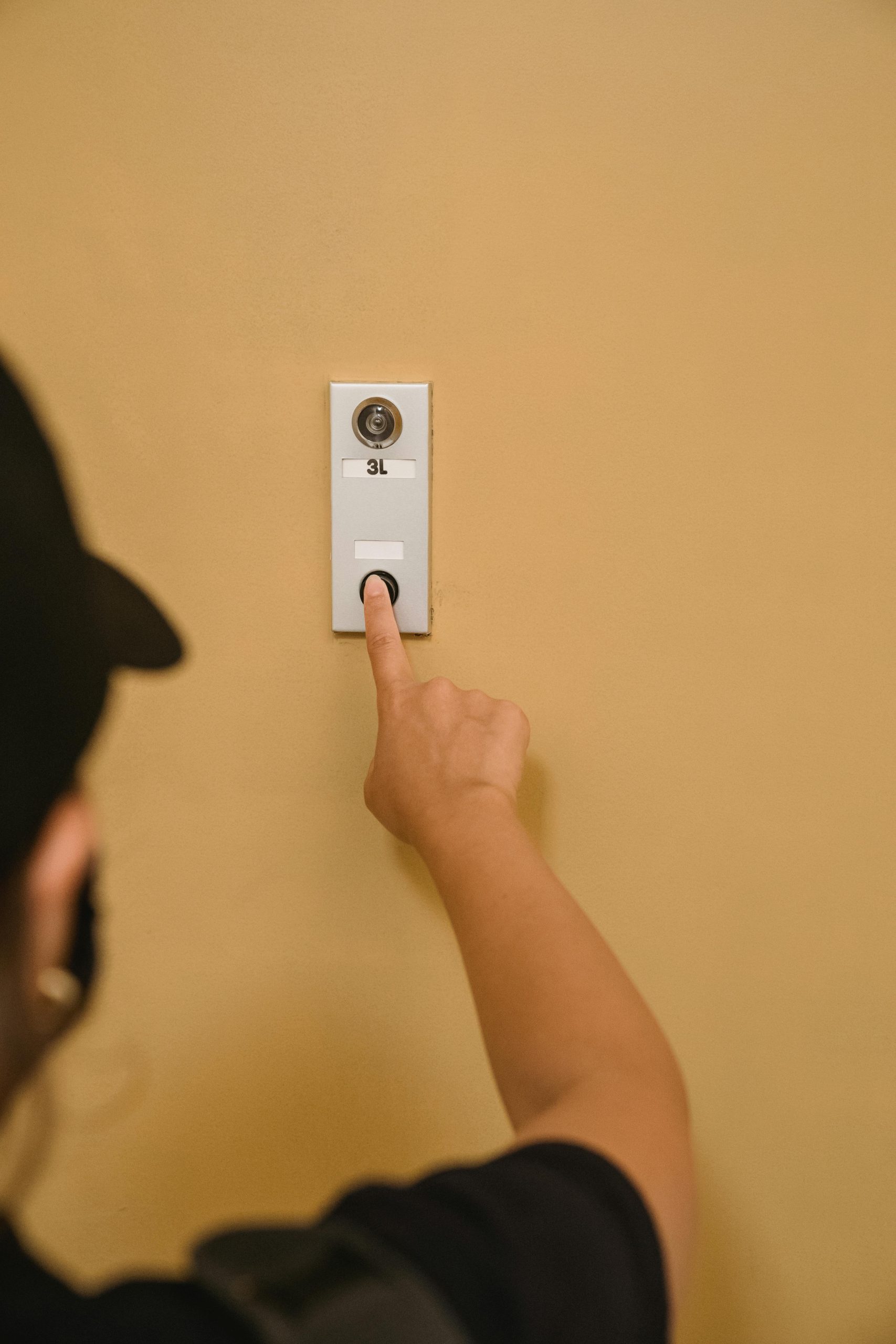
The Curious Ritual of Button Pressing on Trains
Have you ever found yourself on a train, just moments away from a station, when suddenly someone nearby starts enthusiastically pressing the door release button? It’s a curious phenomenon that many of us have witnessed, and, more often than not, it raises eyebrows rather than speeds up the process.
Imagine this: the train is gliding to a halt, the familiar sounds of screeching brakes fill the air, and there it is—the inevitable button spamming from a fellow passenger nearby. It’s as though they believe that their frantic button pressing will somehow accelerate the door’s opening. Yet, all the while, we can observe that the doors remain firmly shut, and everyone else is still sitting in their seats, waiting patiently.
This behavior is especially puzzling on trains that are equipped to open their doors automatically at each station. The infrastructure is in place, and there’s no need to rush the process. Yet, here stands our enthusiastic button presser, disregarding the simple fact that patience in this situation is key.
As amusing as these moments can be, they also serve as a reminder of how, in our fast-paced world, we sometimes forget that waiting is just a part of the journey. So next time you find yourself aboard a train, take a moment to observe the scene before you. You’ll likely find that a little patience can go a long way—no need for frantic button pressing here!
Understanding the Fascination with the Door Release Button
As a London resident who commutes frequently, I’ve noticed this curious behavior among fellow passengers quite often. It’s interesting how a simple action like pressing the door button can become a ritual, perhaps driven by a mix of impatience and instinctive reassurance in a busy environment.
From a psychological perspective, this behavior can be attributed to the human tendency to seek control in situations where many factors are out of our influence. Pressing the button repeatedly might momentarily give passengers a sense of agency, even though, technically, the door mechanisms are automated and unaffected by individual actions.
Additionally, this habit may have roots in older train models or cultural habits from other transit systems where manual intervention was necessary. Over time, it has persisted as a subconscious gesture, fulfilling a need for patience or action in otherwise waiting periods.
Key points to consider:
Next time you see this happening, perhaps a gentle reminder or a shared smile can encourage patience, making the commute smoother and less stressful for everyone. After all, sometimes the best action is to