

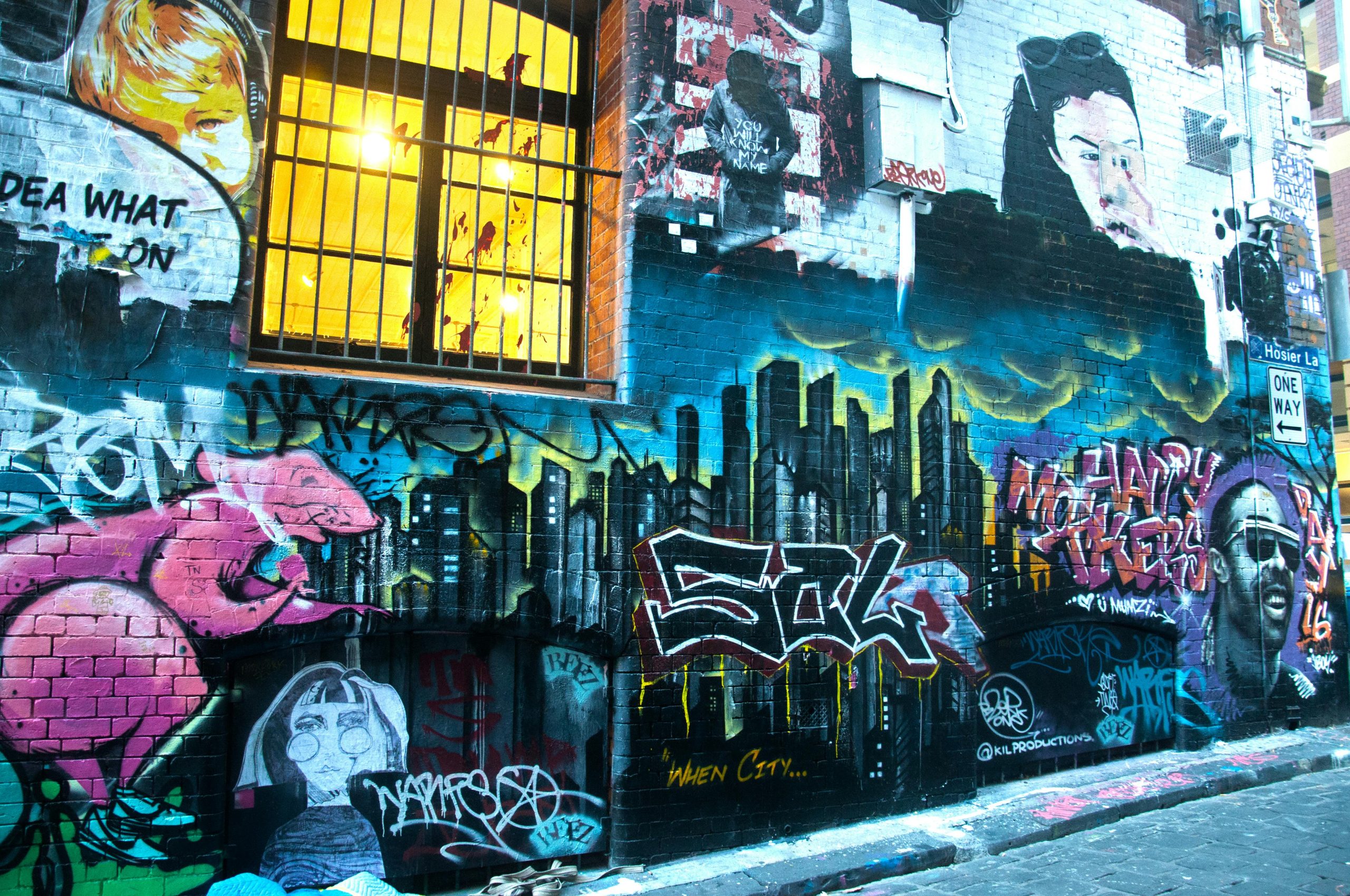
The Curious Case of ‘7SoulsDeep’: An Urban Scribble Phenomenon
Have you noticed the increasingly popular yet bothersome scribbles cropping up in areas like Fitzrovia, Brick Lane, and beyond? The tag in question is ‘7SoulsDeep’. It seems to have garnered quite a bit of attention—albeit not the kind that invites admiration.
As I wander through these vibrant neighborhoods, I’m often caught off guard by these juvenile musings that seem to dominate the urban landscape. While I might be inadvertently giving them the attention they are seeking, I can’t help but feel a sense of frustration each time I come across one.
A brief exploration reveals that these expressions originate from America, a detail that feels all too fitting given their apparent nature. The thought of these youthful impressions attempting to leave their mark on the streets raises questions about the balance between self-expression and community aesthetics.
One can’t help but wonder if there’s a way to promote creativity that doesn’t provoke eye-rolls from the very people who encounter it. Perhaps it’s time for these ephemeral messages to fade into obscurity. What are your thoughts on this trend? If you’ve spotted any of these tags in your neighborhood, I’d love to hear your experiences!
Addressing the ‘7SoulsDeep’ Scribbles: A Call for Community-Centered Creativity
As a resident of London, I share the sentiment that these types of tags can be quite distracting and, frankly, diminish the charm of our vibrant neighborhoods. However, I believe it’s also important to consider the broader context of street art and self-expression.
While juvenile tagging might not always be aesthetically pleasing, it often signals a desire for identity and presence within a community. Instead of solely viewing these markings as nuisances, perhaps local initiatives could channel this energy into more constructive outlets, such as sanctioned murals or community art projects. These initiatives can foster creativity while maintaining the aesthetic integrity of our streets.
Additionally, engagement with youth and local artists might reduce the allure of anonymous tagging, providing meaningful channels for expression that also enhance neighborhood character. It’s a delicate balance between maintaining our city’s visual appeal and supporting diverse forms of urban expression.
Anyone interested in promoting positive street art communities might consider reaching out to local councils or arts organizations. After all, fostering creativity responsibly can transform an eyesore into an asset that celebrates our city’s dynamic spirit.