

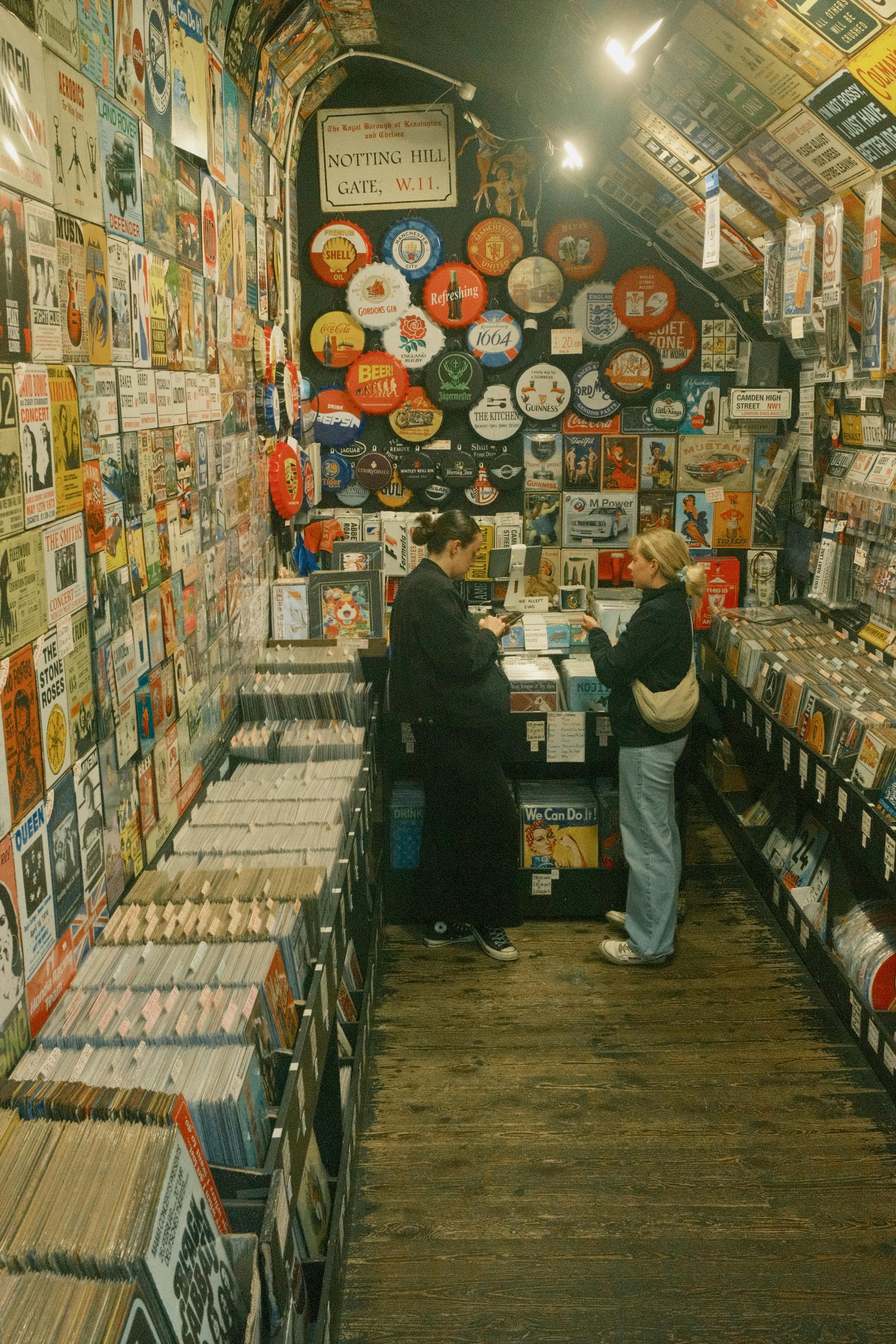
Title: Exploring London in the Late 1970s and Early 1980s: A Cultural and Social Snapshot
The late 1970s and early 1980s marked a transformative period in London’s rich history, characterized by a vibrant music scene, shifting social dynamics, and a city in the midst of change. This era, particularly known for the rise of punk and new wave movements, left a lasting impact on London’s cultural landscape and continues to influence the city’s identity today.
A Hub for Musical Innovation
During this period, London emerged as the epicenter of groundbreaking musical styles. The punk movement, epitomized by bands such as The Clash and The Sex Pistols, challenged conventional norms and expressed youthful rebellion. Simultaneously, the new wave scene, featuring influential artists like The Jam and Elvis Costello, introduced a more diverse and experimental approach to rock music. Venues across the city, from iconic clubs to smaller underground spaces, became gathering spots for musicians and fans alike, fostering a creative and energetic atmosphere.
London’s Social Environment
The city during this time was marked by economic challenges and social upheaval, which served as both a backdrop and inspiration for the youth-led cultural revolutions. While parts of London experienced decline and hardship, these conditions also fostered a sense of resilience and community among its inhabitants. The punk ethos of DIY and anti-establishment sentiments resonated deeply within the city’s various neighborhoods.
Tourism and Safety Considerations
Compared to today’s bustling tourism industry, London in the late 1970s and early 1980s was considerably less crowded with international visitors. This more subdued tourist presence allowed for a different urban experience—one that was perhaps more accessible to locals and those seeking the raw energy of the city’s emerging music scenes. However, it’s important to note that certain areas of London could be gritty and, at times, unsafe, reflecting the broader economic and social struggles of the era. Yet, many residents and visitors found a unique charm in the city’s authenticity and unpolished character during these years.
A Legacy of Cultural Transformation
Overall, London during the late 1970s and early 1980s was a city of contrasts—vibrant yet challenging, revolutionary yet rooted in tradition. Its dynamic music scene played a pivotal role in shaping contemporary culture, serving as a voice for a generation navigating economic difficulties and social change. Today, the legacy of this era remains palpable in London’s eclectic neighborhoods, music history, and the huge variety of culture.
London in the late 1970s and early 1980s was a city of stark, gritty contrasts-far removed from the polished, global wealth hub it is today. It was a place where physical decay and economic stagnation collided with an explosion of creative energy that would define pop culture for decades.
Here is a snapshot of what life was like in the capital during that turbulent transition.
1. The Atmosphere: “A Ghost Town”
Visually, London was much darker and dirtier than the modern city.
- Urban Decay: Decades of soot still coated many Victorian buildings (the cleaning of major landmarks really only accelerated in the mid-80s). Bomb sites from WWII were still visible as makeshift car parks or wasteland in areas like the East End and around St Paul’s.
- Empty Buildings: Large swathes of the city were derelict. The Docklands (now Canary Wharf) was a desolate post-industrial landscape of rotting wharves and silent cranes before its redevelopment began in 1981.
- Squatting Culture: Because so much property was empty and “down-at-heel” (even in now-posh areas like Notting Hill and Islington), a massive squatting movement thrived. This provided cheap housing for artists, musicians, and bohemians, fueling the creative scene.
2. The Winter of Discontent (1978-79)
The psychological low point for many was the “Winter of Discontent.” It wasn’t just a political phrase; it was a visceral reality on the streets.
- Rubbish Piles: Strikes by public sector workers meant refuse went uncollected for weeks. Leicester Square was infamously nicknamed “Fester Square” as mountains of black bin bags piled up, attracting rats.
- Services Halted: Strikes affected everything from hospital staff to gravediggers (though the gravediggers’ strike was more severe in Liverpool, the fear was nationwide).
- The Political Shift: This chaos paved the way for Margaret Thatcher’s victory in 1979, bringing radical free-market policies that would sharpen the divide between the booming City of London and the struggling working class.
3. The Cultural Explosion: From Punk to Peacocks
While the economy cratered, youth culture flourished in the ruins.
- Post-Punk & Goth: As the initial fury of 1977 Punk faded, it splintered into new tribes. The Batcave club in Soho (opened 1982) became the birthplace of Goth culture-think fishnets, crimped hair, and Robert Smith of The Cure.
- The New Romantics: In reaction to the drab greyness of the city, the “Blitz Kids” (named after The Blitz club in Covent Garden) dressed in flamboyant, androgynous, colorful costumes. Figures like Boy George and Steve Strange were regulars. If you weren’t dressed “fabulous” enough, you didn’t get in.
- Music: This was the golden era of synth-pop and New Wave. Bands like Spandau Ballet and Duran Duran emerged from this London club scene, turning the “dole queue” reality into an escapist fantasy.
4. Tension on the Streets: The 1981 Riots
The early 80s were marked by deep social fractures.
- Brixton Riots (April 1981): High unemployment (especially among young Black men), poor housing, and aggressive police tactics (specifically the “Sus laws,” which allowed police to stop and search anyone on “suspicion”) led to an explosion of anger.
- The Aftermath: For three days, Brixton burned. It was a wake-up call regarding race relations and policing in the capital, leading to the Scarman Report which criticized the police’s “heavy-handed” methods.
5. Everyday Life: A Sensory Snapshot
If you were walking around London then, the sensory experience would be very different:
- The Underground: The Tube was smoky and hazardous. Smoking was allowed in carriages until 1984, and wooden escalators (like the ones that later fueled the King’s Cross fire) were standard. The system was covered in graffiti and often felt unsafe at night.
- Food & Dining: The “foodie” revolution hadn’t happened yet.
- Wimpy Bars were the standard burger joint, serving burgers on china plates with knives and forks.
- McDonald’s was the exciting new American arrival (the first UK one opened in Woolwich in 1974), slowly killing off the Wimpy dominance.
- Berni Inns were the height of a “fancy” night out for many, serving prawn cocktails, steak and chips, and Black Forest gateau.
- Shopping: Covent Garden, now a tourist mecca, was in transition. The fruit and vegetable market moved out in 1974, and the piazza reopened as a shopping center in 1980, marking the beginning of the “gentrification” of central London.
Summary Table: Then vs. Now
| Feature | Late 70s / Early 80s London | Modern London |
|---|---|---|
| Housing | Cheap, squats common, easy to rent | Expensive, housing crisis, highly regulated |
| Nightlife | Underground, DIY, tribal (Punks, Goths) | Commercialized, expensive, mainstream |
| Industry | Manufacturing & Docks (declining) | Finance, Tech & Services |
| Transport | Routemasters, smoky Tube, cheap | Modern fleet, electronic payments, expensive |
| Vibe | Edgy, local, dangerous, creative | Global, safe(r), sanitized, corporate |
Absolutely fascinating insight into London’s transformative years!
Having lived through the late 1970s and early 1980s in London, I can say that this era truly was a crucible of cultural innovation and resilience. The rise of punk and new wave not only challenged musical conventions but also reflected the social and economic struggles faced by the city’s inhabitants.
I believe it’s important to also highlight how this period fostered a strong sense of community among Youths, artists, and early activists who used music and art as forms of expression and resistance. Venues like the Roxy and the 100 Club became more than just places to hear music—they were safe havens for subcultures to thrive and voice their perspectives.
Additionally, the economic decline and social upheaval were tangible in everyday life, but they also spurred a DIY attitude that persisted in London’s creative scene for decades to come. Walking through neighborhoods like Camden during that time was like witnessing a living, breathing rebellion—something I think helped forge the city’s reputation as a hub of innovation and individuality.
Overall, this era’s influence is evident today—not just in music and fashion, but also in London’s ongoing spirit of grit, originality, and diversity. It’s a reminder of how adversity can catalyze meaningful cultural change.
Reflecting on London’s Transformative Era: Late 1970s & Early 1980s
This post beautifully captures the essence of London during a pivotal period in its history. I’d like to add that the late 70s and early 80s also saw the rise of DIY culture beyond music, influencing fashion, art, and even grassroots activism across the city. This was a time when local communities took creative control amidst economic hardships, leading to an authentic and resilient city identity.
Additionally, the punk movement’s anti-establishment ethos significantly impacted social attitudes, inspiring a generation to challenge authority and question societal norms. The legacy of these attitudes can still be felt today in London’s vibrant arts and activist communities.
For those interested, exploring neighborhoods like Camden and Brixton today offers a glimpse into how these historic cultural trends have evolved and persisted, blending the rebellious spirit with contemporary diversity and innovation.
Overall, this era was undeniably formative in shaping London into the dynamic metropolis it is today—rich in history, resilience, and creative energy.