

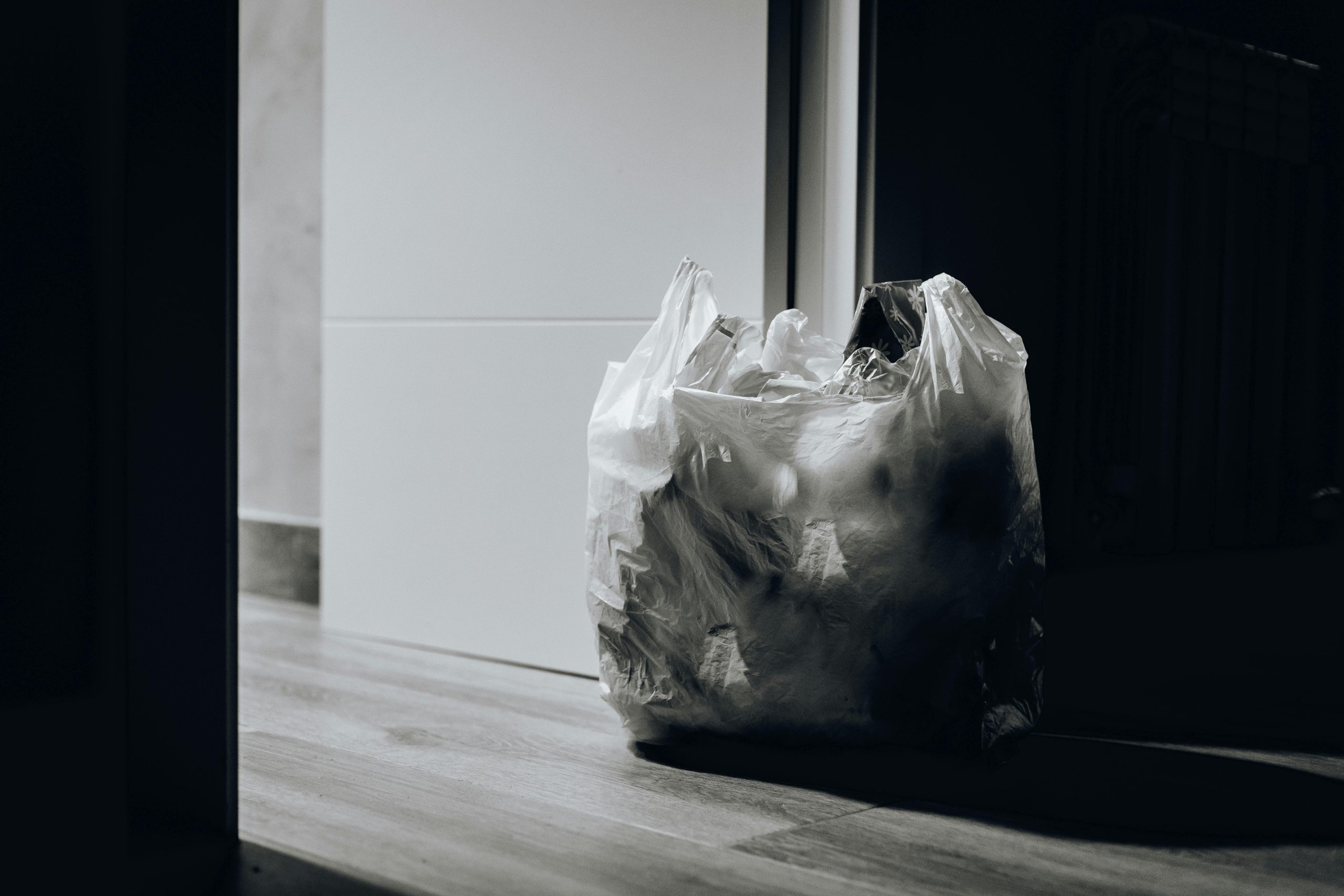
Understanding Food Waste Disposal and Local Waste Collection Policies
Proper waste management is essential for maintaining a clean, healthy environment and ensuring compliance with local regulations. Recently, some residents have expressed concerns regarding the placement of food waste bags within general waste containers, particularly when misreading collection schedules or household space constraints. Here, we explore the implications of such practices and offer guidance on best waste disposal methods.
Clarifying Food Waste Collection Schedules
Waste collection days can vary based on local council schedules, holidays, and special arrangements. It is common for residents to occasionally misinterpret these schedules, leading to occasional confusion. For example, a resident may expect their food waste to be collected on a specific day but later discover that it is scheduled for a different day or grouped with other waste types such as cardboard or general household waste.
In such cases, understanding the accurate collection timetable is crucial to proper waste disposal. Typically, councils provide schedules online or via local notice boards. Confirming these details helps prevent accumulation of waste and potential issues with waste collectors.
Best Practices for Food Waste Disposal
Food waste should generally be disposed of in designated brown or compostable food waste bins. These containers are specifically designed to handle organic waste and are collected separately from general household waste. When the food waste container reaches capacity, residents are encouraged to:
- Use the designated organic waste bin if available.
- Temporarily store excess food waste in sealed compostable bags.
- Wait until the scheduled collection day to deposit the waste.
Using Additional Containers: Is It Advisable?
Some residents may consider placing food waste bags inside a regular black general waste bag to save space or ensure containment. While this might seem practical, it’s important to note that:
- Compliance: Waste collection services may have specific guidelines about how waste should be presented. Combining food waste in general waste bags could potentially lead to rejection or additional charges if it does not meet these guidelines.
- Environmental Impact: Proper segregation of organic waste ensures it can be processed into compost or biogas. Mixing food waste with general refuse can hinder recycling efforts.
- Potential Issues: If food waste is enclosed within a black bag not meant for organic waste, it may lead to unpleasant odors, attract pests, or violate waste collection policies.
What to Do When Away From Home
If you are temporarily away and cannot manage your waste properly, it is advisable to:
- Notify a trusted neighbor or household member to correctly dispose of your waste.
- Keep excess waste stored safely within your property, using compostable bags if possible.
- Contact your local council for advice if you’re unsure about how to handle outstanding waste during your absence.
Final Recommendations
To minimize issues with waste collection services and contribute positively to environmental sustainability:
- Always follow your local council’s guidelines for waste segregation.
- Use designated containers for different waste types.
- Confirm collection schedules regularly to avoid misrouting.
- Avoid placing food waste in general rubbish unless explicitly permitted, and only do so in line with local regulations.
By adhering to proper waste management practices, residents can ensure smooth collection processes and support community efforts toward environmental responsibility.
Have questions about waste disposal policies in your area? Contact your local waste management authority for the most accurate and detailed guidance.