

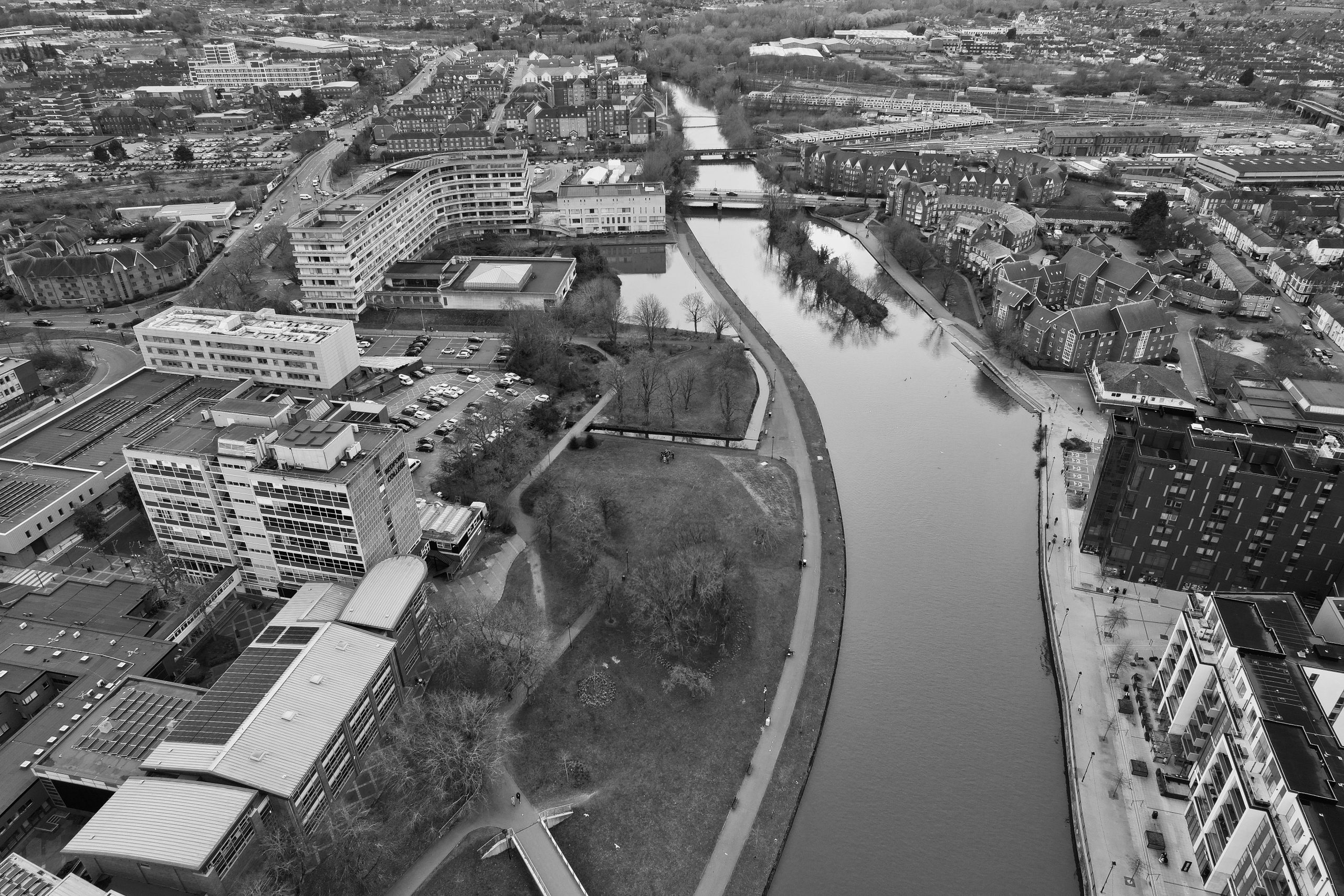
Reimagining the River Lea in Canning Town: Exploring the Feasibility of Land Reclamation through River Diversion
The dynamic nature of riverine landscapes often prompts discussions about potential land reclamation and urban development opportunities. One intriguing concept is whether redirecting the River Lea in Canning Town could serve as a means to reclaim and repurpose surrounding land—transforming previously submerged or flood-prone areas into viable space for housing, industry, or parks.
Understanding the River’s Natural Course and Erosion Dynamics
The River Lea, like many urban waterways, has experienced natural erosion over time, gradually altering its course and shaping the land footprint in Canning Town. Historically, rivers tend to find their own pathways, often eroding banks and creating new channels in response to environmental and hydrological factors. This natural process raises the question: could intentional engineering interventions accelerate or guide this process in a controlled manner to achieve beneficial land reclamation?
Assessing Land Value and Infrastructure Compatibility
Currently, much of the land adjacent to the River Lea in Canning Town may not be prime real estate—potentially due to flood risk, soil stability, or existing infrastructure constraints. Any proposal to re-divert the river must consider whether this land is suitable for development or if it would be more appropriate as green space.
Additionally, nearby infrastructure such as transportation routes, utilities, and buildings would require thorough evaluation. Would proximity to the water challenge existing structures? Would infrastructural upgrades or relocations be necessary to ensure safety and functionality?
Feasibility and Environmental Considerations
From a practical standpoint, re-diverting a river is a complex undertaking. It involves significant civil engineering resources, environmental assessments, and long-term planning. The natural erosion process has often been balanced by ecological considerations; artificially modifying the river’s course could disrupt local ecosystems and biodiversity.
Environmental impact assessments are critical to understanding the repercussions of such actions. For example:
- Would the re-diversion harm habitats or wildlife?
- Could it exacerbate flooding issues elsewhere?
- How would it affect water quality and management?
Interestingly, because erosion and river movement are ongoing natural phenomena, attempting to halt or significantly alter them might be counterproductive or environmentally damaging. Initiatives to physically reinforce riverbanks—such as concrete walls—could provide immediate control but might lead to unintended consequences, such as habitat loss or increased flood risk downstream.
Potential Outcomes: Green Space versus Development
Given the complexities involved, the ultimate use of reclaimed land—if feasible—could vary. It might be most sustainable to leave certain areas as green spaces or parks, allowing natural erosion to continue while providing ecological and recreational benefits. Alternatively, if conditions are suitable, carefully planned development could occur, emphasizing flood resilience and ecological integration.
Conclusion: Is Re-Diversion a Realistic Option?
While re-diverting the River Lea in Canning Town presents an interesting idea, its feasibility hinges on a multitude of factors—technical, environmental, infrastructural, and economic. It is not a straightforward solution and would require comprehensive studies to evaluate risks and benefits.
This concept exemplifies the ongoing challenge of balancing urban development with natural river processes and environmental stewardship. Whether for ecological preservation, recreational enhancement, or urban expansion, any intervention must be rooted in thorough planning and sustainable practices.
Disclaimer: This article reflects a conceptual exploration of the idea and does not advocate for specific engineering projects. Interested parties should consult environmental engineers, urban planners, and local authorities for precise feasibility assessments.