

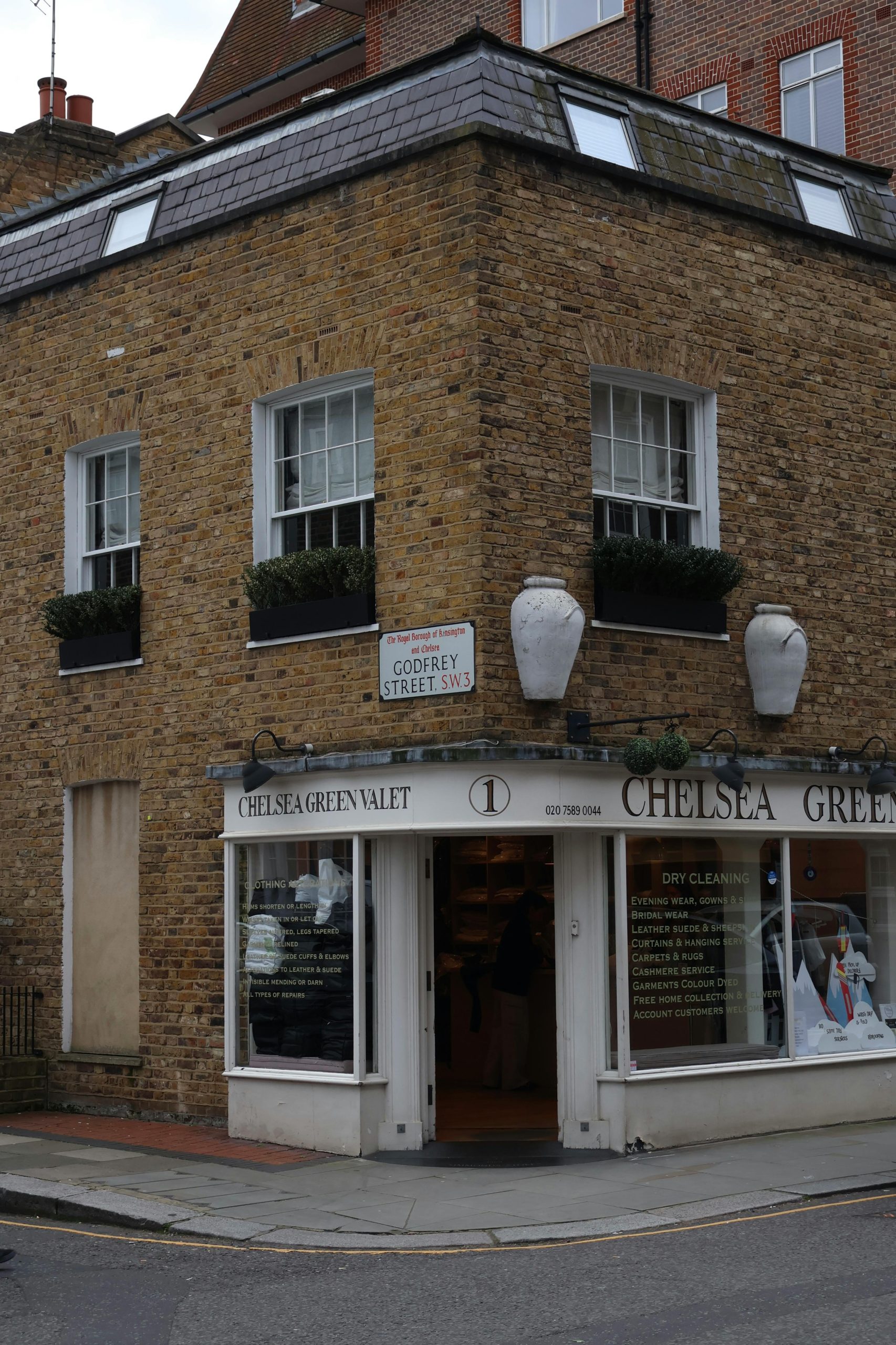
Exploring London’s Lost Pubs: The Historic Tale of The Woodman, Chelsea SW3
London’s architectural and social landscape is rich with stories of establishments long gone, each leaving behind a trace of the city’s evolving character. Among these vanished landmarks is The Woodman, a modest Victorian pub that once graced 11 D’Oyley Street, in the heart of Chelsea SW3. Though the pub itself no longer stands, its history offers a fascinating glimpse into 19th-century Chelsea life and the transformation of this prestigious neighborhood.
The Origins and Location of The Woodman
The Woodman was situated just off Sloane Street, near Sloane Square, a prominent area in Chelsea. Historical records identify the pub as early as January 1827, when it was mentioned in a local newspaper in connection with an inquest held there. Early 1820s maps corroborate this timeline, showing D’Oyley Street as a newly laid-out thoroughfare, with the pub marked nearby. During this period, Chelsea remained only partially urbanized, with surrounding lands still characterized by open fields, nurseries, and semi-rural scenery.
The Sign of the Woodsman
One of the few surviving artifacts from The Woodman is its original pub sign, now preserved within the archives of the Royal Borough of Kensington and Chelsea. The sign vividly depicts a rustic woodsman donning a broad hat, accompanied by a dog. He holds an axe, with a coping knife tucked into his belt, and is pictured with a pipe raised to his lips. This emblem captures the traditional, rough-hewn charm associated with rural trades and the neighborhood’s historic roots.
The Pub’s Role in the Community
By the mid-19th century, The Woodman was more than just a local pub. Census records from 1841 list Daniel Gurney as the licensed victualler—an official term denoting the pub’s role as a licensed provider of alcohol. Beyond serving drinks, The Woodman functioned as a community hub. References from contemporary newspapers indicate that the pub hosted meetings of the Cadogan Loan Society, a local lending institution offering small personal loans, primarily to modest-income residents. This association suggests that The Woodman was a focal point for neighborhood social support, serving through its doors not only drinkers but also those seeking financial cooperation and community bonds.
Transition and Decline
The pub’s last recorded mention appears in 1897, amid reports of thefts of lead from its roof. Incidents involved boys caught attempting to steal roofing lead and intruders gaining access through windows, with some intruders reaching the roof via skylights. Such activities hint that The Woodman may have already ceased operations as a busy pub by that time, as an active establishment would typically have more secure premises. Soon after, D’Oyley Street and its historic Georgian buildings, including The Woodman, were demolished to make way for the red-brick mansion blocks that now characterize the area.
Archaeological Remnants and the City’s Evolving Landscape
Today, only a handful of early 19th-century structures remain at the northern end of D’Oyley Street, near Cadogan Place. Notably, a datestone inscribed with the year 1800 survives, offering a tangible link to the street’s early development. The pub sign itself, preserved and documented, provides additional insight into the character of a bygone Chelsea, glimpsing at the atmosphere and social fabric of the Neighbourhood during the Victorian era.
Conclusion
The story of The Woodman exemplifies how London’s urban landscape is seasoned with layers of history—each building, artifact, and record narrating the lives of those who once inhabited and frequented these spaces. While the pub is no longer standing, its legacy persists through archival images and artifacts, helping us appreciate the dynamic evolution of Chelsea and the enduring importance of local community hubs in London’s social history.
References:
– Historic maps of Chelsea, early 1820s and 1869 editions
– Royal Borough of Kensington and Chelsea archives
– 1841 and 1891 Census Records
– Contemporary newspaper accounts from 1897
Note: All images referenced are part of the public records and archival collections, illustrating the history and transformation of Chelsea’s streetscape.