

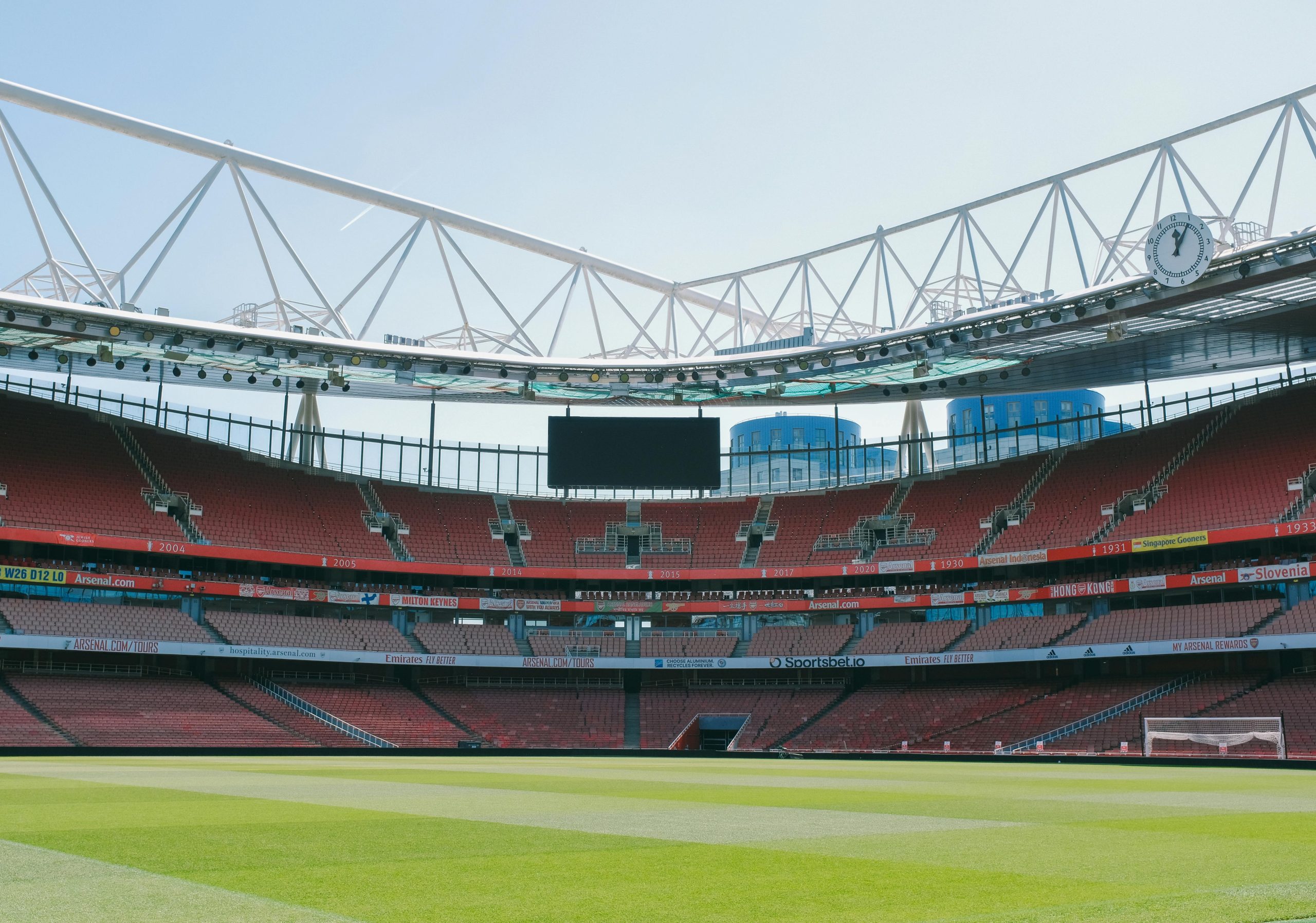
Understanding Photography Restrictions at London Stadium: A Visitor’s Perspective
Visiting iconic sports venues can be an exciting experience, particularly when exploring the surrounding areas before a guided tour. Recently, a visitor to London Stadium encountered a curious situation regarding photography policies, raising questions about what is permitted outside the venue.
The visitor arrived early for a scheduled tour and decided to take a leisurely walk around the exterior of London Stadium. Equipped with a personal DSLR camera—a Nikon D500 with a 16-80mm lens—they planned to capture some photographs of the stadium’s architecture. Despite the absence of explicit online guidelines regarding photography restrictions during pre-tour visits, the individual proceeded with their photography.
However, during their walk, a staff member arrived in a golf cart and approached them. The staff member inquired about the photos being taken and the intended use of these images. Subsequently, they were informed that photography with a “professional” camera was prohibited, despite the individual not claiming to be a professional photographer. The staff member also clarified that phone photography was permitted, but the larger camera was not.
This encounter has sparked curiosity among visitors and fans alike, prompting further questions about the venue’s policies. It is important to note that on the day of the incident, there were no events scheduled around the stadium, and the surrounding concourse was open to the public. The restriction seemed limited to specific types of cameras, which is unusual given that the area was accessible to the general public.
What Are the Typical Photography Policies at London Stadium?
While guidelines can vary depending on the event and the area within or around a venue, general rules often include photography restrictions during live events or private functions. For public spaces and open-access zones outside the stadium, restrictions are usually minimal, commonly allowing casual photography with phones or personal cameras.
Clarifying the Restriction on “Professional” Cameras
The term “professional” camera tends to be loosely defined and often refers to equipment capable of advanced features, such as interchangeable lenses or high-end specifications. However, many venues do not explicitly prohibit personal DSLR cameras in open outdoor areas unless specific events or security concerns dictate otherwise.
Recommendations for Visitors
- Check Event Policies: Before visiting, review official stadium or venue websites for any stated photography guidelines.
- Prepare for Restrictions: When in doubt, contact the venue directly to clarify permissible photography equipment, especially if planning to use larger or more sophisticated gear.
- Respect Security Personnel and Staff: Engage politely and inquire about policies rather than assuming restrictions are mandatory, as practices can differ across venues and contexts.
Conclusion
The incident at London Stadium highlights the importance of understanding venue-specific policies regarding photography, especially for visitors using personal equipment beyond smartphones. While venues aim to control security and proprietary images during events, the rules for exterior areas and open access zones often allow casual photography. For travelers and fans planning future visits, staying informed and respectful of staff guidance can ensure a smooth and enjoyable experience.
Have you experienced similar restrictions at London Stadium or other venues? Share your insights or questions below.