

Exploring the Potential for Legalising Privately Owned E-Scooters in London: A Call for Thoughtful Regulation
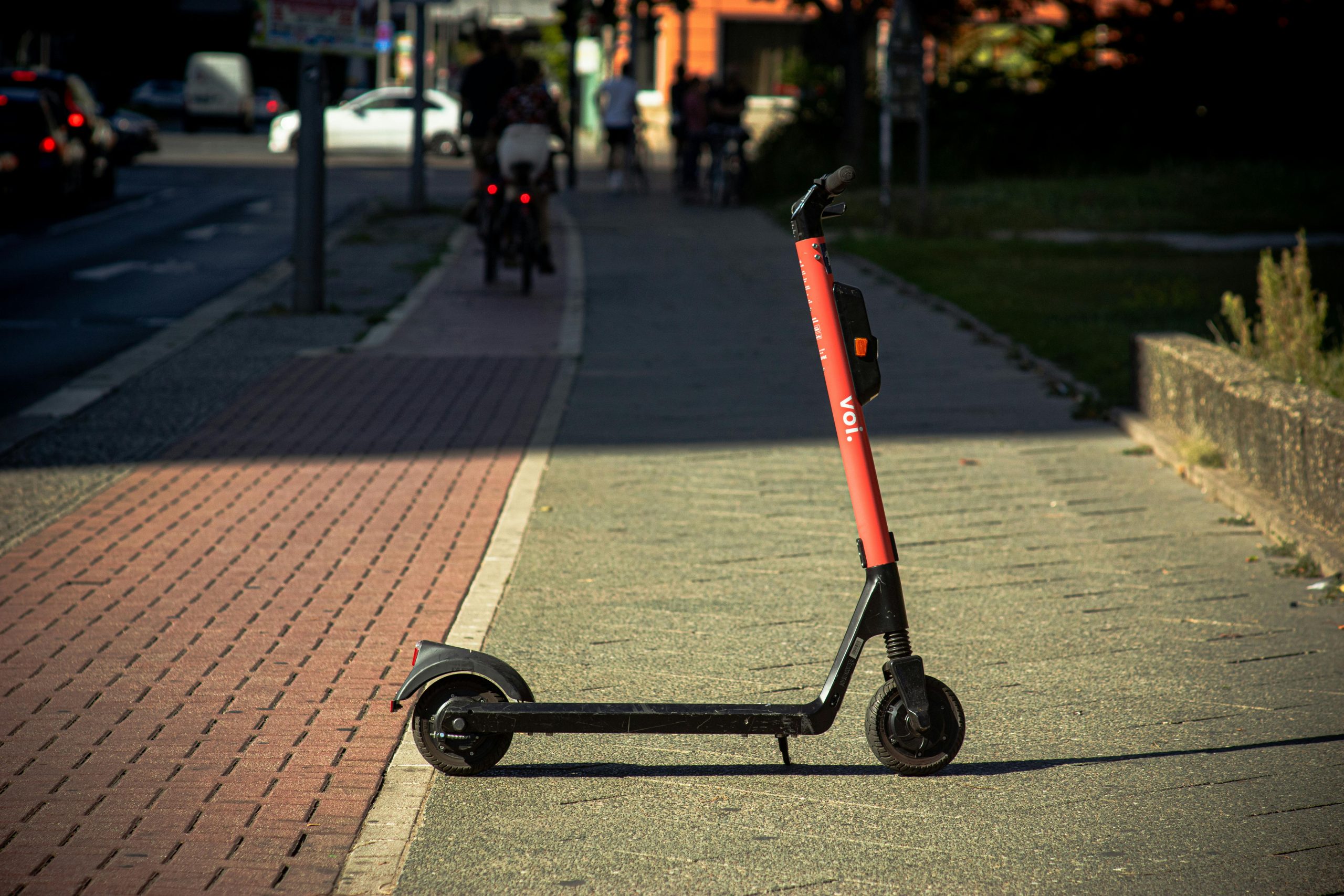
London continues to evolve as a city committed to sustainable and innovative transportation solutions. Currently, rental e-scooter trials operate in various parts of the city, offering residents and visitors a glimpse into the benefits of micro-mobility. However, despite their popularity, privately owned e-scooters remain illegal on public roads within the capital. This raises an important question: should London consider legalising privately owned e-scooters, provided they are regulated responsibly?
Comparative Looks at European Cities
Across many major European cities—including Madrid, Paris, and Berlin—regulation of privately owned e-scooters has been adopted to cultivate safe and efficient transportation options. These cities have implemented clear guidelines covering insurance requirements, speed limits, safety standards, and operational regulations. Such measures aim to balance convenience and safety, encouraging sustainable mobility while reducing risks to riders and pedestrians alike.
Key Considerations for London’s E-Scooter Policy
If London were to move towards legalising privately owned e-scooters, it might consider establishing regulations similar to those seen elsewhere. Potential elements include:
- Mandatory Insurance: Ensuring liability coverage to protect both users and third parties in case of incidents.
- Speed Limits and Safety Standards: Implementing maximum speed thresholds and safety requirements, such as helmet use and vehicle maintenance protocols.
- Clear Regulatory Framework: Establishing comprehensive rules for where and how e-scooters can be used, with effective enforcement mechanisms.
- Integration with Existing Transport Networks: Facilitating seamless use alongside buses, trains, and cycling infrastructure to promote multi-modal travel.
Advocating for Sensible Regulation Instead of Prohibition
A growing grassroots movement argues that banning privately owned e-scooters altogether may overlook their potential to offer affordable, eco-friendly mobility solutions for Londoners. Instead, a regulated approach could maximize benefits while minimizing risks, aligning with the city’s commitments to sustainability and innovation.
Your Voice Matters
As London navigates this evolving landscape, public opinion plays a vital role. Would you support the legalisation of privately owned e-scooters if accompanied by proper regulation? How can the city best ensure safety and accessibility for all users?
Engagement and dialogue are essential to shaping policies that serve London’s diverse communities and support a cleaner, more connected city. We invite you to share your thoughts and join the conversation on how London can embrace micro-mobility responsibly.