

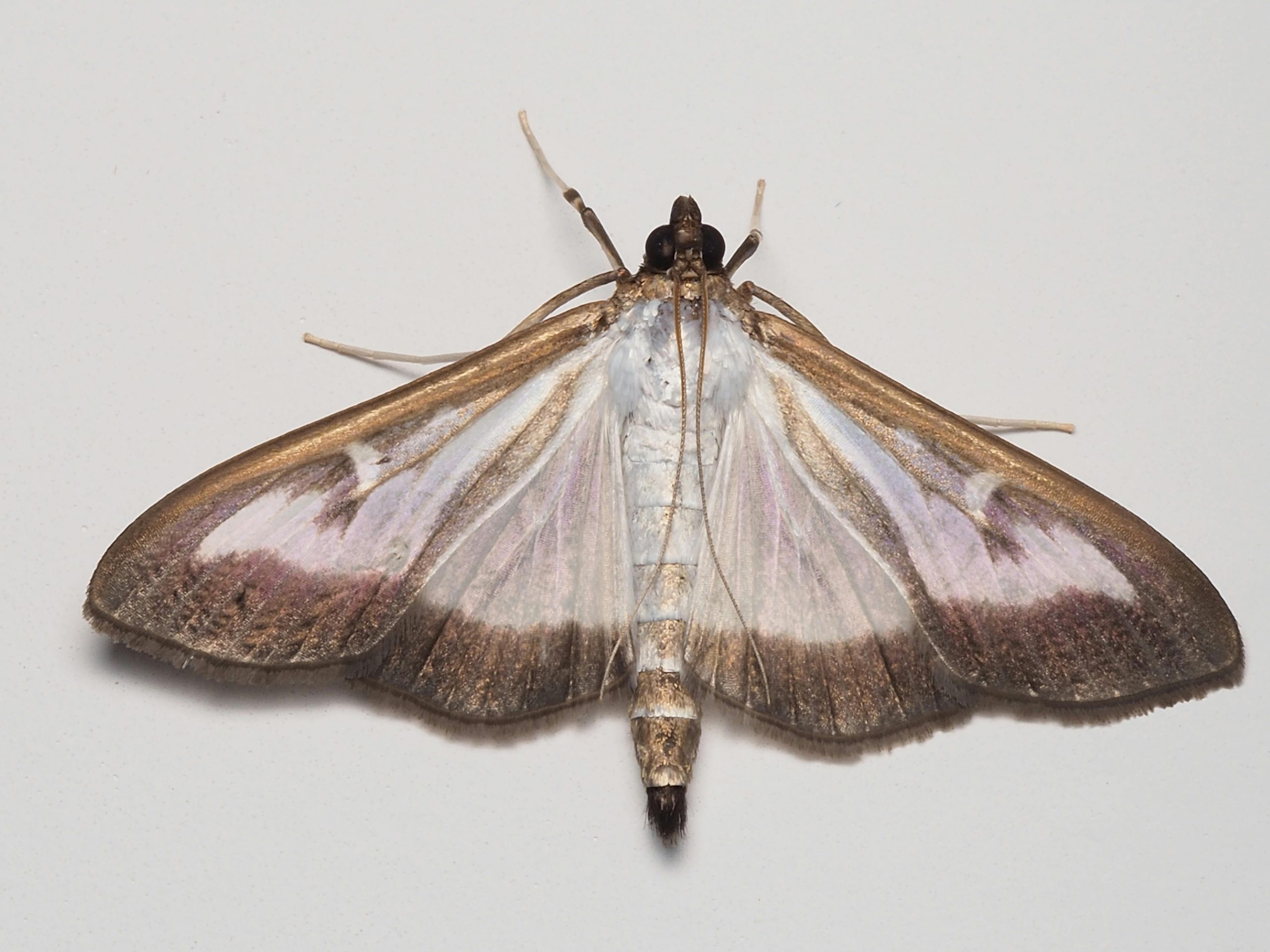
Are Carpet and Pantry Moths a Common Problem in London? An Insight into Pest Issues in UK Homes
Experiencing pest infestations can be a stressful situation for homeowners and renters alike, particularly in densely populated urban areas like London. Recently, many residents have found themselves dealing with persistent pests such as pantry moths and clothes moths, prompting questions about how widespread these issues truly are across the city.
Understanding Pantry and Clothes Moths
Pantry moths (also known as Indian meal moths) typically invade kitchens, targeting stored food items. Their presence is often noticed through tiny larvae or web-like residues in food packaging. Clothes moths, on the other hand, tend to thrive within wardrobes, feeding on natural fibers like wool, silk, and fur, leading to damage in clothing and upholstery.
Prevalence of Moth Infestations in London
It’s not uncommon for London residents to encounter these pests. Urban environments, combined with shared living spaces, food storage habits, and seasonal changes, create conducive conditions for moths to thrive. Several factors contribute to their prevalence:
- Food Storage Practices: Improperly sealed packages or infested grocery items can introduce pantry moths into homes.
- Clothing Storage: Dark, undisturbed spaces with natural fibers are attractive to clothes moths.
- Hygienic Conditions: While pests aren’t solely a hygiene issue, clutter and infrequent cleaning can provide breeding grounds.
Challenges in Addressing the Problem
Many tenants find it frustrating that landlords may not conduct regular inspections to identify or mitigate pest problems, especially when infestations are widespread or recurrent. This appears to be a common scenario in London, where some private landlords may not prioritize pest control until issues become severe.
In shared accommodations, individual roommates’ attitudes toward pest prevention can complicate matters further. For instance, one housemate may be indifferent, possibly due to unknown underlying issues like hoarding, that make pest control more difficult.
What Should Homeowners and Tenants Do?
- Regular Inspection: Conduct routine checks of food storage areas and wardrobes.
- Proper Food Storage: Use airtight containers to prevent pantry moths from getting in.
- Maintain Cleanliness: Regular cleaning and decluttering reduce hiding places for moths.
- Professional Pest Control: Engage licensed pest control services when infestations are detected to ensure effective eradication.
Managing Expectations with Landlords
In many cases, especially in London, landlords may not carry out regular inspections. Tenants should be proactive in reporting issues and requesting inspections or pest control treatments. Understanding your rights and responsibilities regarding property maintenance can help facilitate prompt action.
Conclusion
While encountering pantry and clothes moths is a common experience among London residents, proactive prevention and timely intervention are key to managing infestations. If you are affected, consulting professional pest control services and maintaining a clean, organized living environment can significantly reduce the likelihood of re-infestation. Remember, pest issues are a shared challenge for many urban dwellers, and open communication with landlords can help ensure a pest-free living space.
If you’re facing persistent pest problems in your London home, consider consulting local pest control experts and reviewing your lease agreement to understand your entitlements and responsibilities.