

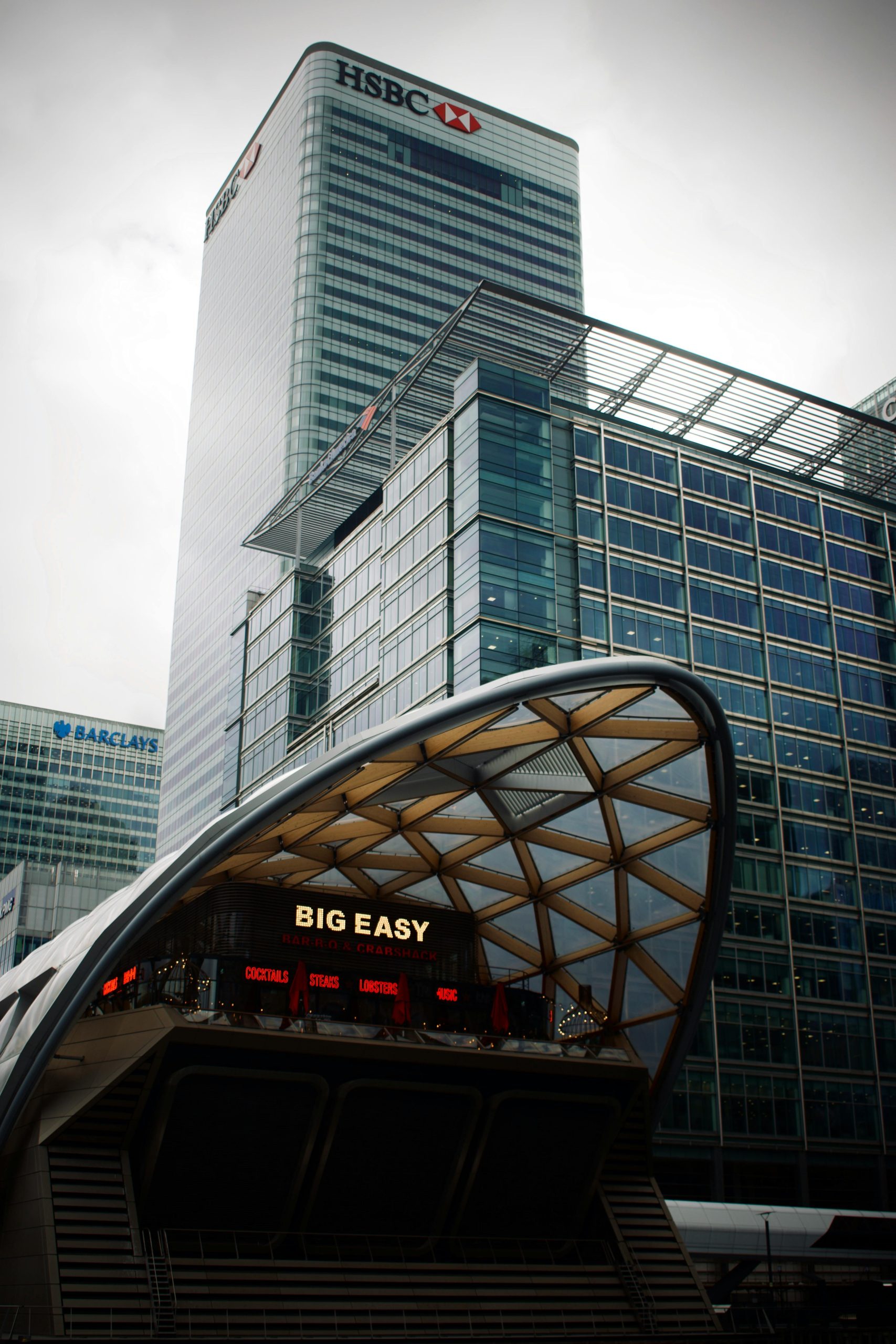
Exploring the Charms of Canary Wharf: Challenging Common Perceptions
London is a city renowned for its rich history, diverse neighborhoods, and cultural vibrancy. Among its many districts, Canary Wharf often garners mixed reviews. Critics frequently dismiss it as soulless, lacking character, and disconnected from the true essence of London. However, a closer look reveals that these perceptions may overlook the area’s unique qualities and evolving vibrancy.
Embracing Modernity and Diversity
One of the most compelling aspects of Canary Wharf is its deliberate departure from traditional London aesthetics. While some may see this as a negative, I believe it’s a strength. The area does not attempt to mimic historic neighborhoods; instead, it offers a distinctive, modern experience. This divergence makes Canary Wharf feel like a different place altogether—an intentional contrast that enriches the city’s mosaic.
Historical Roots and Redevelopment
Critics also point out that Canary Wharf lacks historical significance. Yet, historically, this district was at the heart of London’s commerce—once the bustling docklands that fueled the city’s growth. Today, remnants of this heritage still remain, integrated into the modern landscape through preserved architecture and redeveloped infrastructure. The juxtaposition of old and new creates a dynamic environment that honors its past while embracing the future.
A Growing, Lively Community
Once perceived as a largely deserted business district after office hours, Canary Wharf has transformed remarkably in recent years. It now hosts a thriving residential community, bustling with life from weekdays through weekends. The area offers a balanced mix of tranquility and activity, featuring quiet corners for relaxation amid the busy urban setting.
Waterways and Public Spaces
One of Canary Wharf’s standout features is its extensive water environment. Unlike the often-cited “little Venice,” which boasts a single canal, Canary Wharf is characterized by expansive waterways, riverside walkways, and open water scenes. The area provides numerous opportunities for leisure, dining, and strolling along picturesque waterfronts. Its well-maintained gardens and open spaces foster a sense of community and tranquility.
Art, Shopping, and Dining
Cultural offerings abound with over 140 public art installations scattered throughout the district, making it one of London’s most art-rich areas. For shopping enthusiasts, Canary Wharf boasts a comprehensive mall filled with shops, restaurants, and entertainment options—catering to a wide array of tastes and preferences.
Connectivity
Transport links are robust, including the DLR, Elizabeth Line, and Jubilee Line, making access to and from Canary Wharf straightforward and efficient. This connectivity enhances its appeal as a workplace, residential, and leisure destination.
Challenging Stereotypes
It’s time to move beyond outdated stereotypes and reconsider Canary Wharf’s role in London’s urban fabric. While historic districts and tourist hotspots often dominate perceptions, areas like Canary Wharf demonstrate that modern regeneration, diversity, and vibrancy are equally valuable. The district’s evolution proves that a place doesn’t need centuries of history to be meaningful or worthwhile.
In conclusion, Canary Wharf deserves a fresh perspective. It’s a dynamic, evolving neighborhood that offers unique qualities not found elsewhere in London. Embracing these attributes can deepen our appreciation for the city’s continual growth and modernization.
Note: Images illustrating Canary Wharf’s skyline, waterways, public art, and green spaces can enrich this narrative and provide visual context.