

Effective Strategies for Addressing Noise Complaints in Residential Developments
Living in a private residential community often involves navigating various proximity-related challenges, including noise disturbances. For residents facing frequent and disruptive noise issues, understanding the appropriate channels for resolution is essential to maintaining a comfortable living environment.
Case Context:
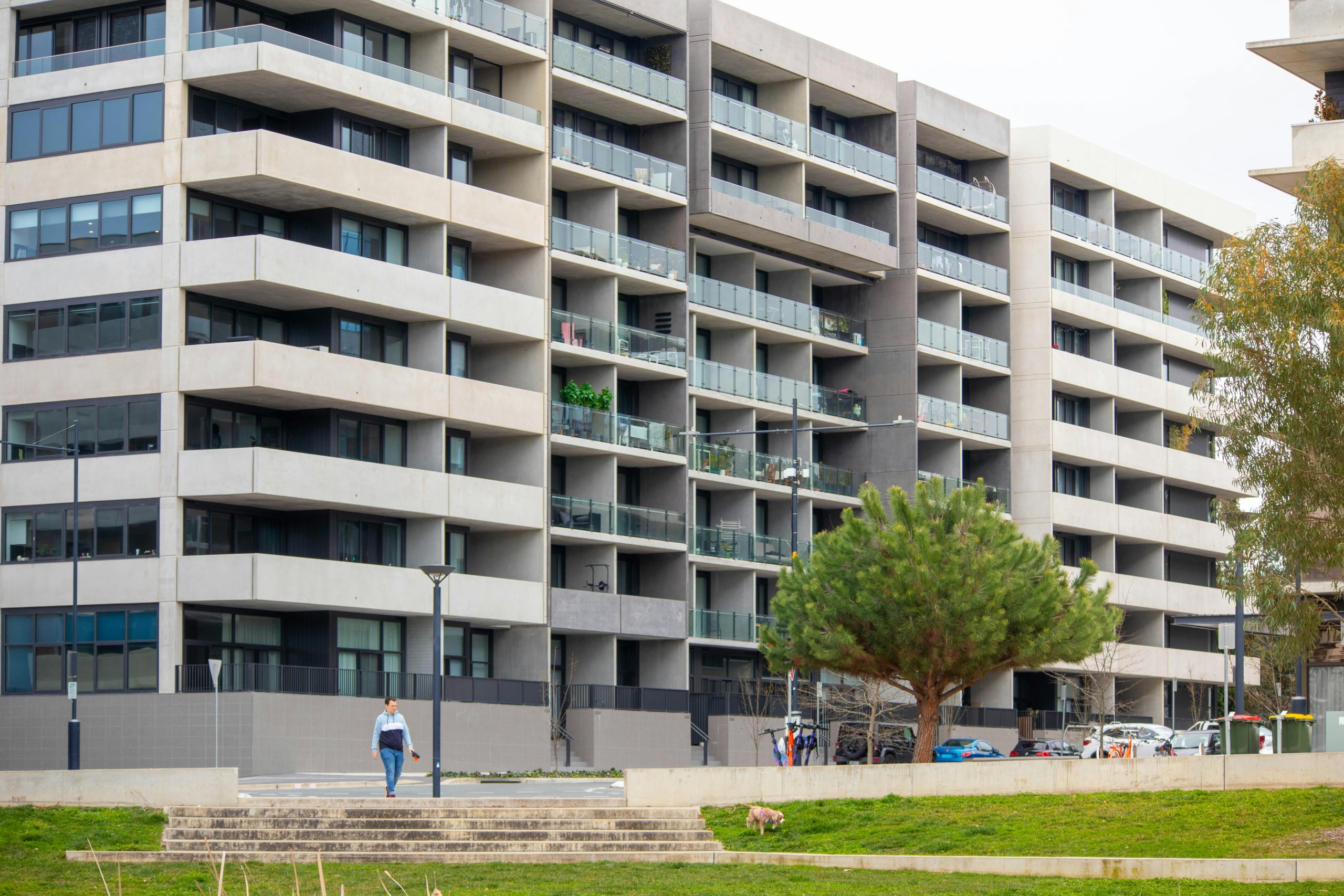
Consider a resident residing in a multi-story apartment facing a communal area. The resident reports that, over the past several days, a fitness or boxing instructor has been conducting group training sessions in the communal space approximately three times a week. These sessions are accompanied by loud music that can be distinctly heard from the 7th floor upwards. The timing of these activities begins at 10 a.m., coinciding with a schedule that conflicts with the resident’s sleeping hours, particularly as they work night shifts and require rest during the mornings.
Initial Steps Taken:
The resident has expressed reluctance to address the noise issue directly with the instructor, preferring not to confront them in person. Instead, they have communicated their concerns via email to property management. However, there is a concern that these communications may have been overlooked or deprioritized over time.
Recommended Approach:
When dealing with noise disturbances in a shared community setting, it is advisable to pursue a structured and professional approach:
- Documentation:
- Keep a detailed record of instances of noise disturbance, including dates, times, and descriptions.
-
Collect evidence such as audio recordings or photographs if permissible and appropriate.
-
Formal Communication:
- Continue correspondence with property management, clearly outlining the impact of the noise on your wellbeing and daily routine.
-
Request a formal response or action plan to address the issue.
-
Understand Local Regulations:
- Review local noise ordinances and tenancy agreements to determine permissible noise levels and quiet hours.
-
Many municipalities have regulations governing noise from commercial activities in residential areas.
-
Engage with Community or Homeowners Association:
-
If applicable, bring the issue before the community or homeowners’ association for mediation or intervention.
-
Consider Mediation:
-
Explore alternative dispute resolution options, such as community mediation services, to facilitate constructive dialogue.
-
Escalation:
- If the issue persists despite your efforts, consider reporting the matter to local council authorities or relevant regulatory bodies responsible for noise regulation and urban planning.
Conclusion:
Addressing noise disturbances in a respectful and systematic manner helps ensure that residents’ rights to peaceful enjoyment are preserved while maintaining community harmony. If property management efforts prove insufficient, escalating the issue to local authorities can be an effective next step. Ultimately, a combination of documentation, communication, and knowledge of local regulations will empower residents to advocate effectively for a quieter, more comfortable living environment.