

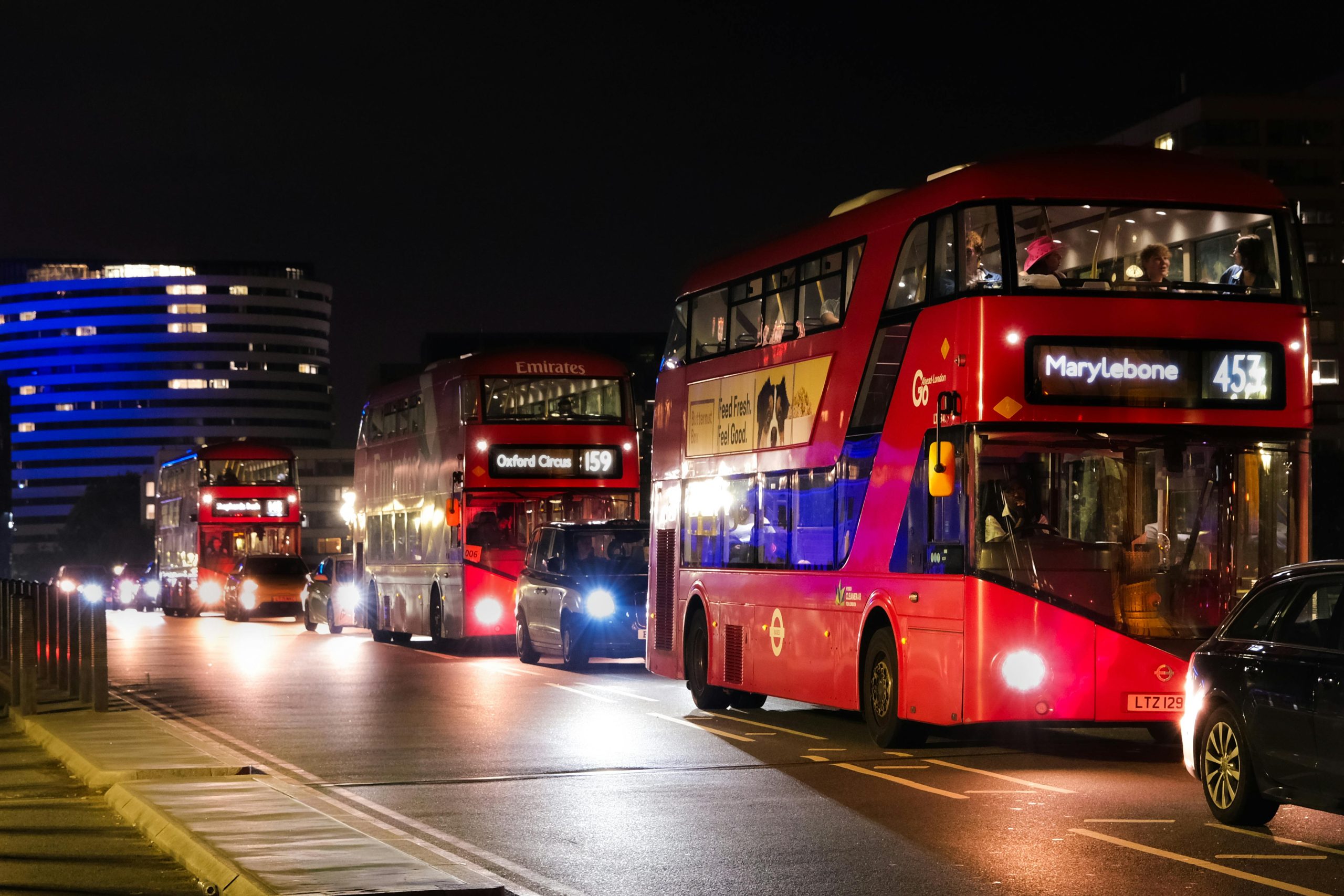
Transport for London Considers Auracast Bluetooth Technology Trial to Enhance Accessibility on Buses
In a move poised to improve accessibility for all passengers, Transport for London (TfL) is reportedly planning to pilot the deployment of Bluetooth’s Auracast technology on its bus fleet. While official confirmation has yet to be issued, sources indicate that TfL is exploring this innovative approach to enhance communication and inclusivity for travelers with hearing impairments.
Understanding Auracast Technology
Auracast, a relatively recent development in Bluetooth technology, surpasses the capabilities of traditional device pairing. Unlike conventional Bluetooth connections that typically support only one receiver device per source, Auracast enables an unlimited number of compatible devices—such as hearing aids, earbuds, and headphones—to connect simultaneously to a single audio stream. This feature is especially valuable in public transportation settings, where clear and accessible communication is crucial.
Existing Applications and Pilot Initiatives
The technology is already being adopted in high-profile venues worldwide, including Frankfurt Airport, the Sydney Opera House, and London’s National Theatre. Notably, a pilot program involving Auracast transmitters was conducted at Bristol Temple Meads Station last year, demonstrating its practical utility in real-world environments.
TfL’s Commitment to Accessibility
Mark Evers, TfL’s Lead on Customer Insight, Strategy, and Experience, emphasized the organization’s dedication to fostering an inclusive transport network. In a recent statement, he mentioned, “We’re committed to making our transport network as fair, accessible, and inclusive as possible. As part of this effort, we are planning a trial of Auracast Bluetooth technology on buses, which would allow service announcements to be broadcast directly to customers’ compatible headphones and hearing aids.”
Evers further highlighted that insights gained from this trial could influence future accessibility initiatives across other modes of TfL transportation, including rail services.
Looking Ahead
While specific details regarding the timing of the trial remain undisclosed, the initiative marks a significant step toward leveraging cutting-edge wireless technology to support inclusive mobility. Should the trial prove successful, it could pave the way for widespread adoption of Auracast-enabled systems across TfL’s network, ultimately enhancing the travel experience for passengers with hearing impairments.
Note: The information shared here is based on an unconfirmed report; no official statements from TfL have been published at this time. For more details, visit the source article here.