

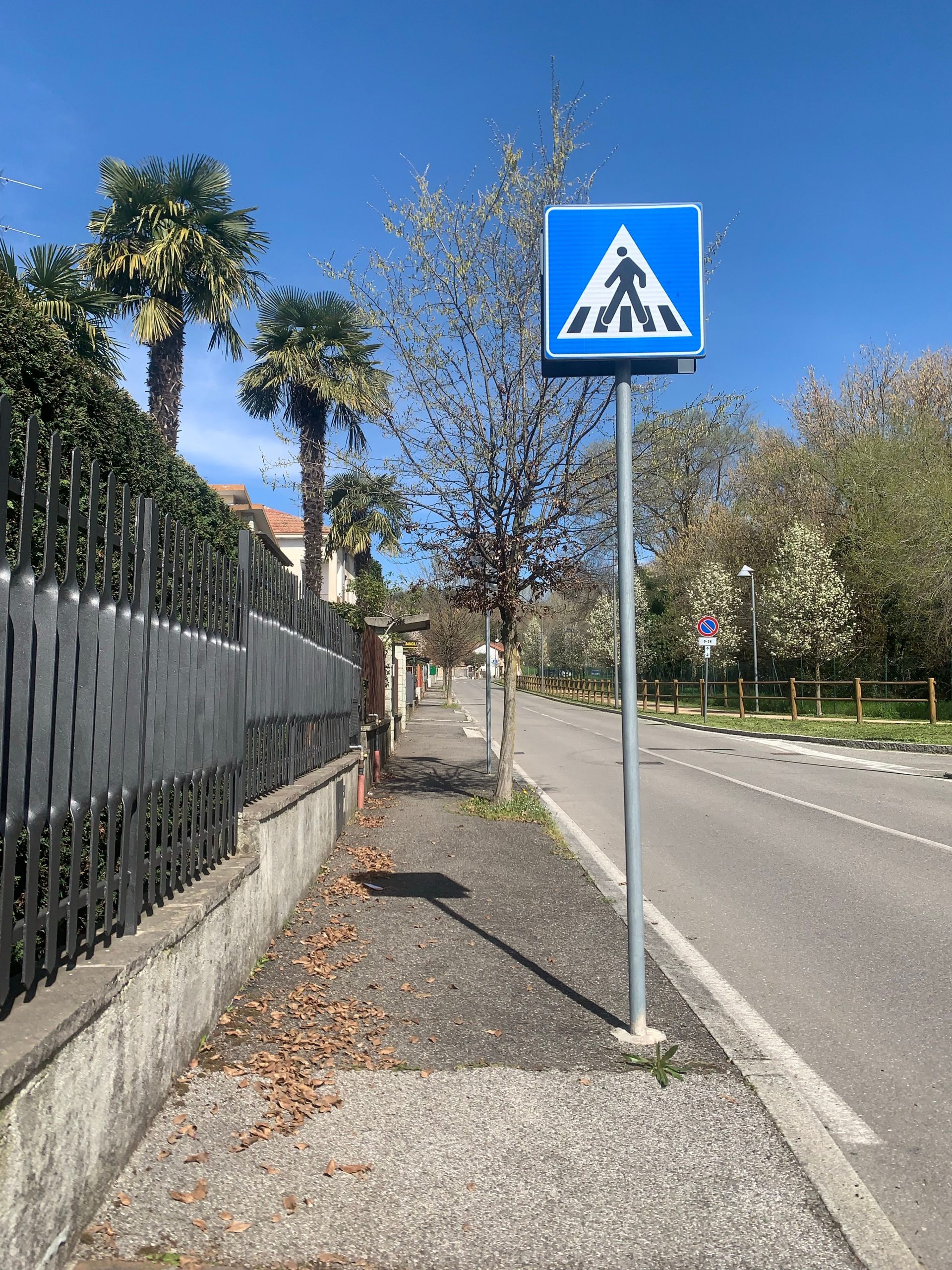
Understanding Pedestrian Crossings: A Personal Encounter and Broader Perspectives
Navigating urban streets as a pedestrian can sometimes lead to misunderstandings, especially in unfamiliar locales. Recently, I experienced a situation that prompted me to reflect on pedestrian crossings, road etiquette, and community perceptions. I’d like to share this incident to shed light on common concerns and clarify what guidelines exist regarding pedestrian right-of-way.
The Incident
While pushing my daughter in her stroller, I approached a dropped curb intended for pedestrian crossing. The area appeared to be designed for foot traffic, and I observed no oncoming vehicles—only a distant car far enough away to not pose an immediate threat. Confident that I was crossing safely, I stepped onto the roadway.
However, once on the other side, I was immediately confronted by the driver of the distant car, who rolled down his window to verbally reprimand me for “crossing in the middle of the road.” His tone was accusatory, and he insisted that I should not have crossed at that location. I explained that I am not a local, and I interpreted the curb cut as a pedestrian crossing point, especially since there was no zebra crossing or marked crosswalk on that block. The driver responded with emphasis, asserting that no location in the world permits crossing in the middle of the street with a child.
Understanding the Context
This encounter left me somewhat perplexed, prompting me to seek clarity. Was I in the wrong for crossing at that curb? From my perspective, the curb cut was designed for pedestrians, and with no marked crosswalk, it seemed a reasonable place to cross.
In many urban areas, curb cuts are specifically implemented to improve accessibility, signaling that pedestrians—especially those with strollers, mobility aids, or young children—may use them to cross safely. However, traffic laws and local regulations can vary significantly, and perceptions about what constitutes a safe crossing may differ among drivers and pedestrians alike.
Key Takeaways
-
Pedestrian Rights and Responsibilities: Generally, curb cuts or drop-off ramps indicate designated pedestrian crossing points. When pedestrians cross at such points—especially when no crosswalk markings are present—they are often within their rights to do so, provided it is safe to do so. Nonetheless, pedestrians should always exercise caution and ensure that their crossing does not impede traffic.
-
Drivers’ Expectations: Drivers are typically expected to yield to pedestrians crossing at designated crosswalks and curb cuts. However, misunderstandings can occur, especially in areas where signage or markings are ambiguous or absent.
-
Local Regulations and Signage: It’s beneficial for both pedestrians and drivers to familiarize themselves with the local traffic laws and signage. In some regions, curb cuts are accompanied by signage indicating pedestrian priority, while in others, they simply serve as accessibility features.
-
Communication and Respect: While disagreements can be frustrating, respectful communication helps prevent escalation. Understanding that diverse perceptions of road etiquette exist can foster more harmonious interactions.
Conclusion
My experience highlights the importance of clear signage and mutual understanding between pedestrians and drivers. As urban environments become increasingly accessible and inclusive, acknowledging and respecting pedestrian infrastructure is essential for everyone’s safety. If you find yourself in a similar situation, remember to stay vigilant, respect local laws, and communicate calmly.
Final Thoughts
Navigating city streets involves a shared responsibility between pedestrians and motorists. Clear signage, public awareness, and respectful interactions are key components of safe and pleasant urban travel. I’ll carry the insights from this experience into future crossings, and I hope this discussion serves as a helpful reminder for all road users.