

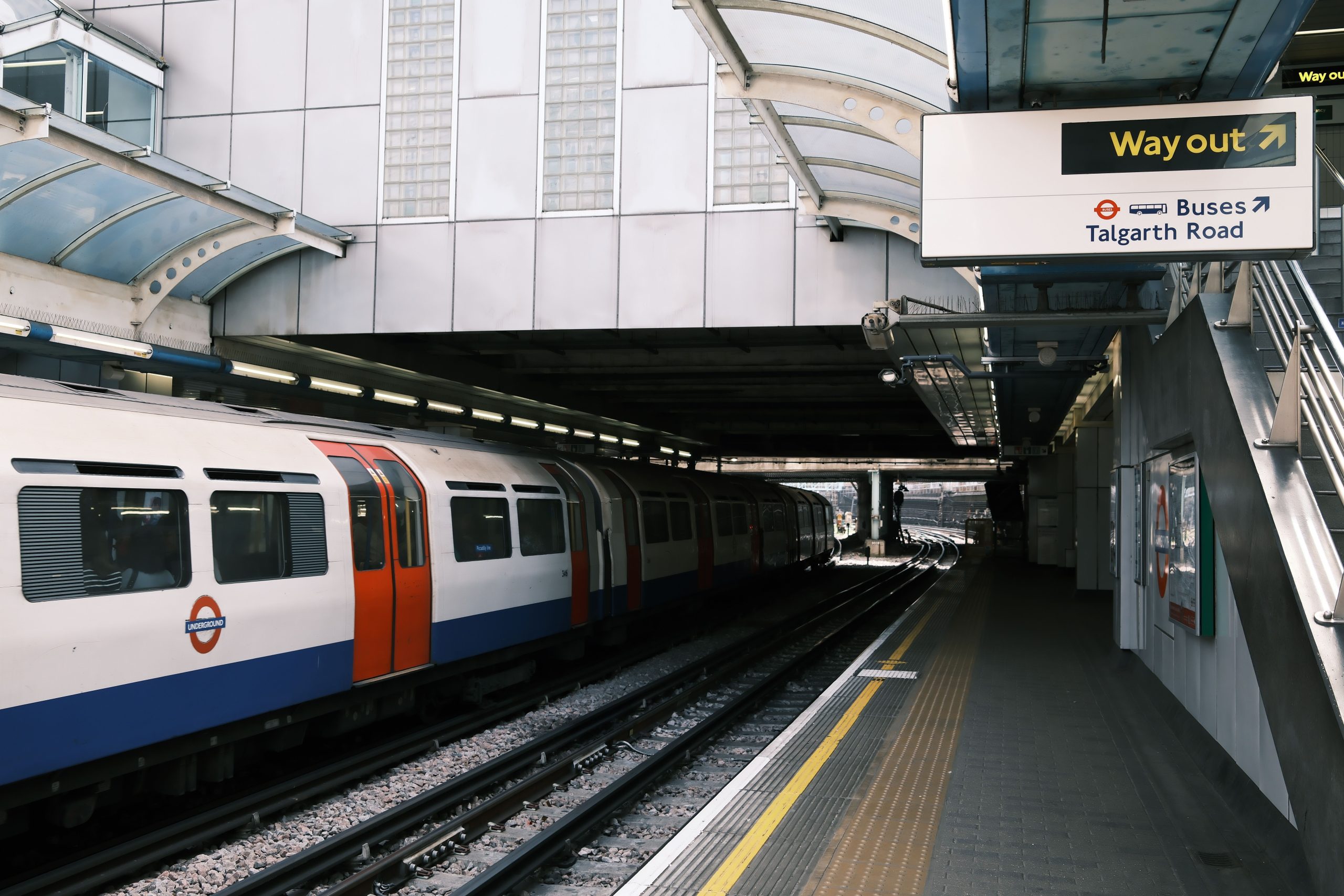
How Close Is Too Close? Finding the Ideal Distance to Public Transport Stations
When considering a new home, one of the most important factors is proximity to public transportation. The convenience of being within walking distance to a tube or train station can significantly impact daily commutes, overall lifestyle, and property value. But what is an acceptable distance? How far is too far for comfort and practicality?
Personal Preferences and Daily Convenience
Many commuters find that walking more than 15 minutes to a transit station begins to feel like a chore. For those without personal vehicles, the ability to access transportation easily is crucial. An optimal walking distance is often considered to be around 10 minutes—a comfortable stroll that doesn’t feel burdensome. For frequent travelers, especially those relying on national rail services with infrequent schedules (such as around 15-minute intervals), being even closer can make a meaningful difference in daily routine and stress levels.
The Impact of Transit Frequency and Location
Frequency plays a vital role in determining how far is too far. For example, if a train or underground service operates every 15 minutes, living within a short walking distance ensures timely arrivals and departures, reducing wait times and the anxiety of missing a connection. Conversely, longer distances or less frequent services can make living just beyond the walking comfort zone impractical.
Market Examples and Price Considerations
Recent developments highlight how proximity influences real estate values. It’s not uncommon to see properties priced at £400,000 for a one-bedroom or £560,000 for a two-bedroom unit that are situated significantly farther from convenient transit options—sometimes a 20 to 30-minute walk away from the nearest tube or rail station. Such locations, particularly in less vibrant or underdeveloped areas, often come with trade-offs: increased travel time and a less connected community, factors which can deter potential buyers or tenants.
For instance, some new developments in parts of South London, which are undergoing regeneration but still lack easy transit links, are selling at premium prices despite their somewhat remote locations. This highlights the importance of considering not just the price point but also the accessibility and future potential of the neighborhood.
Conclusion
When evaluating potential homes, it’s essential to weigh the benefits of affordability against the practicalities of daily commute. For most, a 10-15 minute walk to a reliable transit station strikes a good balance between convenience and affordability. Anything beyond that can quickly feel burdensome, especially in areas with infrequent services. Ultimately, the “sweet spot” depends on individual needs, lifestyle preferences, and the specific context of the neighborhood.
Your thoughts?
What do you consider the maximum walking distance you’d accept for daily transit access? Share your experiences and preferences in the comments below!