

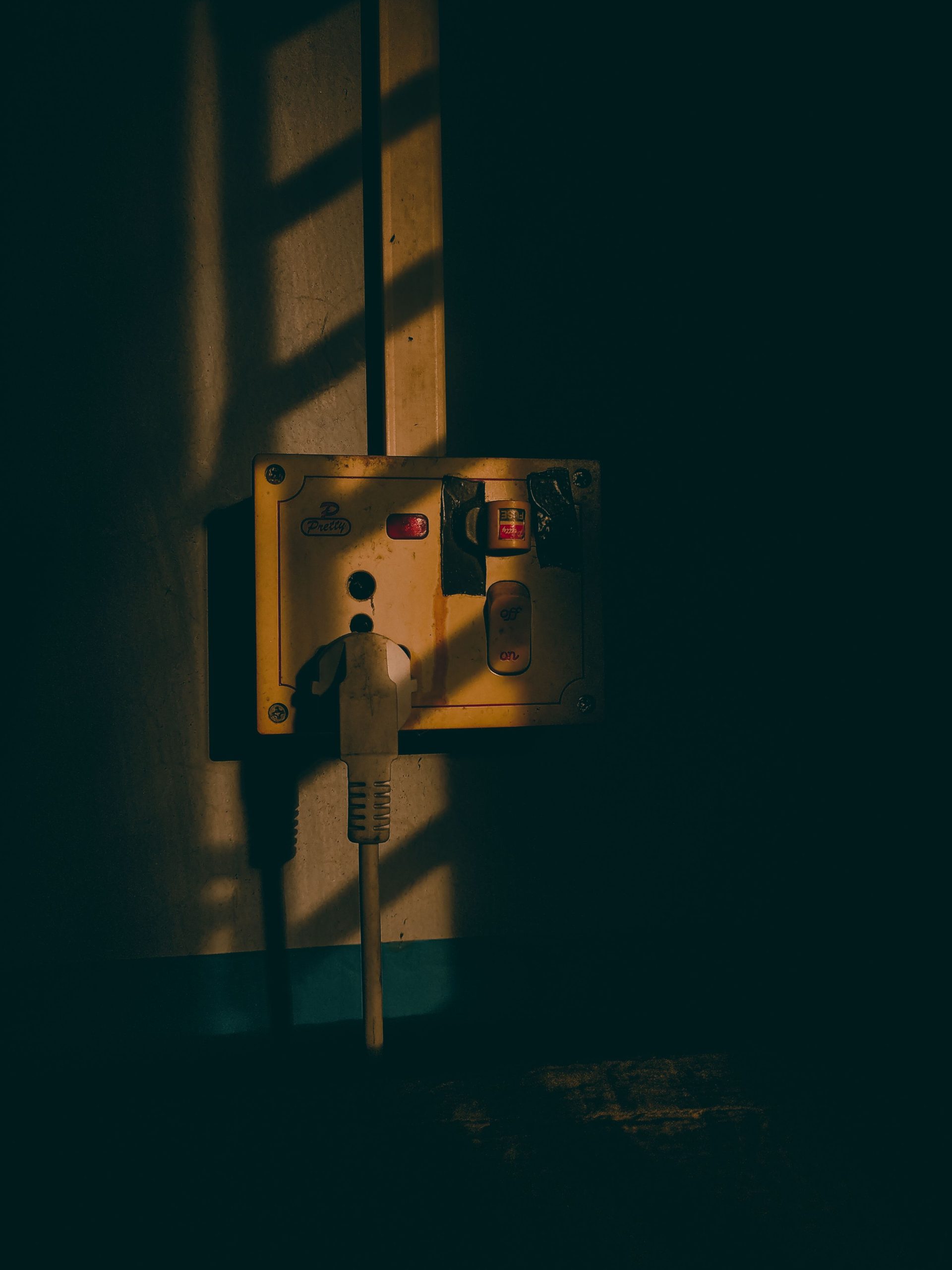
Ensuring Safety When Installing Plug-in Solar in Older London Flats: The Critical Role of Your Safety Switch
If you’re considering adding plug-in solar energy solutions to an older London flat, there’s an essential safety aspect that often gets overlooked: the type and condition of your residual current device (RCD), commonly known as the safety switch. Understanding this component is crucial, particularly given London’s unique residential wiring history, which can significantly impact your installation safety.
Why Your Safety Switch Matters More Than the Plug
The RCD acts as a rapid-response safety device, disconnecting power instantly if it detects leakage currents that could pose a risk of electric shock or fire. The common, low-cost “Type AC” RCDs are designed primarily for standard alternating current (AC) faults typical in modern mains wiring. However, plug-in solar systems involve inverters that can produce direct current (DC) components during operation, especially if there’s a fault.
Type AC devices are ill-equipped to detect DC leaks—these can pass through unnoticed and, in some cases, cause the RCD to fail in its protective function. Since the solar inverter may feed power back into the wiring, especially during fault conditions, relying solely on a Type AC RCD can lead to a false sense of security. This scenario is particularly concerning in older flats where wiring was not designed with bidirectional flow or solar integration in mind.
London’s Unique Wiring Heritage and Its Implications
London’s residential stock is among the oldest in England—much of it dating back to Victorian and Edwardian eras. According to surveys, approximately 65% of homes in boroughs like Kensington and Chelsea pre-date 1919. This heritage means many buildings still operate on wiring installed before modern safety standards were widely adopted, and often without adequate residual current protection.
Historically, mandatory RCDs mandated by the UK’s wiring regulations only arrived after 2008. Consequently, many older wiring systems lack RCD protection altogether or are fitted with outdated “Type AC” devices. Installing plug-in solar in these environments without upgrading or assessing the circuit can leave occupants vulnerable to electric shock or fire risks if the protective devices are incompatible with the reversed or bidirectional power flow introduced by solar inverters.
Industry Guidance and Moving Toward Safer Installations
Recognizing these risks, UK electrical safety authorities—including Electrical Safety First, the Electrical Contractors’ Association (ECA), the Institution of Engineering and Technology (IET), NICEIC, and SELECT—issued a joint warning on June 9, 2026. They emphasized that plug-in solar systems can feed power back into home wiring and that existing protective devices may not react appropriately if the electrical circuit hasn’t been properly assessed.
Specifically, the warning underlines that the type of RCD installed is critical. Standard “Type AC” devices may not detect the DC leakage produced during certain inverter fault conditions. Instead, modern “Type A” or “Type B” RCDs—capable of detecting pulsed or DC currents—are recommended, especially for installations involving solar PV systems.
Practical Steps to Ensure Safety
To safeguard your household, consider the following:
- Inspect Your Consumer Unit:
- Look for modern circuit breakers with test buttons—these indicate updated installations.
-
Be cautious of old rewireable fuse boxes or single, outdated main switches, which may lack adequate RCD protection.
-
Identify the RCD Type:
- Check the printed label on your RCD or circuit breaker.
-
“Type AC” should raise concern if you’re installing solar; “Type A” is the current minimum standard; “Type B” is often necessary for photovoltaic systems unless the inverter has built-in isolation.
-
Consult a Qualified Electrician:
- Have a certified electrician evaluate your current circuit setup before energizing any solar system.
- The ideal and safest installation involves a hardwired connection carried out by a CPS-registered electrician, who will perform G98 notification in compliance with UK regulations.
Moving Forward: Safe and Compliant Solar Installations
Given the complexities and risks, plug-in solar kits are often discouraged in older properties. Instead, a correctly designed, hardwired solar installation—performed by licensed professionals—ensures compliance with current standards and enhances safety. This approach not only protects against electrical faults but also optimizes the system’s performance and longevity.
In Summary
For residents of London’s historic flats, awareness of your circuit’s protective devices is vital when considering plug-in solar solutions. Ensuring your RCD is modern and appropriately rated minimizes risk and aligns with evolving safety standards. When in doubt, always consult a qualified electrical professional to assess your wiring and implement a safe, compliant solar installation.
Sources:
– Electrical Safety First: Understanding RCD Types
– English Housing Survey: Data on Dwelling Ages in London
– The Health Foundation: Historical Data on London’s Residential Stock