

The Hidden Challenges of All-You-Can-Eat Sushi: A Personal Reflection on Dining Promotions
Introduction
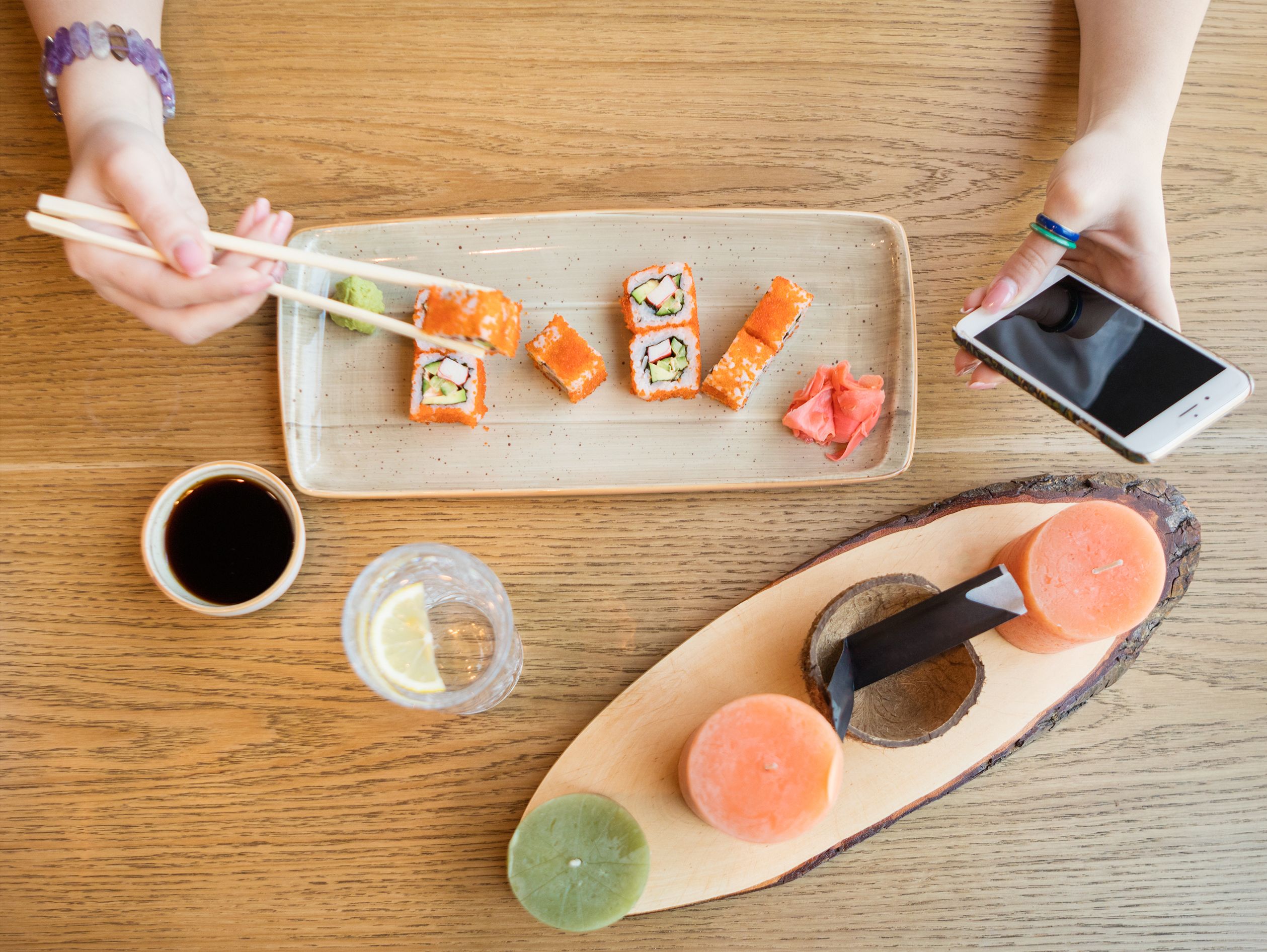
Dining experiences often promise indulgence and value, especially with popular offers like all-you-can-eat menus. However, sometimes these promotions reveal more about our own motivations and character than about the restaurant itself. Recently, I visited Sushi Cafe in Battersea to explore their £25 per person all-you-can-eat sushi deal—a meal that promised unlimited dishes within a 90-minute window, provided you finished each item or paid per piece. What followed was not just a test of my appetite but an unexpected journey into self-awareness and the nuances of dining promotions.
My Sushi Journey: From Novice to Connoisseur
Prior to discovering sushi with my current partner, I was content with simpler, occasional sushi experiences—mostly from brands like Itsu. My early foray into sushi was marked by a memorable incident: I once complained to staff about the food quality before an early flight, which resulted in coupons that I considered a victory at the time. Looking back, I realize these were mere superficial encounters with sushi, motivated perhaps by audacity rather than expertise.
My genuine education began later, thanks to my partner, who has cultivated a deep appreciation for sushi. Observing her and occasionally participating in the ordering process has turned me into an eager apprentice, learning the subtle art of selection and moderation. This dynamic has gradually transformed my approach, though my competitive streak remains strong.
The Challenge at Sushi Cafe
Arriving at Sushi Cafe, I was immediately struck by the lure of their unlimited menu. The premise was simple: enjoy as many dishes as possible within 90 minutes, but with the caveat that if you fail to finish what you order, you pay for the leftovers. This condition ignited a competitive fire within me—a desire to maximize my intake and surpass any perceived challenge.
Initially, my efforts were triumphant: nigiri, maki, and sashimi were consumed with confidence and vigor. We appeared unstoppable, pushing closer to the 90-minute mark with enough sushi to rival a busy lunchtime rush. However, as the clock wound down, I realized I had to adapt to an emerging struggle.
The Turning Point
Faced with the reality that neither perseverance nor sheer volume would suffice, I devised a strategic retreat. Carefully selecting the largest pieces, I managed to fit several into my mouth, while discretely stashing others in my napkin. Excusing myself to the restroom, I experienced a moment of clarity—an introspective glance back at my decisions, recognizing how my relentless pursuit stemmed from a competitive desire that sometimes blinds me.
Returning to the table, I admitted defeat to our attentive waiter, who kindly assured us that there would be no charge for leftover sushi—a gesture that underscored the restaurant’s understanding nature. Reflecting on the experience, I realized that what initially seemed like a straightforward dining promotion was, in reality, a nuanced test of character.
Lessons Learned
This adventure revealed that promotional offers like all-you-can-eat sushi are less about the food and more about personal boundaries. They place a spotlight on qualities such as moderation, humility, and self-awareness. While I failed to sustain my initial enthusiasm and overextended my capacity, I was fortunate to receive leniency and reflect on my motivations.
Conclusion
Dining promotions can serve as playful challenges that reveal our true selves. The £25 all-you-can-eat sushi deal at Sushi Cafe in Battersea exemplifies this dynamic—a seemingly generous offer that tests one’s character and self-control. Whether you succumb to the temptation or practice restraint, such experiences remind us that the real value often lies beyond the food itself: in understanding our limits and choosing grace over victory.