

Uncovering the Thames: Unexpected Discoveries Along the Riverside
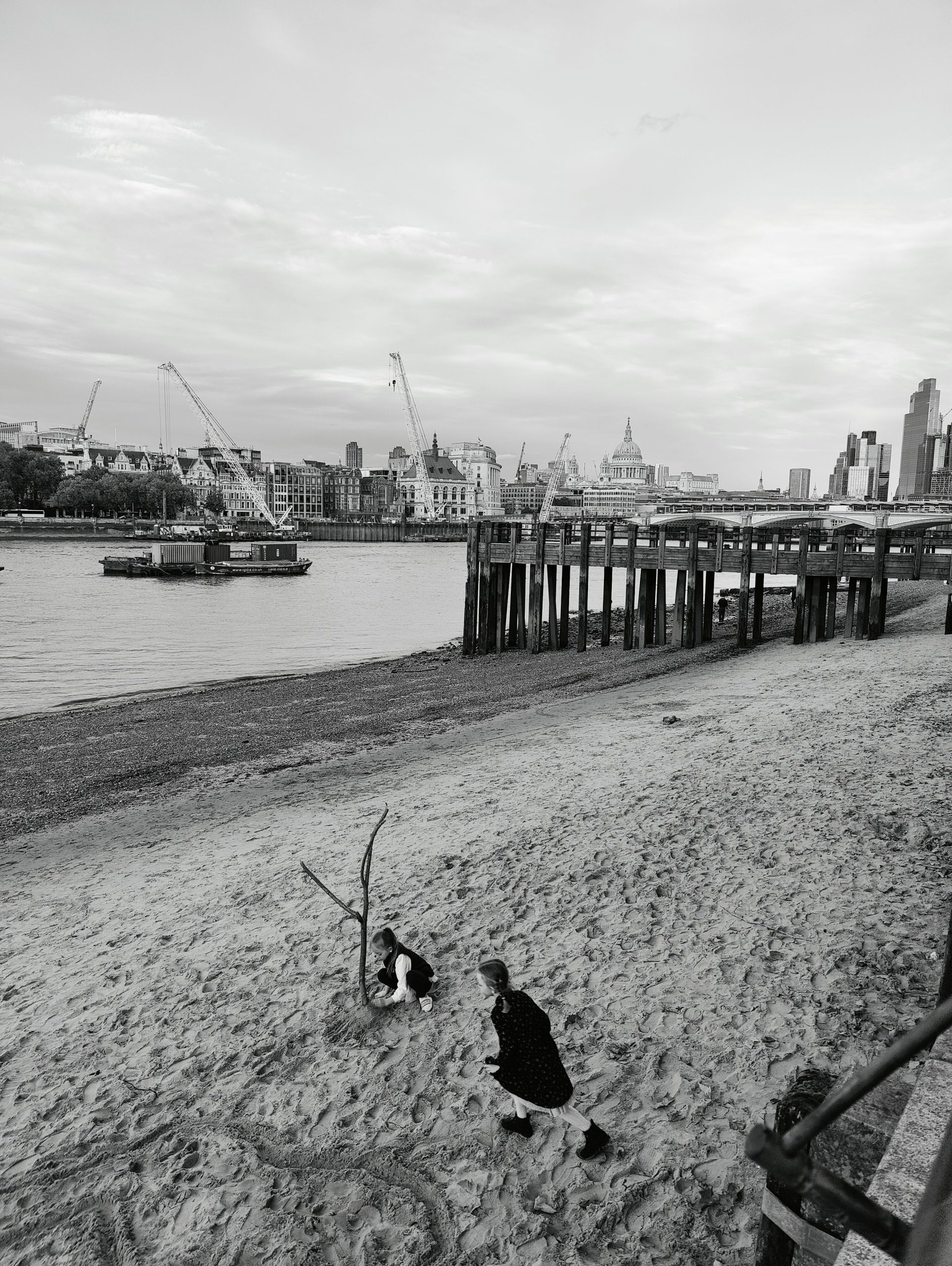
During a recent exploration along the historic stretch of the River Thames, I encountered a surprising assortment of objects washed ashore near the beach between Tower Bridge and London Bridge. Among the more intriguing finds were several items resembling bones—various shapes and sizes scattered close to each other, sparking curiosity about their true origin.
Initially, the appearance of these pieces suggested they might be animal bones, which, given the river’s extensive use and long history, might seem a logical assumption. The specimens I observed had a hard exterior with a porous interior in some cases, while others appeared more rounded and resembled pumice stone—lightweight volcanic rock often associated with natural erosion processes.
This discovery prompted me to consider whether the initial assumption was accurate or if a more common or mundane explanation could account for these objects. The presence of bone-like fragments along the Thames is not entirely unexpected; historical boat traffic, fishing activities, and urban waste all contribute to the debris that accumulates along the riverbanks.
Further investigation and expert consultation could shed light on these findings, distinguishing between natural geological formations, remnants of past maritime activities, or accidental litter. Regardless, such discoveries serve as a vivid reminder of the river’s rich history and ongoing interaction with urban life.
In conclusion, what initially appeared to be bones turned out to be a complex mixture of natural and human-made objects. These encounters highlight the importance of curiosity and careful observation when exploring our urban waterways, as they continually reveal stories of the past and present intertwined within the river’s flow.