

A Personal Account of Customer Service Concerns at Mandarin Kitchen, Bayswater
Visiting a restaurant with high expectations can sometimes lead to unforeseen experiences, especially when expectations around service and policies are not clearly communicated. Recently, a diner visited Mandarin Kitchen in Bayswater, a reputed establishment claiming to have invented the beloved dish, lobster noodles. This visit, however, was marked by discomfort stemming from issues related to service charges and customer treatment.
The Experience and Initial Impressions
The diner had saved up specifically to try the lobster noodles, priced at £68, along with other side dishes. Prior to seating, staff informed the guest of a forced departure timeframe of about an hour, which was accepted. During the ordering process, service was somewhat indifferent, with minimal engagement beyond delivering the food—a common practice in many establishments but noteworthy in the context of this visit.
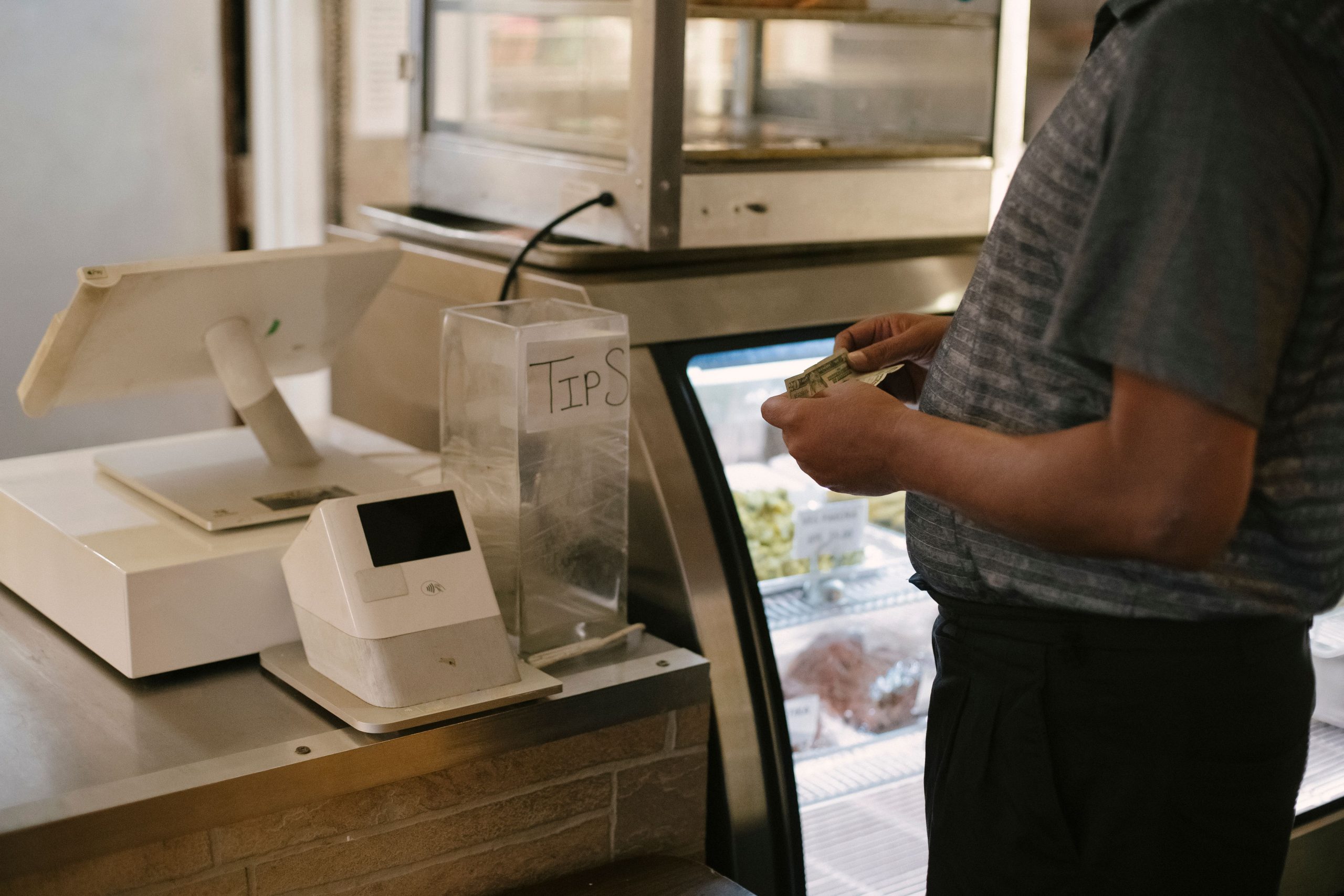
While the meal itself was satisfactory, the subsequent billing process revealed concerns. A 12.5% service charge was automatically added, labeled as suggested but described as optional by the menu. This ambiguity prompted the diner to request a bill without the service charge. Multiple staff members, including what appeared to be the manager, questioned this request, repeatedly asking for the reason and expressing the need for a valid justification.
Customer Service Interaction and Disputes Over Optional Charges
The patron explained that, according to UK law, gratuities are discretionary and may not be imposed on customers. Despite this, staff insisted that their salaries depended on the service charge and that it was a mandatory part of the bill. The customer maintained that they could afford the meal but preferred to pay only what was owed, respecting the legal framework and personal budget constraints.
The dialogue escalated as staff threatened, with the manager warning that future visits would be denied if the customer refused to pay the additional tip. This interaction culminated in the customer deciding to leave without further dispute.
Receipt Refusal and Evidence Gathering
Noticing the absence of a receipt, the customer requested one to verify the charges. The manager refused, citing the non-payment of the service charge as the reason. Persisting, the customer recorded the interaction via voice memo and video when asked to leave and cease recording, perceiving this behavior as a sign of discomfort or potential misconduct among the staff.
Broader Context and Customer Feedback
Online reviews of Mandarin Kitchen often highlight similar concerns, mentioning that the automatic service charge is enforced and that additional tips are expected, sometimes without explicit consent. These recurring complaints suggest a pattern that might warrant attention from potential diners.
Conclusion and Reflections
This experience underscores the importance of transparent customer policies and respectful engagement. While establishments have the right to set their pricing and gratuity policies, it is equally vital that such policies are communicated clearly to avoid misunderstandings or feelings of coercion.
Consumers are encouraged to be aware of their rights regarding optional gratuities and to advocate for transparent service practices. For restaurants, fostering a culture of clarity and respectful service can enhance reputation and customer trust.
Disclaimer: This account reflects a single customer’s experience and opinions. Readers are advised to form their own judgments and consult official sources regarding consumer rights and restaurant policies.