

Exploring the Lost Pubs of London: The History of The Campden Arms, Kensington, W8
The story of London’s historic public houses is a compelling narrative of urban development, cultural evolution, and societal change. One such establishment, The Campden Arms, once stood prominently at 33–34 Campden Street in Kensington. This article traces its origins, historical significance, and eventual closure, offering a glimpse into the dynamic history of London’s pub landscape.
Origins and Development of The Campden Arms
Nestled on the corner of Campden Street and Peel Passage, The Campden Arms served the burgeoning Kensington suburb for approximately sixty-five years. While the exact date of its construction remains elusive, evidence suggests it was erected in the late 1840s or early 1850s, coinciding with the final phases of development along Campden Street.
This period marked a transformative era for west London. Maps from the early 19th century reveal the area’s rural character: John Cary’s 1824 map depicts this region as largely open land, with Kensington Church Street marking the frontier of urban development. Beyond lay fields, market gardens, and countryside, with no roads connecting westward. It wasn’t until the subsequent decades that London’s expansion pushed into these once-agricultural lands.
By 1849, James Wyld’s New Plan of London illustrated the rapid transformation, with new streets carving into the landscape. The land forming the core of Kensington, including the area now known as Campden Street, was originally part of William Ward’s estate, purchased jointly with John Punter in 1822. Initial development was slow; by 1844, only about twenty houses had been built, primarily by Ward himself.
The pace of growth accelerated around 1850. Ward engaged other builders, notably Henry Gilbert—a licensed victualler and builder—who was responsible for constructing The Campden Arms along with neighboring residences. Following Ward’s death in 1850, trustees issued leases that facilitated continued development, culminating in the pub’s establishment.
Historical Records and Map Evidence
The earliest documented mention of The Campden Arms dates to the 1851 Census, where it is listed as a public house. At that time, Henry Gilbert and his wife Caroline resided within the premises, indicating its role as both a residence and a social hub.
By 1867, the pub is clearly depicted on Ordnance Survey maps, positioned at its corner location and labeled simply as “P.H.” The surrounding neighborhood was now densely built-up, a stark contrast to the undeveloped fields illustrated in earlier maps, highlighting the rapid urbanization of Kensington.
The name ‘Campden Arms’ derives from Campden House, a notable Jacobean mansion constructed in 1612 for Baptist Hicks, 1st Viscount Campden. Located nearby, the house’s prominence contributed to local place names such as Campden Hill and Campden Street. Though the mansion was heavily damaged by fire and demolished by 1862, its legacy endured through the pub’s name.
A Glimpse Inside and Notable Incidents
One colorful record from the Weekly Dispatch of March 26, 1893, offers a peek inside The Campden Arms during an incident involving law enforcement. Police Sergeant 33F recounted passing by the pub and overhearing voices within. Upon knocking, the landlord, Charles Best, attempted to dismiss the officer’s inquiry with a false excuse about a private chat. The sergeant then identified himself, leading to the return of Police Constable Carroll, who had been absent on duty—apparently enjoying a drink at the pub. This anecdote underscores the social role pubs played in community life, as well as the sometimes tangled relationship between law enforcement and licensees.
The Closure and Legacy
Throughout the early twentieth century, London saw a concerted campaign to reduce the number of licensed pubs, deemed excessive by licensing authorities. In 1914, The Campden Arms was identified by the Kensington Licensing Justices as one of three pubs considered “redundant.” They recommended not renewing its license, citing an oversaturation of licensed premises in the district.
The licence was subsequently revoked in 1915 under the Licensing (Consolidation) Act of 1910. The property was awarded compensation totaling £1,945—a common practice for pub closures during this period.
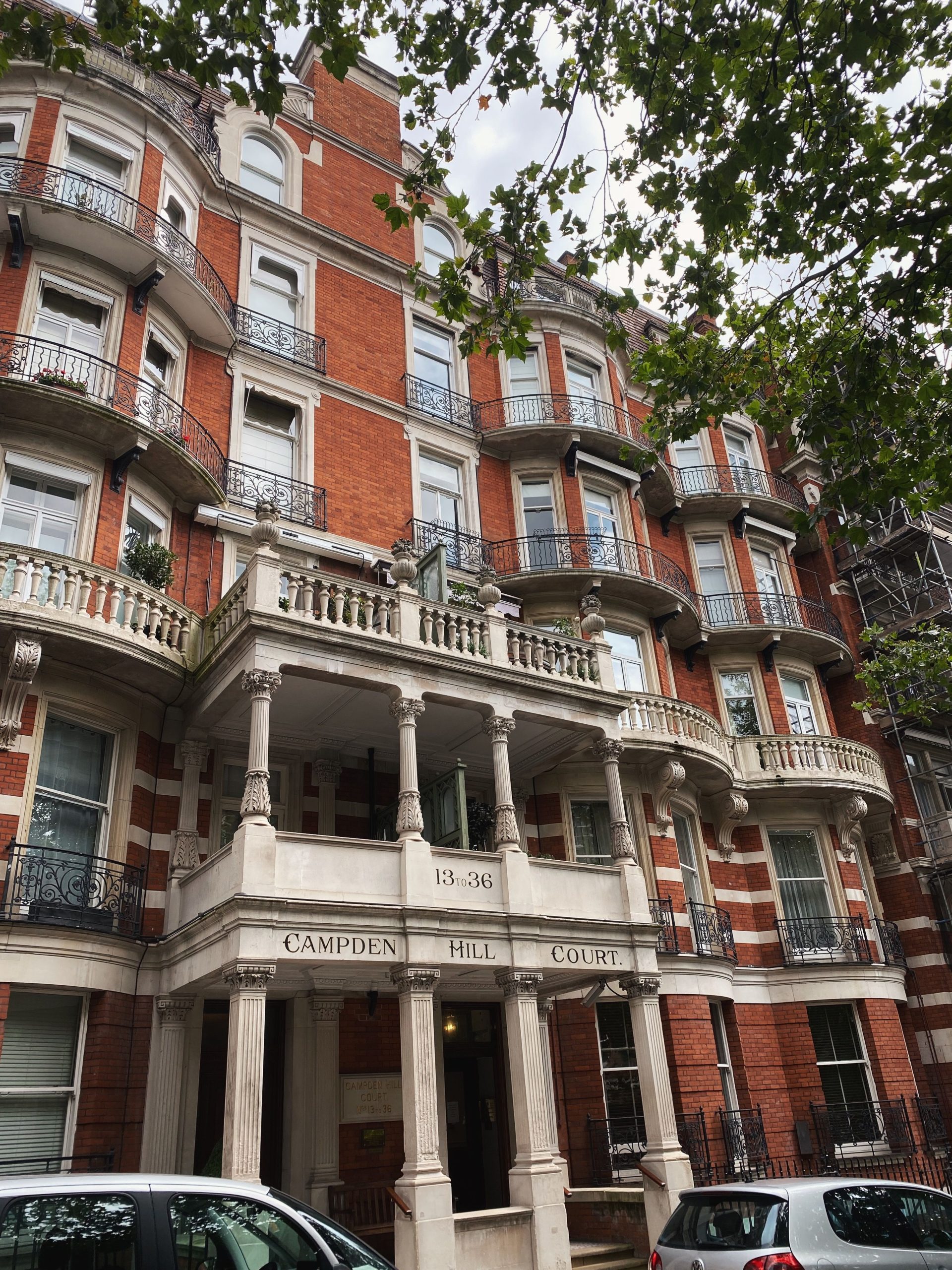
Today, the site of the former Campden Arms has been transformed into a refined residential property. Little remains of its former function as a public house, though its history remains etched into the collective memory of Kensington’s evolving landscape.
Conclusion
The story of The Campden Arms exemplifies the broader narrative of London’s urban expansion and changing social fabric. From its roots amid rural fields to its role as a community gathering place, and ultimately to its closure amidst regulatory reforms, the pub’s history offers insights into the transformation of Kensington over the past two centuries. While no longer serving ale and conversation, the legacy of The Campden Arms endures as a symbol of a bygone era in London’s rich pub history.