

Exploring the Occupation Phases of a Victorian House in Battersea, London
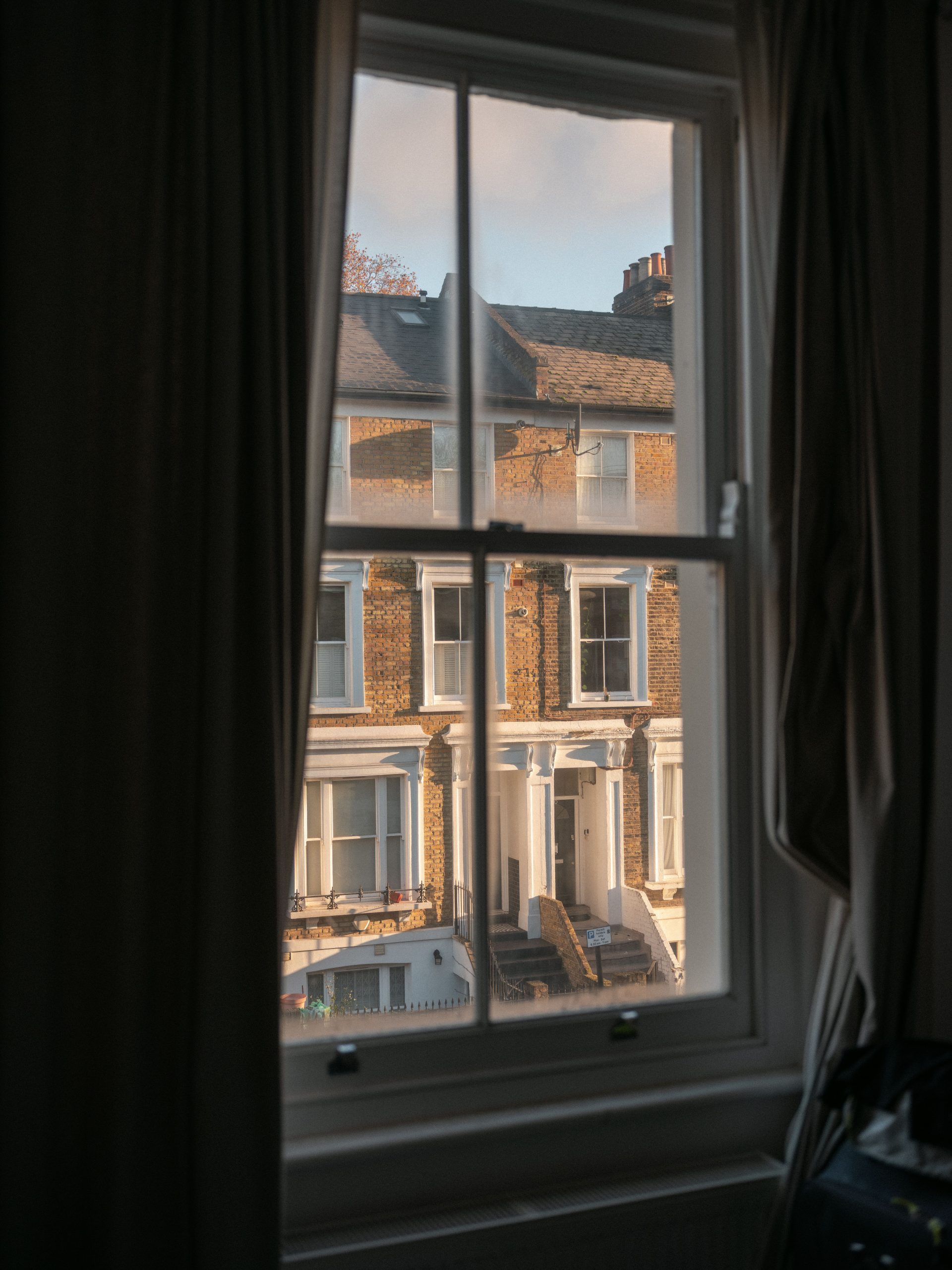
London’s rich architectural history offers a fascinating glimpse into the lives of its past residents, especially through the study of traditional housing structures. Recently, I had the opportunity to observe a remarkably preserved late Victorian house on Bennerly Street in Battersea, which exemplifies the layered history of the area’s development.
The house stands adjacent to a recently demolished property that once attached to it. The demolition revealed an intriguing cross-section of the building’s structure, providing insight into various phases of occupancy and alterations over the decades. Notable features include a blocked chimney, signs of wall additions and repairs, the outlines of the original loft and roof spaces, and holes indicative of former beam slots. Additionally, modifications such as the installation of a new floor above certain sections highlight the evolving needs of its inhabitants.
Constructed between 1880 and 1910, these homes were primarily built to accommodate the burgeoning working-class population in Battersea. During this period, the area experienced rapid expansion, driven by a significant population surge—from approximately 3,000 residents in 1801 to over 170,000 by 1901. This demographic growth was a direct result of the thriving Victorian economy, which stimulated infrastructure development, including major transport links like Clapham Junction Station.
Battersea’s strategic location and industrial growth transformed it into a key industrial hub. The area was home to a diverse array of factories manufacturing everything from candles and chemicals to industrial ceramics, graphite crucibles, and food products. However, this industrial boom came with environmental costs, notably severe air pollution that affected residents’ health and quality of life during the era.
The story of Battersea extends into the 20th century and beyond. During World War II, the area was heavily targeted in the Blitz, suffering intense bombing campaigns aimed at destroying vital factories and transportation infrastructure like the railway station. The damage was extensive, leading to significant loss of life and widespread destruction of property.
Reflecting on the brickwork of the house, particularly the changes halfway up the upper floor, raises questions about its wartime history. It’s plausible that the building sustained damage from bombings or fires during The Blitz and was subsequently repaired using bricks reclaimed from demolitions in the area, a common practice at the time.
This house stands as a living testament to Battersea’s layered history—its architecture bearing silent witness to the area’s growth, industrial prominence, wartime struggles, and subsequent rebuilding. Examining such structures offers valuable insights into the lives of London’s past residents and the evolving urban landscape of this vibrant borough.