

A Stunning Lunar Experience in London: Understanding the Phenomenon of the Red Moon
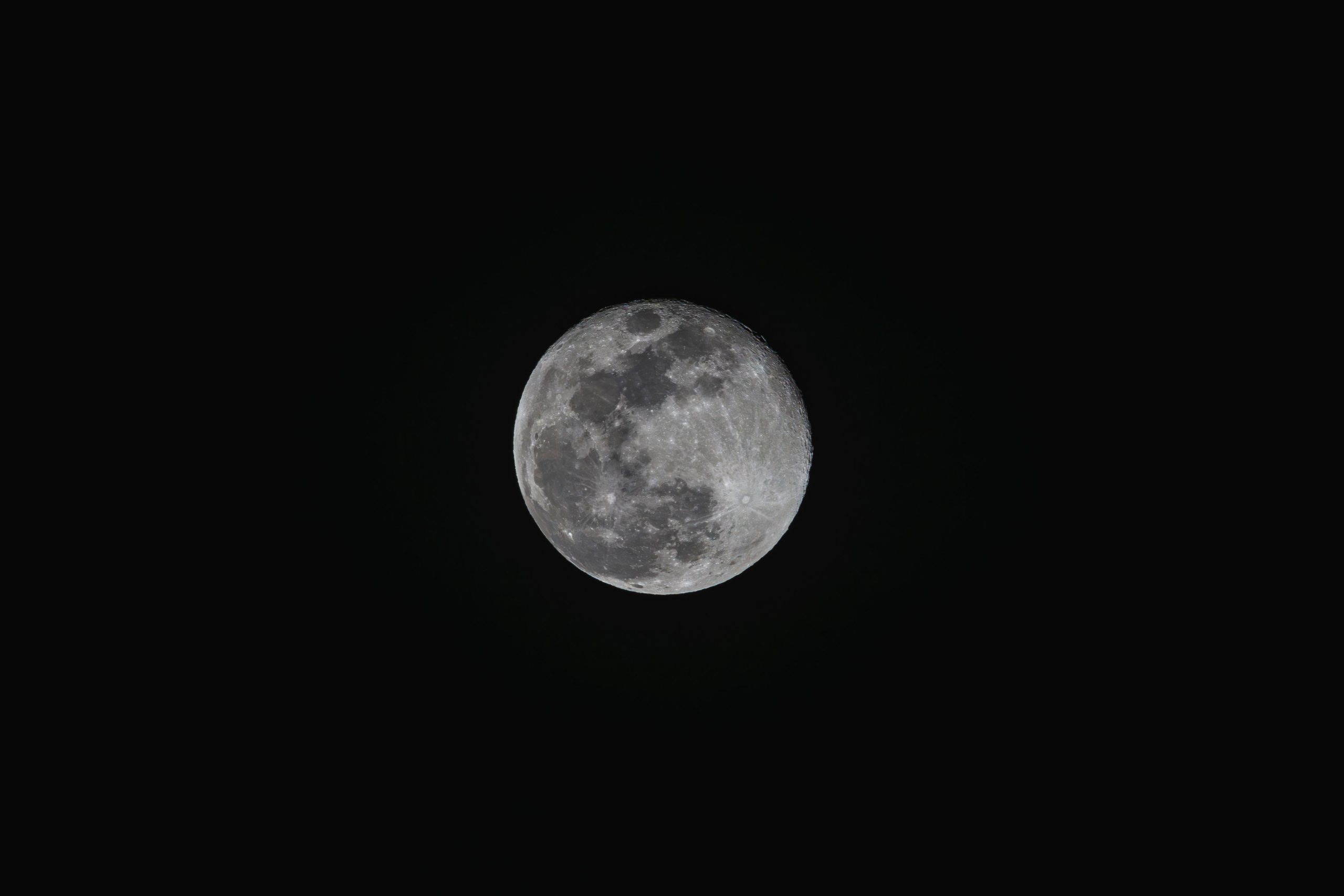
Last night, residents across London were treated to a striking and unusual celestial display—the moon appeared vividly red in the night sky. Many observers, including myself, couldn’t help but wonder about the cause of this captivating phenomenon.
What Causes a Red Moon?
The redness of the moon, often referred to as a “blood moon,” is typically associated with a lunar eclipse. During a total lunar eclipse, the Earth passes directly between the sun and the moon, casting a reddish hue on the lunar surface due to Earth’s atmosphere filtering sunlight and scattering the shorter blue wavelengths, while allowing the longer red wavelengths to reach the moon.
However, in this case, the observed moon did not seem to be in eclipse, prompting some to speculate about other contributing factors.
Possible Explanations
One explanation that has circulated online attributes the appearance of the red moon to atmospheric particles resulting from wildfires in Europe and North America. Smoke and ash clouds from these fires can scatter sunlight and sometimes tint the moon red, especially when the moon is near the horizon. This phenomenon is similar to how sunsets and sunrises take on reddish hues due to scattering in the Earth’s atmosphere.
While fires in regions like Canada and parts of Europe can influence atmospheric conditions, the direct correlation between distant wildfires and the moon’s coloration in London is complex and not always straightforward. Typically, significant wildfire smoke can create hazy skies and give the moon a reddish appearance, but other atmospheric factors such as dust, pollution, and weather conditions also play a role.
Authenticity of the Observation
The photograph taken in Southeast London around 00:20 local time captures this remarkable event without any editing, illustrating just how vivid the moon appeared. Such images are valuable for understanding and analyzing these natural phenomena.
Conclusion
While the exact cause of last night’s red moon in London may involve multiple factors—including atmospheric conditions and potential contributions from distant wildfires—it underscores the dynamic and interconnected nature of our planet’s atmosphere. If you’re interested in observing future lunar phenomena, keep an eye on astronomical calendars and local weather reports. These events serve as a breathtaking reminder of the beauty and complexity of our universe.
Further Reading and Resources
- Understanding Lunar Eclipses: NASA’s Educational Resources
- Atmospheric Scattering and Its Effects on Celestial Observations
- Tracking Wildfire Smoke and Its Impact on Air Quality and Visibility
Share Your Experience
Did you observe the red moon last night? Share your photographs and insights in the comments below!