

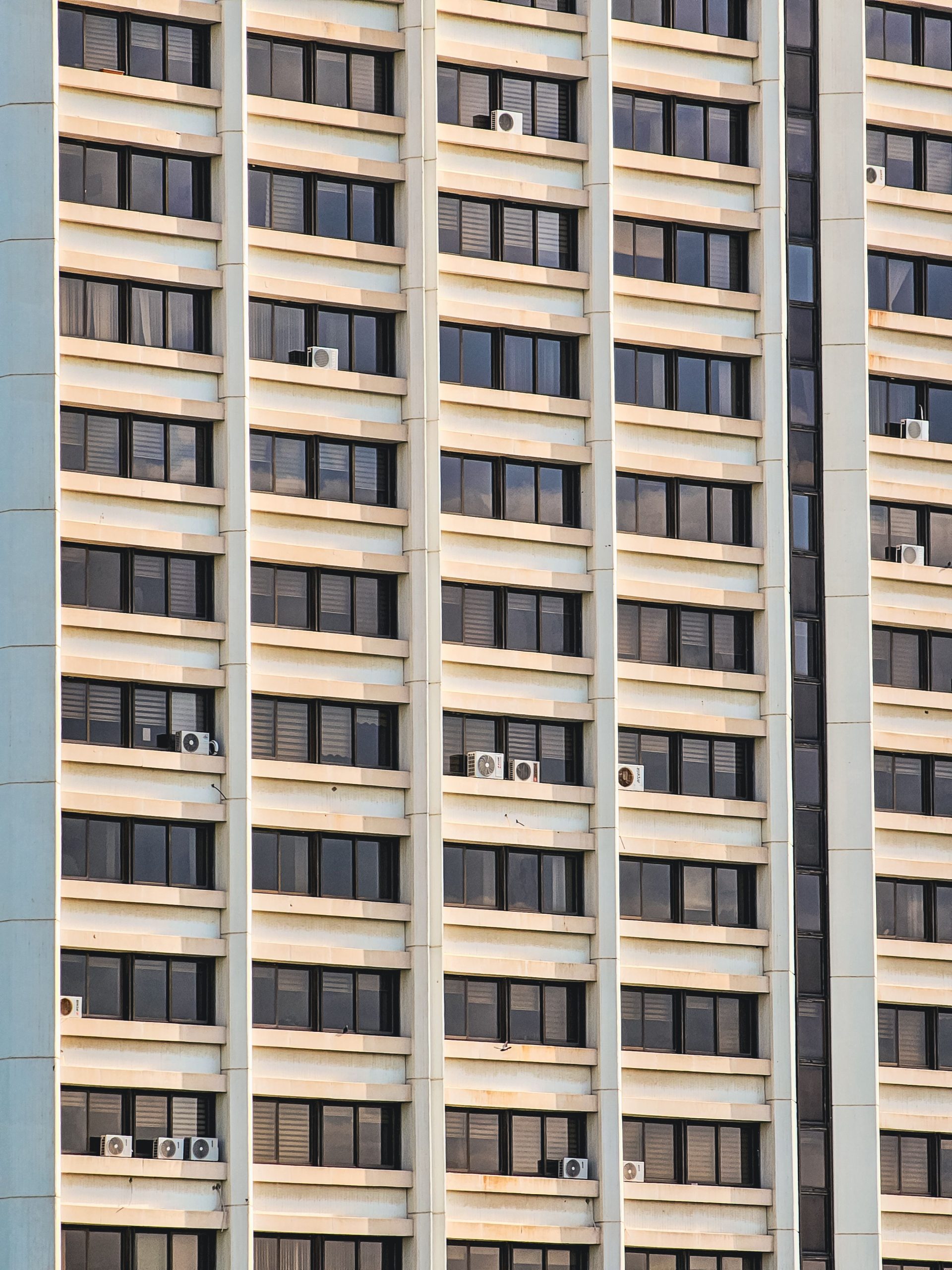
Understanding the Regulations and Realities of Installing Air Conditioning in London Flats
With the summer heat intensifying across London, many residents are considering the installation of air conditioning (AC) systems within their flats to improve comfort. For those living in leasehold properties, particularly in tower blocks or ex-council flats, navigating the legal and regulatory landscape can be complex. This article explores whether local authorities actively enforce regulations on AC installations and offers guidance based on common experiences.
Regulatory Considerations for Installing AC Units
In London, building regulations and planning permissions often govern modifications to residential properties. When installing a split AC unit, typically mounted on an external wall or window, residents must consider potential compliance issues. These include:
-
Planning Permission: In most cases, installing an air conditioning unit on an individual flat does not require planning permission, especially if the unit is situated on the rear or side elevation with limited visibility from public areas. However, visible units on prominent facades may require approval.
-
Listed or Preservation Areas: If the building is listed or located within a conservation area, additional considerations and permissions may be necessary to preserve aesthetic and historical features.
-
Leasehold and Covenants: Lease agreements may contain clauses restricting external modifications or additions that alter the building’s appearance.
Practical Experience and Enforcement Tendencies
Many residents ask whether local authorities actively monitor and enforce regulations concerning AC installations or if such concerns are overlooked due to resource constraints. The consensus from anecdotal evidence suggests:
-
Low-Profile Installations Often Go Unnoticed: Installing a split system with external units positioned discreetly—such as behind opaque balcony screens or on rear-facing walls—reduces visibility, decreasing the likelihood of detection and enforcement.
-
Limited Resources for Enforcement: Local councils generally prioritize enforcement actions related to more significant violations. Consequently, minor or inconspicuous installations may not attract immediate attention.
-
Reversion Risks: While authorities could theoretically request the removal of non-compliant units, in practice, if the installation aligns with permissible guidelines and is low-profile, residents are unlikely to face enforcement action.
Expert Recommendations
-
Consult Local Regulations: Before installing an AC system, review your local council’s guidelines and your lease agreement to ensure compliance.
-
Opt for Discreet Placement: Position external units out of public view, such as behind balcony screens or on less visible walls, to minimize potential issues.
-
Seek Permissions When Needed: If unsure, obtaining prior approval from relevant authorities or your managing agent can prevent future complications.
-
Consider Professional Installation: Engage qualified installers familiar with local regulations to ensure adherence and minimize enforcement risks.
Conclusion
While practical experience indicates that many residents manage to install air conditioning units discreetly without attracting attention, it is essential to understand and respect local regulations. When approached thoughtfully—taking into account building type, location, and lease conditions—installations can often be executed with minimal risk. For peace of mind, consult your local council and professional installers to navigate the process confidently.
If you’re contemplating AC installation in your flat, staying informed and adhering to guidelines can ensure your comfort without unnecessary complications.