

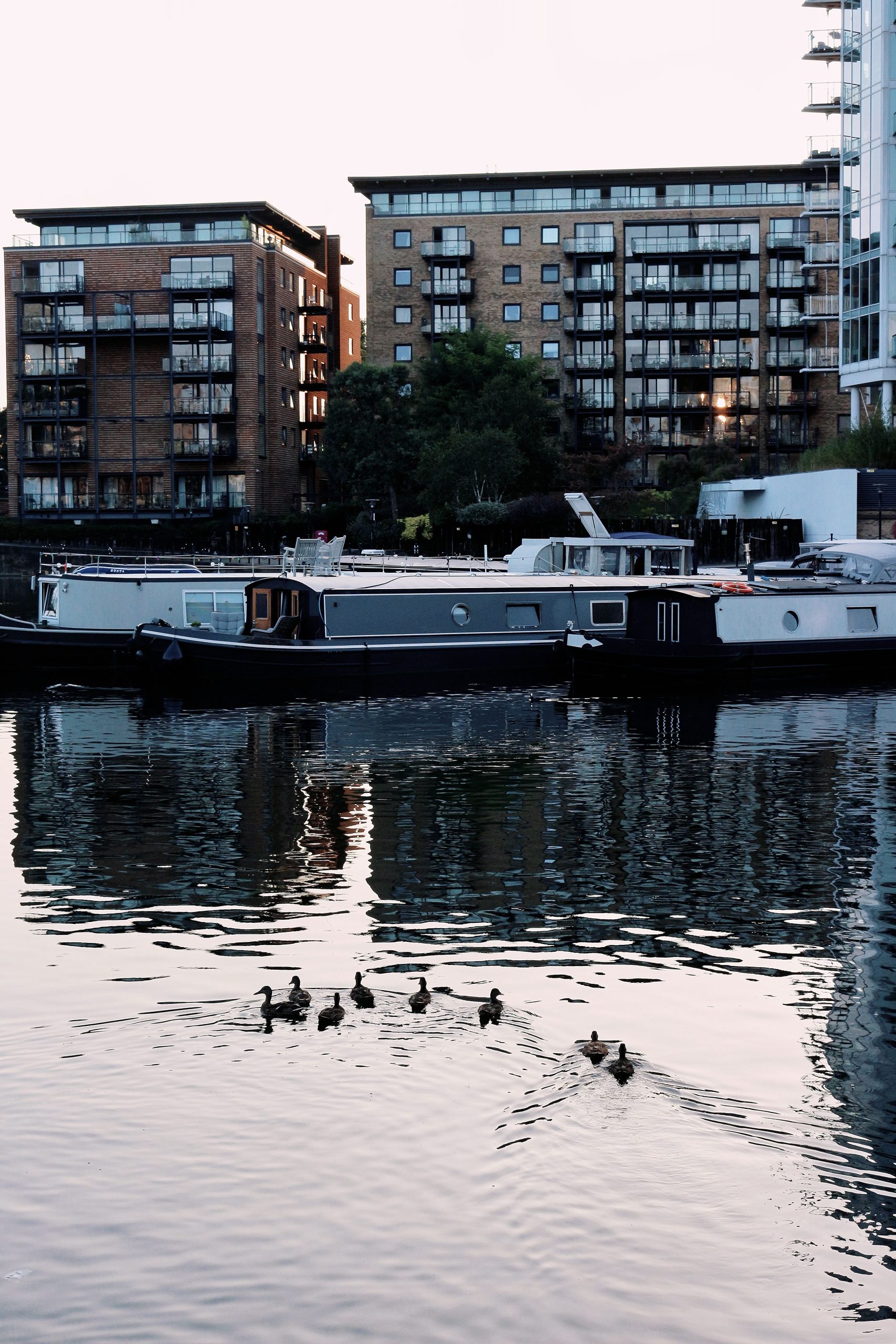
Understanding the Challenges: Why London’s Canals Aren’t Suitable for Swimming
In recent discussions across social media, there has been a rising call for allowing public swimming in London’s historic canal networks. Advocates suggest that opening up these waterways for recreational swimming could enhance urban life and provide new wellbeing opportunities. However, this idea faces significant practical, environmental, and safety challenges that make such a transformation highly unlikely in the near future.
This article explores the key reasons why London’s canals are not currently, and perhaps never will be, suitable for swimming, considering environmental contamination, logistical complexities, and ecological concerns.
Historical Pollution and Residual Toxins
London’s canals are remnants of industrial-era infrastructure, overlaid with decades of accumulated waste. The canal beds contain a range of toxic substances—including lead, mercury, cadmium, chromium, asbestos, cyanide, and arsenic—that have seeped into the sediment over two centuries. Authorities have chosen, for the most part, to leave these contaminants undisturbed to prevent catastrophic impacts on aquatic life. Excavating these sediments would pose significant environmental risks and would require complex, costly remediation work.
Limited Fresh Water Access
Fresh water is fundamental for safe and sustainable swimming environments. Notably, the Regent’s Canal relies solely on water sourced from other sections of the Grand Union Canal, which is itself fed from sources located at least 30 miles from central London. The River Lee Navigation’s freshwater inputs are also quite distant. With minimal natural influx of clean water, the water in many sections of London’s canals remains relatively stagnant—further complicating efforts to ensure water quality meets safety standards for swimming.
Stagnation from Lock Systems
The physical infrastructure of London’s canals influences water movement and stagnation. The presence of numerous locks—13 on the Regent’s Canal, 166 on the Grand Union, and 20 on the River Lee—creates barriers that hinder water circulation. While locks are necessary for navigation, they contribute to water retention and stagnation, leading to increased sediment build-up and poor water quality. Although water does pass through locks during opening and closing, these areas tend to be zones of low water flow, which exacerbates stagnation issues unsuitable for recreational swimming.
Regulatory and Pollution Challenges
In recent years, water pollution has become a national concern, with significant issues surrounding waste disposal and water quality management. Water companies are legally permitted to discharge treated wastewater into canals and rivers under specific regulations. However, this practice contributes to ongoing pollution, and stricter regulation and enforcement are necessary to improve water conditions for any future recreational use.
Waste Management and Pollution Sources from Boaters
London’s numerous boaters, operating primarily on narrowboats, often discharge waste water—including from sinks, showers, and toilets—directly into the canals. While many boaters endeavor to minimize pollution, enforcement and infrastructure deficits hinder comprehensive waste disposal solutions. Handling engine oils, urine, and other waste streams remains problematic, especially considering the cultural identity some boaters hold as independent or ‘outlaw’ operators, often resisting stringent regulation. Without dedicated waste facilities and effective management policies, contamination risks remain high.
Ecological and Wildlife Preservation
The diverse ecosystems inhabiting London’s canals and surrounding wildlife contribute significantly to urban nature and leisure. Introducing large numbers of swimmers could disturb bird nesting sites, disturb aquatic habitats, and threaten fragile species. Protecting this biodiversity necessitates maintaining water quality and habitat integrity, which is incompatible with swimming activities that could introduce pollutants or physical disturbance.
Physical Debris and Canal Bed Junk
Historical dumping and ongoing littering have contributed to large quantities of debris and waste accumulating on canal beds. Items such as old mattresses, car parts, household appliances, traffic cones, and bricks litter the canal floors. These pose navigation hazards for boats and would be dangerous and unpleasant for swimmers. Cleanup efforts have been carried out periodically, but the volume of detritus makes any potential swimming activity unsafe and unappealing.
Public Input and Behavioral Factors
Community members and visitors sometimes inadvertently (or intentionally) pollute the waterways by discarding waste, feeding wildlife, or engaging in recreational activities that contribute to pollution. Public awareness campaigns are ongoing, but managing and mitigating these behaviors is a continuous challenge.
Logistical and Political Coordination
Transforming London’s canals into safe swimming environments would require unprecedented coordination among multiple agencies: the Canal and River Trust, local councils, environmental agencies, and national government bodies. The Grand Union Canal and the River Lee Navigation span multiple administrative regions and jurisdictions, complicating efforts to implement uniform standards and infrastructure upgrades.
Financial Constraints and Prioritization
Both the Canal and River Trust and local authorities face financial pressures, with limited budgets allocated to maintenance, environmental remediation, and recreational infrastructure. Given these constraints, prioritizing improvements for swimming purposes—alongside existing responsibilities—remains unlikely without significant investment and strategic planning.
Conclusion
While the idea of swimming in London’s iconic canals might appeal as a novel urban experience, numerous scientific, environmental, and logistical barriers currently prevent it from becoming a reality. The contamination of sediments, water quality issues, ecological sensitivities, and infrastructural challenges all contribute to making canal swimming unsafe and impractical at this time.
As urban development and environmental awareness evolve, stakeholders continue to explore safe, sustainable ways to enjoy and utilize London’s waterways. For now, appreciating their historical and ecological significance remains the best way to enjoy these fascinating urban corridors.
Note: This analysis draws on a range of insights from local boaters, environmental reports, and infrastructural evaluations to provide a comprehensive understanding of the complexities involved.