

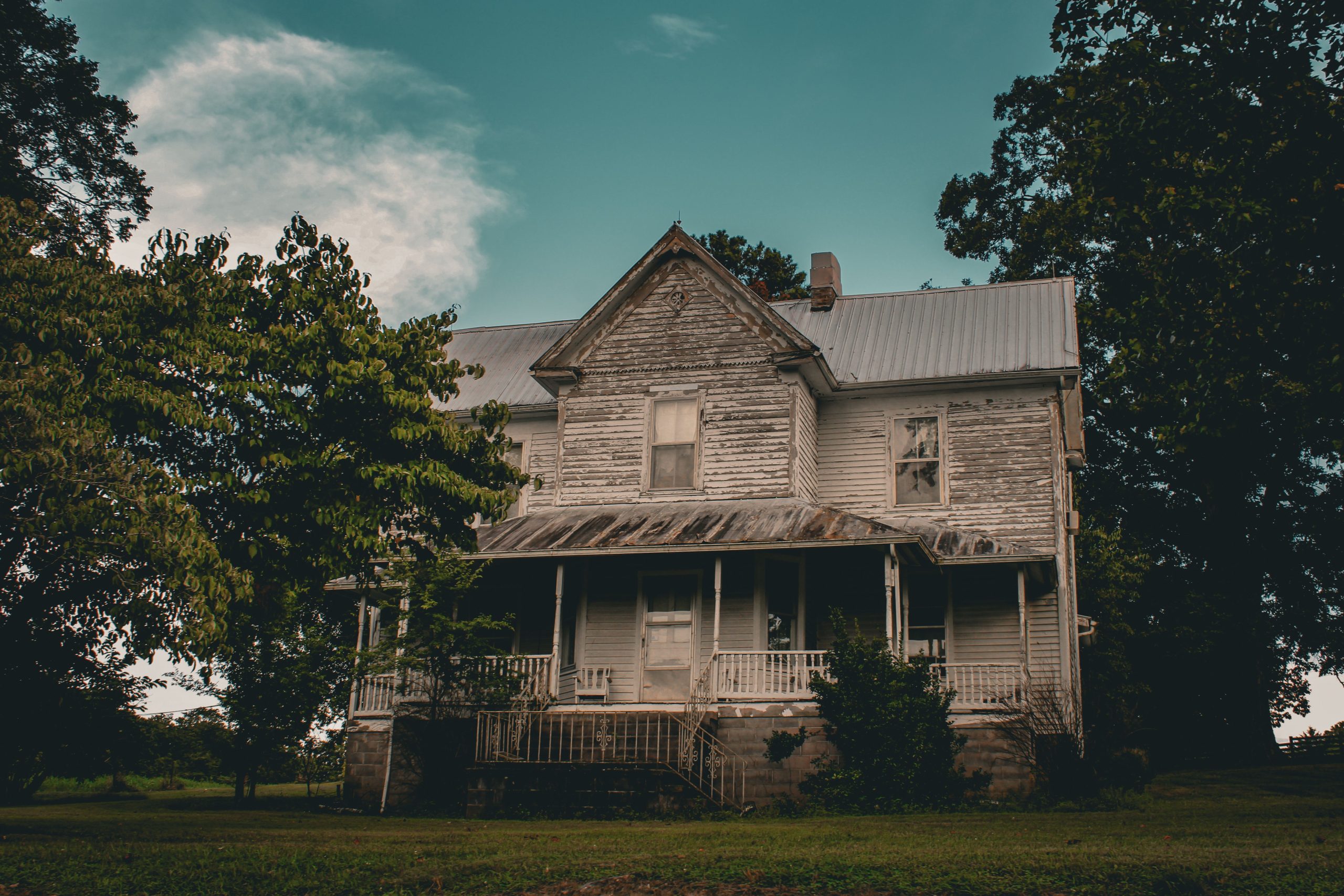
Unraveling the Mystery of an Unoccupied Prime London Property: An Investigation into Long-Term Abandonment and Hidden Ownership
In established residential neighborhoods across London, it’s not uncommon to see well-maintained properties that sit unoccupied for extended periods. However, a particular mystery has recently captured the curiosity of local residents and real estate enthusiasts alike: a high-value terraced house, valued at approximately £900,000 to £1 million, has remained uninhabited for over 15 years. This situation raises intriguing questions about ownership, purpose, and the underlying circumstances keeping the property dormant.
The Property Profile
Located just around the corner from a vibrant community, the house is part of a street characterized by 3- to 5-bedroom terraced homes commanding significant market value. Although the building underwent refurbishment roughly a decade ago, it has since been completely vacant. The property’s small, well-maintained garden and the appearance of ongoing maintenance—such as window coverings made of non-transparent plastic—suggest that it is kept in relatively good condition despite the lack of tenants or owners residing there.
The Owners’ Pattern of Presence
The property’s owners, believed to be a middle-aged couple, are seen visiting periodically—typically every few weeks. They usually arrive with minimal belongings, stay briefly—just a few hours—and then depart. Neighbors report that the couple appears to reside elsewhere locally, maintaining a friendly yet distant relationship with the surrounding community. No evidence suggests rental activity or attempts to sell or lease the property during all these years, fueling the mystery surrounding their intentions and the property’s standing.
Lingering Questions
This scenario raises several questions worthy of exploration:
- Ownership Structure: Could the property be held in a trust or via a corporate entity? Sometimes, high-value properties are owned by offshore companies or legal entities that obscure the true owners.
- Purpose of Vacancy: Is the property being held as a long-term investment, part of a portfolio, or perhaps reserved for future development or personal use that has been delayed?
- Legal and Regulatory Considerations: Are there legal reasons—such as probate issues, inheritance disputes, or planning restrictions—that prevent the property from being occupied or sold?
- Potential for Future Use: Might the owners be waiting for the right moment to sell or develop, or could there be hidden motivations unknown to neighbors and observers?
Broader Context
It’s not uncommon for wealthy property owners to keep assets in limbo for various reasons, including tax planning, inheritance management, or strategic investment. London’s property market, characterized by high demand and complex ownership structures, often features properties that sit vacant for years without clear explanations.
Conclusion
While the specifics of this property remain elusive, the situation underscores the importance of transparency in property ownership and the impact of long-term vacancies on local communities. Such scenarios call for detailed investigations by relevant authorities to ensure compliance with regulations and to foster community trust.
If others have encountered similar cases or possess insights into the potential reasons behind such prolonged unoccupancy, sharing experiences can contribute to a broader understanding of property management and ownership dynamics in London’s housing market.