

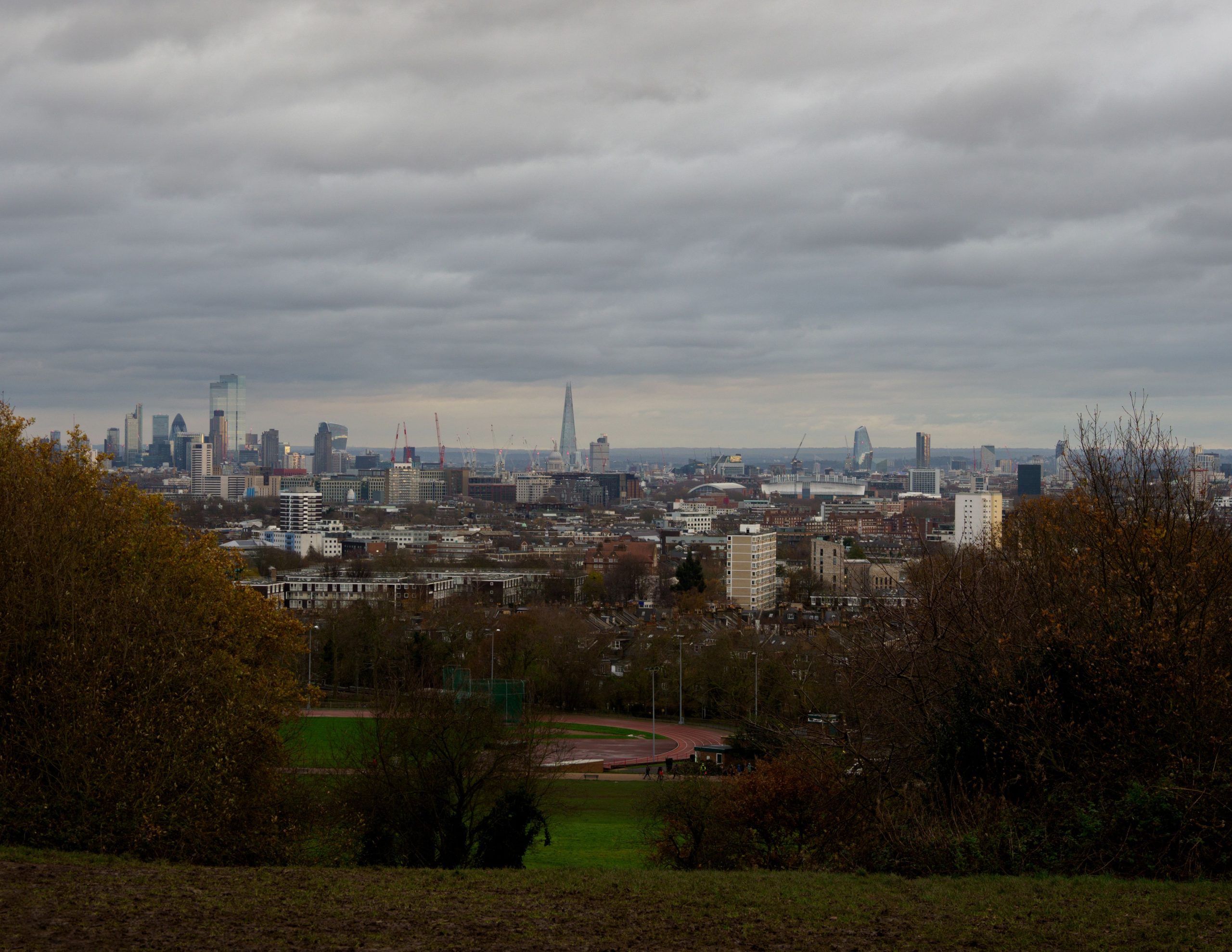
Analyzing London’s Urban Evolution Over the Past Decade: A Neighborhood Spotlight
London, a city renowned for its rich history and diverse neighborhoods, has experienced significant transformations over the past ten years. These changes reflect broader economic, social, and infrastructural shifts, impacting the character and perception of various districts. This article examines how different areas within London have evolved—identifying those that have markedly improved, those that have faced challenges, and the overall patterns shaping the city’s landscape today.
Transformations in West London
West London has historically been associated with affluence and vibrant community life. However, recent observations suggest a shift in some areas toward a more commercialized, high-street environment coupled with rising crime rates. Neighborhoods such as Shepherd’s Bush, Acton, Ealing, Hammersmith, West Kensington, and Harrow-on-the-Hill, once celebrated for their unique charm and vibrant local culture, have experienced notable downturns. While pockets like Chiswick and Pinner continue to maintain their appeal, surrounding districts that once thrived now face challenges, with increased safety concerns and declining community vitality. Notably, Ealing and Harrow have seen remarkable changes; areas that once felt welcoming now grapple with issues such as harassment and safety at key transport hubs like Ealing Broadway and Harrow-on-the-Hill stations.
Preservation of Charm in South-West London
Conversely, much of South-West London has managed to retain its distinctive charm and appeal. Neighborhoods such as Richmond, Twickenham, Kew, Barnes, and Wimbledon continue to be highly desirable and largely unaffected by the more dramatic shifts seen elsewhere. These districts exemplify stability and sustained quality of life, making them some of London’s most attractive locales for residents and visitors alike. The preservation of their character underscores the resilience of certain communities amidst the city’s ongoing evolution.
Emerging and Developing Areas in South-East London
South-East London has demonstrated notable positive change over the past decade. Previously considered less desirable, many neighborhoods have undergone gentrification and development, transforming into trendy, more affluent enclaves. Areas like Greenwich, Blackheath, Herne Hill, and Dulwich have seen improvements that have bolstered their appeal without sacrificing their intrinsic charm. Additionally, neighborhoods formerly regarded as less safe or undesirable—such as Deptford, Peckham, Brixton, Woolwich, North Greenwich, and Lewisham—have become increasingly popular, attracting a diverse population and fostering vibrant community atmospheres. While challenges remain in some pockets, the overall trend points to significant revitalization.
Shifts in East and North London
East and North London have experienced a nuanced transformation. Iconic districts such as Shoreditch, Camden, Hampstead, and Islington (particularly the Angel area) have seen their identities evolve. While they haven’t necessarily declined, these areas have arguably lost some of their original ‘soul’—their grit, authenticity, and unique character have given way to commercialization, upscale developments, and increased tourism. This has led to debates around preservation versus modern development, with some residents feeling that their neighborhoods have become shells of their former selves.
Conclusion
London’s dynamic urban landscape continues to evolve, influenced by economic growth, demographic shifts, and infrastructural investments. While some areas have flourished and maintained their charm, others have faced decline or significant change. Understanding these patterns offers valuable insights into the city’s ongoing story—highlighting the importance of balanced development, community preservation, and sustainable growth. As London moves forward, its neighborhoods will undoubtedly continue to transform, reflecting the diverse narratives that define this world-renowned metropolis.