

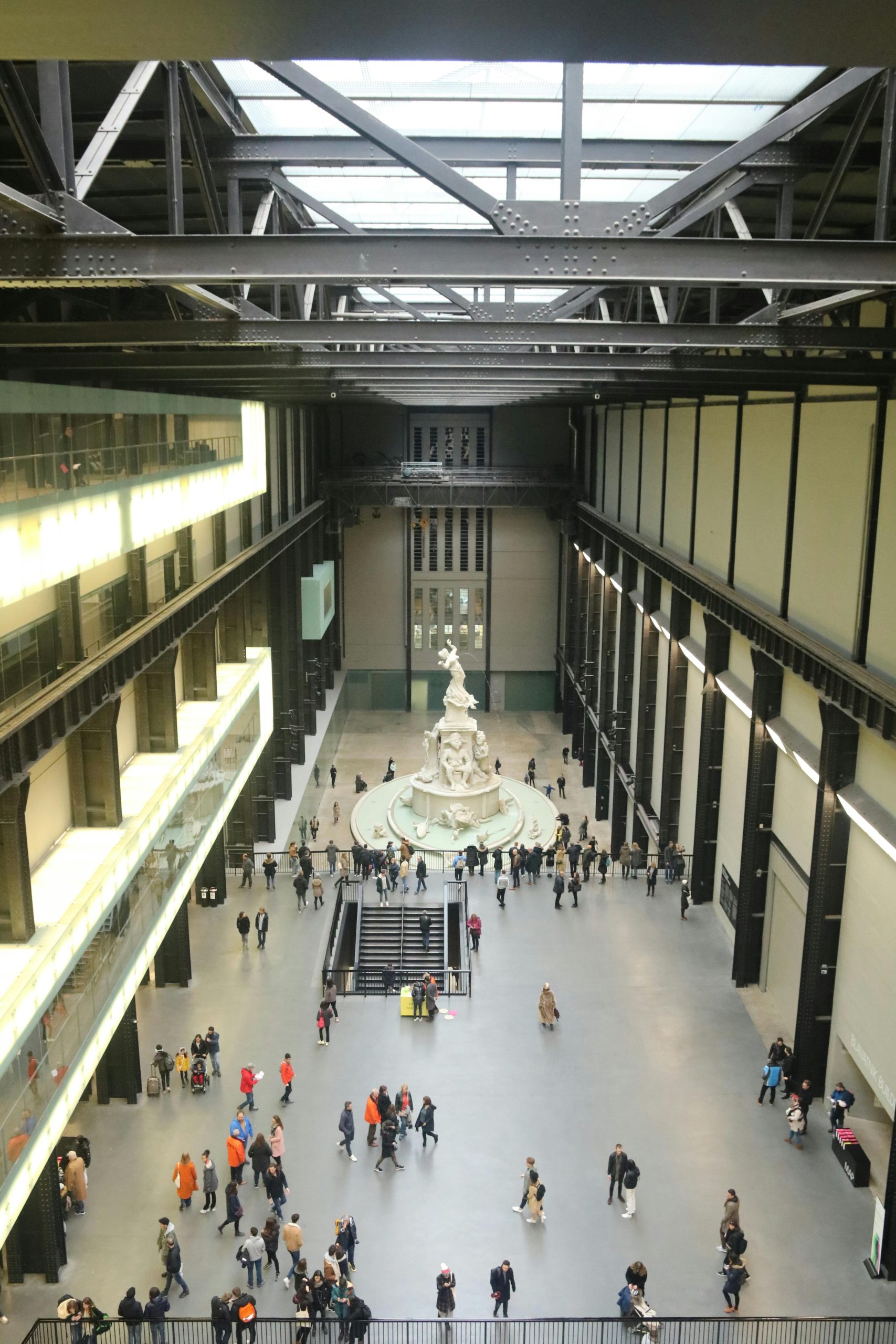
Unexpected Artwork at Tate Britain Sparks Curiosity: Unraveling the Mystery of the AI-Generated Piece
During a visit to Tate Britain this past Thursday morning, an intriguing discovery captured my attention—a small, seemingly out-of-place framed artwork adorning one of the gallery walls. Unlike the other information panels, this piece featured a QR code alongside it, inviting viewers to explore further. Scanning the code led to an unexpected online destination: https://eliasmarrow.com/#found.
The artwork itself was striking—a digital creation depicting a figure resembling King Henry VIII, accompanied by a vomiting rat against a backdrop of deforestation. It was clearly AI-generated, blending provocative imagery that elicited both amusement and perplexity. Despite its unconventional nature, the piece was presented with a formal label, akin to traditional gallery works, which added to the overall mystique. Interestingly, several visitors paused, took photos and videos, treating it as a regular exhibit, while others simply walked past.
Later that day, I revisited the spot, only to find the artwork had been removed. Curious and slightly bewildered, I inquired at the gallery desk. To my surprise, staff members were unaware of any such piece being displayed, heightening the mystery surrounding its appearance and disappearance.
This incident raises questions about the nature of contemporary art, digital interventions, and potential hidden projects within public institutions. Could this have been an unofficial installation, a provocative stunt in the style of Banksy, or perhaps an art piece designed to challenge perceptions of curation and authenticity? The artist’s website, which appears to be involved in the creation, suggests an experimental approach, possibly blending digital and physical art forms.
While it’s tempting to speculate about its origins—especially considering the prevalence of AI art and digital activism—the true story remains elusive. Has anyone else encountered this piece at Tate Britain, or does anyone have insights into its meaning and purpose beyond what is available online?
This unexpected event highlights how technology continues to reshape the landscape of contemporary art, blurring the lines between the official and the subversive, inviting audiences to question what constitutes art in the digital age.
Image source: [Link to the photograph, if permissible]
For further discussion or insights, please share your thoughts in the comments below.