

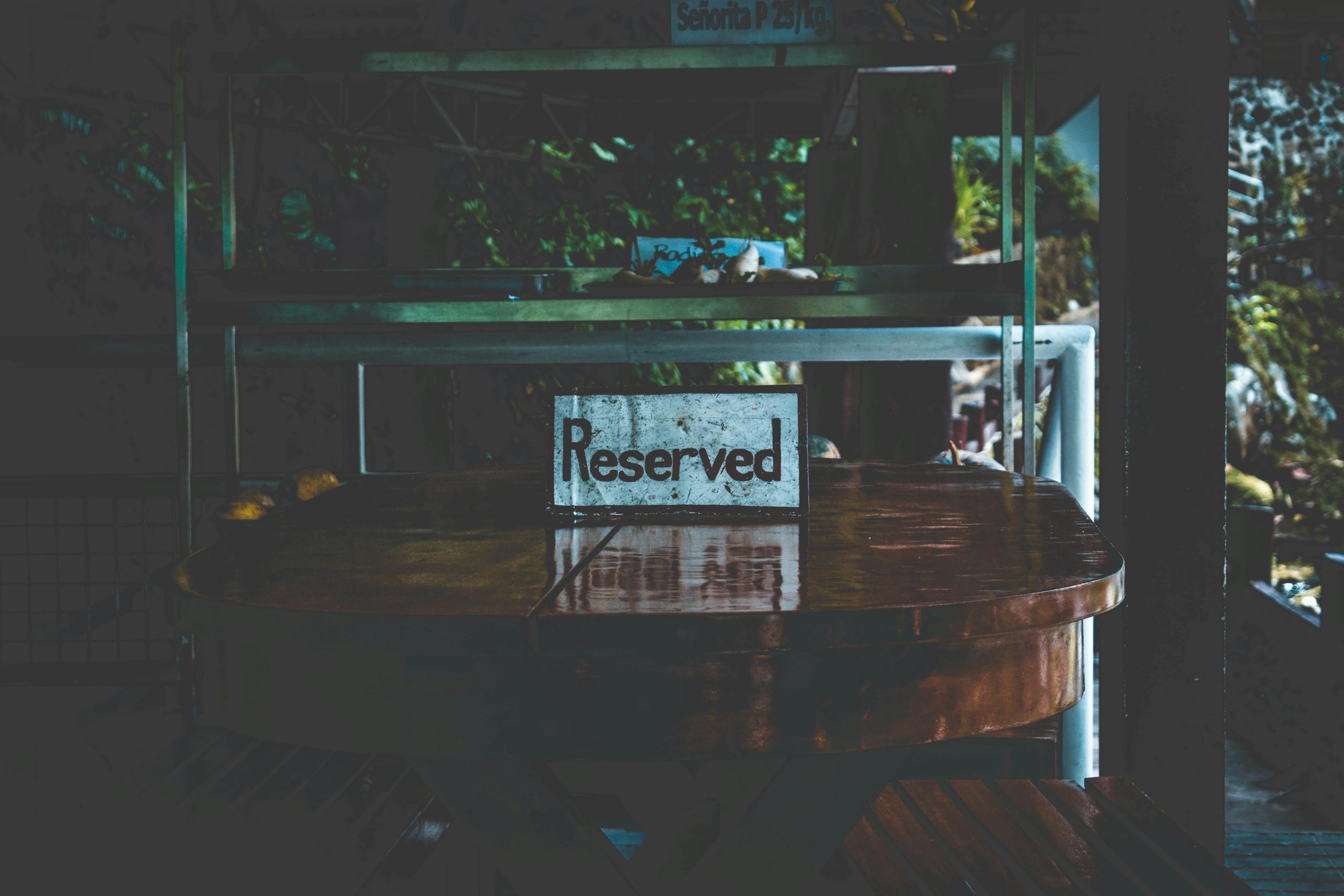
Reserving Tables in Pubs: Cultural Norms or Unnecessary Controversy?
In recent discussions circulating on social media, the practice of reserving tables in public houses has sparked some debate. A particular tweet highlighted an observation from Hackney—a popular, trendy area—where on a Friday night, many pub tables remained unoccupied despite being marked as reserved for specific patrons arriving at a set time. The tweet also cheekily referenced the local yuppie culture, adding a humorous critique of the scene.
The reactions to this post were largely dismissive or amused, with many questioning whether reserving tables at a pub is truly a contentious issue. This reflection prompted a broader inquiry: Is table reservation in pubs a significant problem, or is it simply an accepted aspect of modern pub culture?
Personal Experience and Observations
For many, the act of reserving a table in a pub might seem trivial. The typical outing often involves finding a seat, choosing a beverage, and enjoying the atmosphere—regardless of whether the table is reserved. From personal experience, the inconvenience is minimal, unless the pub is particularly crowded or space-constrained. In bustling city centers like London’s West End, reservation practices are commonplace, and often an accepted part of the social scene.
Understanding the Norms and Etiquette
Most pubs, especially those in urban areas, do allow or even encourage table reservations, particularly during busy periods or in establishments with limited seating. These practices help manage capacity and ensure that groups can secure a spot in advance. Conversely, older or traditional pubs—often those regarded as more “authentic” or unpretentious—may operate on a first-come, first-served basis, viewing reservations as unnecessary or even inappropriate.
Is It a Big Deal?
The core of the debate hinges on etiquette and cultural expectations. Is reserving a table in a pub considered rude or elitist? Or is it a pragmatic approach to navigating crowded venues? In many modern settings, especially in commercial or upscale pubs, reservations are encouraged or expected. In contrast, traditional or community-focused pubs may discourage reservations to foster a more egalitarian atmosphere.
Conclusion
Whether reserving tables in pubs is a cause for concern largely depends on context, location, and personal perspective. For patrons and pub owners alike, understanding the norms and expectations—along with respectful behavior—is key. As the landscape of social drinking continues to evolve, so too will the etiquette surrounding reservation practices.
Final thoughts:
Is reserving a table at a pub a minor convenience or a symbol of exclusivity? In the end, it’s a nuanced issue where practicality and tradition intersect. Recognizing these social norms can enhance everyone’s experience, ensuring clarity and mutual respect in lively pub environments.