

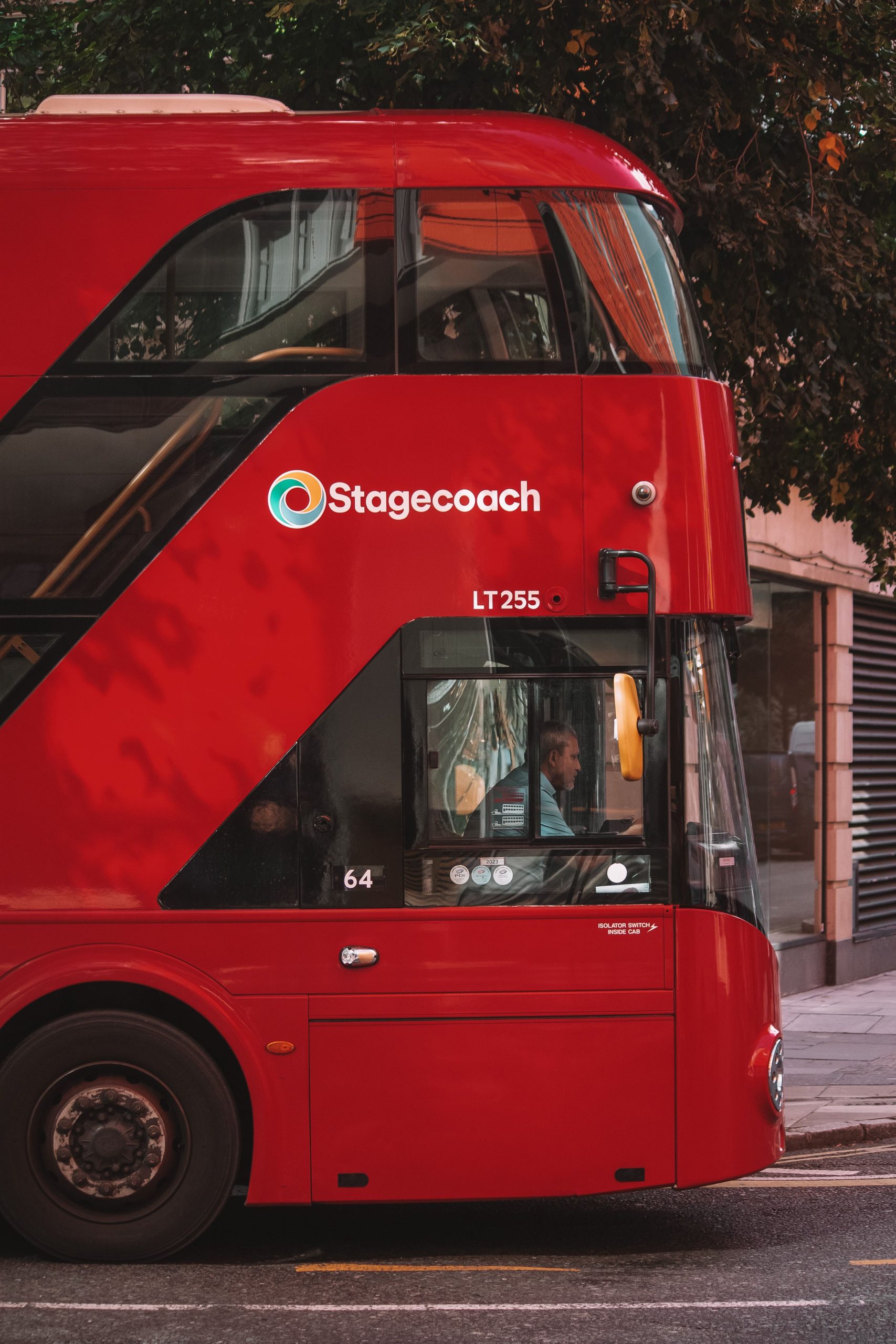
London City Hall Endorses ‘Bill of Rights’ for Bus Drivers Amid Rising Heatwave Concerns
In a unanimous decision, all 21 members of London’s City Hall assembly have expressed strong support for the introduction of a comprehensive “Bill of Rights” aimed at safeguarding the welfare and safety of London’s bus drivers. This motion, proposed during a recent assembly meeting, underscores a collective commitment to improving working conditions for those who keep the capital moving, particularly in the face of increasingly severe heatwave conditions.
A Call for Enhanced Protections and Support for Bus Drivers
The motion, introduced by Reform UK Assembly Member Keith Prince, outlines a dozen fundamental principles designed to address longstanding concerns within the bus operating sector. Key proposals include:
- Guaranteed access to toilets on all bus routes.
- Scheduled rest breaks to prevent fatigue.
- Prohibition of forced overtime.
- The right for drivers to report safety concerns without fear of retaliation.
- Installation and maintenance of effective air-cooling and heating systems within buses.
These measures seek to ensure that drivers are not only protected on safety and comfort grounds but are also empowered to voice concerns without jeopardizing their employment.
London’s Response to Extreme Temperatures
The heatwave experienced last month brought unprecedented challenges to the city’s bus drivers. Temperatures allegedly soared up to 50°C within bus cabs, creating hazardous working conditions. Reports indicated that many drivers had to operate their vehicles with malfunctioning air-conditioning systems, further aggravating risk levels.
In response, London’s Mayor Sir Sadiq Khan assured drivers of increased support. He publicly stated that drivers should feel empowered to refrain from operating excessively hot buses without fear of penalties, emphasizing the importance of safety above punctuality.
Union and Industry Perspectives
Unite the Union has been vocal in criticizing certain operators, notably Arriva London, for allegedly prioritizing profits at the expense of driver welfare. The union accuses these companies of failing to invest adequately in cooling technology and infrastructure improvements that could mitigate the risks posed by extreme temperatures.
Keith Prince highlighted the troubling realities faced by many drivers, stating, “We have seen drivers having to drive with their shirts off, and some don’t have anywhere to go to the loo. This situation is unacceptable.” He emphasized that although maintaining punctual services is important, it should never come at the cost of driver safety and well-being.
Transport for London’s Commitment to Worker Welfare
Transport for London (TfL) has acknowledged these concerns and has taken steps such as suspending bus performance penalties during heatwaves to prevent drivers from being unfairly penalized for delays caused by extreme weather. Lorna Murphy, TfL’s Director of Buses, reaffirmed the organization’s dedication to safety and welfare, noting ongoing collaboration with bus operators and unions to improve working conditions, vehicle standards, and access to facilities.
Industry Challenges and Technological Limitations
While operators like Arriva have asserted that their buses are fitted with advanced cooling systems, industry experts acknowledge that retrofitting older fleets remains a challenge due to technological and logistical constraints. Arriva’s spokesperson affirmed their commitment to working with manufacturers to improve vehicle safety and comfort.
A Wider Movement: The ‘Bus Driver Bill of Rights’
The industry’s push for better working conditions has gained momentum, with a petition titled “Bus Driver Bill of Rights” submitted earlier this year by Caroline Russell, leader of the Green Party’s London Assembly group. She highlighted the dangers posed by extreme heat, citing an incident in Paris where a driver was incapacitated due to heat exhaustion—a stark reminder of the risks faced by London drivers.
The issue currently extends beyond advocacy, as nearly 2,000 bus drivers across multiple depots in North and East London are being balloted on strike action. The ballot, which opened on July 1st and concludes on July 29th, reflects mounting frustration over the unbearable working conditions during the ongoing heatwave.
Unite the Union has warned that potential strike action could lead to significant disruptions, including delays and cancellations, underscoring the urgent need for comprehensive solutions.
Conclusion
The London City Hall’s endorsement of a ‘Bill of Rights’ for bus drivers mark a pivotal step toward prioritizing worker safety amid increasingly challenging climate conditions. As temperatures continue to rise, industry leaders, policymakers, and unions must collaborate to implement effective measures—both technological and procedural—that protect those who serve as the backbone of the city’s public transportation system.
Protecting bus drivers from extreme heat is not just about comfort; it’s a matter of safety, dignity, and public responsibility. The ongoing discussions and actions taken today will shape the future of work in London’s public transport sector for years to come.