

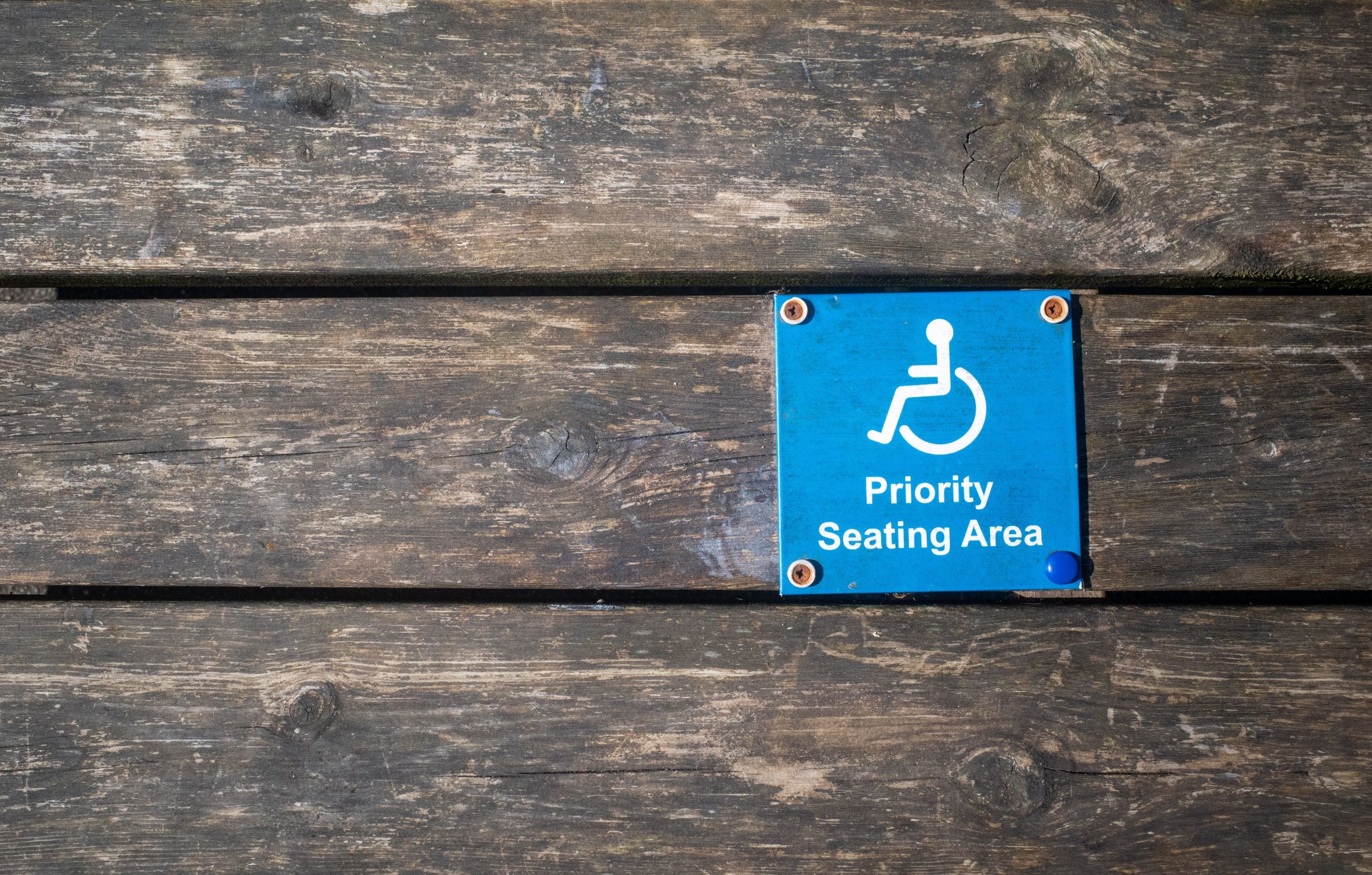
Understanding Priority Spaces on Public Transit: Why Wheelchair Users’ Rights Matter
Public transportation systems are designed to serve diverse audiences, including wheelchair users and families traveling with buggies. While this inclusivity is vital, it’s important to recognize the specific priority rights allotted to wheelchair users—rights that are often misunderstood or overlooked.
As a full-time wheelchair user with over 14 years of experience living in London, I’ve encountered frequent challenges when attempting to board buses. A recurring issue is the obstruction of designated wheelchair spaces by buggies, which hampers my ability to travel comfortably and safely. This situation underscores the significance of understanding and respecting established priorities within public transport systems.
The Case for Wheelchair Priority Spaces
-
Prevalence and Accessibility Concerns
Statistics reveal that there are considerably more buggies than wheelchairs. Consequently, there’s a high likelihood that the next bus will also feature buggies occupying wheelchair spaces. If priority were not enforced, wheelchair users might face prolonged waits, sometimes requiring several buses to pass before a suitable space becomes available. Such delays can make essential travel impractical. -
Lifelong Necessity
Many wheelchair users rely on their mobility devices full-time, often for their entire lives. Unlike parents who temporarily use buggies during a specific period, wheelchair users depend on these spaces permanently. Recognizing this distinction highlights the importance of prioritizing their access. -
Folding and Non-Folding Devices
While buggies can often be folded to accommodate others, wheelchairs are generally not foldable or portable in the same manner. This physical rigidity makes dedicated spaces essential for accessible travel. -
Limited Alternatives
For some wheelchair users, alternative transportation options are limited or non-existent. In many cities, accessible routes like step-free stations are miles away, making buses a critical means of travel. Ensuring unobstructed access to wheelchair spaces is therefore crucial. -
Historical Advocacy and Rights
The accessibility features we see today result from tireless campaigns by disabled activists advocating for equitable transportation rights. Recognizing and respecting these spaces is not merely a courtesy but a matter of fulfilling a legal and moral obligation—honoring the efforts that have shaped inclusive transit.
Promoting Respect and Understanding
Despite best intentions, conflicts over space on public buses can occur. I strive to remain calm and polite, but sometimes others are uncooperative or dismissive of these priorities. Such encounters can be emotionally taxing, but it’s vital for all travelers to understand their responsibilities.
A Call to Action
If you’re traveling with a buggy and see a wheelchair user needing access to a designated space, please consider folding your buggy or vacating the area. Small acts of consideration can significantly improve accessibility and ensure that everyone can travel safely and comfortably.
Conclusion
Priority spaces on buses are there to uphold the rights of some of our most vulnerable community members. By understanding and respecting these provisions, we help foster an inclusive transportation environment—one where mobility is accessible to all.